- Israfan
- Posts
- Bat Yam Proposes Artificial Island to Transform Coastline
Bat Yam Proposes Artificial Island to Transform Coastline
Coastal city eyes $30 billion Dubai-style island as a bold solution to urban expansion limits.
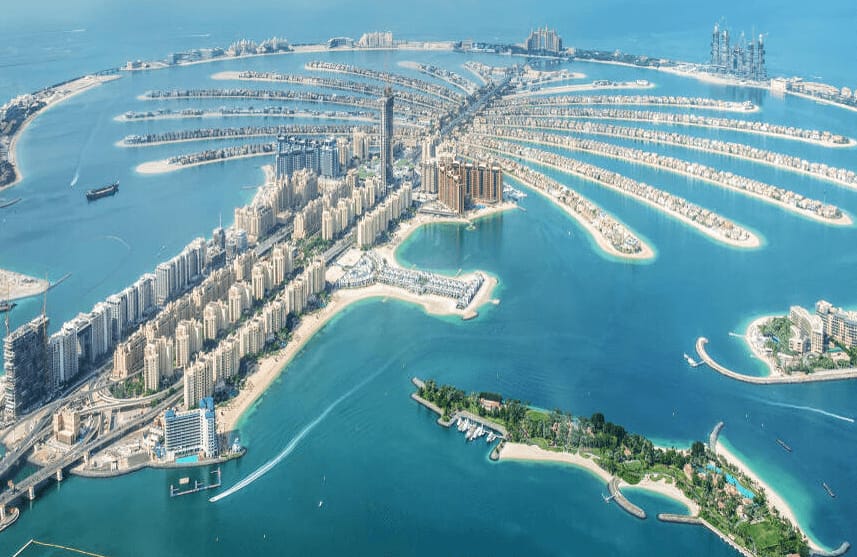
In a move that could dramatically reshape Israel’s Mediterranean coastline, the city of Bat Yam has unveiled plans for a massive artificial island development, inspired by the world-famous offshore projects of Dubai. The proposed island, to be built about a kilometer from shore, would stretch 1.5 kilometers in length and be connected to the mainland via a bridge.
City officials are framing the project as a visionary yet practical solution to Bat Yam’s geographic constraints. “Bat Yam is trapped between Tel Aviv, Holon and Rishon LeZion. We have nowhere to expand,” said Mayor Tzvika Brot. “The only options are to grow upward or to build into the sea.”
The artificial island would include residential towers, commercial districts, and office spaces, with the development handled under a private-sector build-operate-transfer model. Initial estimates place the cost of the island itself at around $13 billion, with full development reaching upwards of $30 billion. For a city with an annual municipal budget of approximately 1.3 billion shekels, the contrast is stark but city leaders are betting on high returns and long-term transformation.
While the concept has drawn comparisons to Dubai’s man-made Palm Islands, Brot emphasizes the island is not just about glitz. With land availability exhausted and housing demand surging, he sees it as a necessary leap forward. “If I wait for the government, it won’t happen,” he noted, indicating that preliminary discussions with national officials are already underway.
Yet the proposal enters a charged national debate over the viability of offshore construction in Israel’s storm-prone Mediterranean waters. Previous government assessments on artificial islands for aviation purposes highlighted complex engineering challenges, especially during powerful winter storms. Environmental experts have raised concerns as well, warning that disrupting the natural sand flow could accelerate beach erosion and compromise coastal ecosystems.
“The Bat Yam Municipality is acting as if there is no climate crisis and Mediterranean storms do not exist,” said the Israel Union for Environmental Defense. The group also cautioned against potential blocked sea views, environmental degradation, and massive public financial burdens.
Despite the pushback, Bat Yam’s leadership remains committed to advancing the proposal, even in the absence of formal government approval. With a focus on attracting international investors and top-tier developers, city officials see the artificial island not just as a showpiece, but as a potential engine of growth that could elevate Bat Yam’s status on the global stage.
Israel’s coastal cities have long been at the heart of the nation’s economic and cultural life. Bat Yam’s bold move may soon test how far the country is willing to go in reimagining its urban future on land and sea.
Support Israeli innovation by sharing this article and subscribe to our newsletter for more updates on Israel’s boldest ideas and developments.