- Israfan
- Posts
- Bomb Shelters Remain a Peril for Israel's Disabled
Bomb Shelters Remain a Peril for Israel's Disabled
Accessibility challenges turn life-saving havens into hazardous obstacles for Israelis with disabilities during rocket attacks.
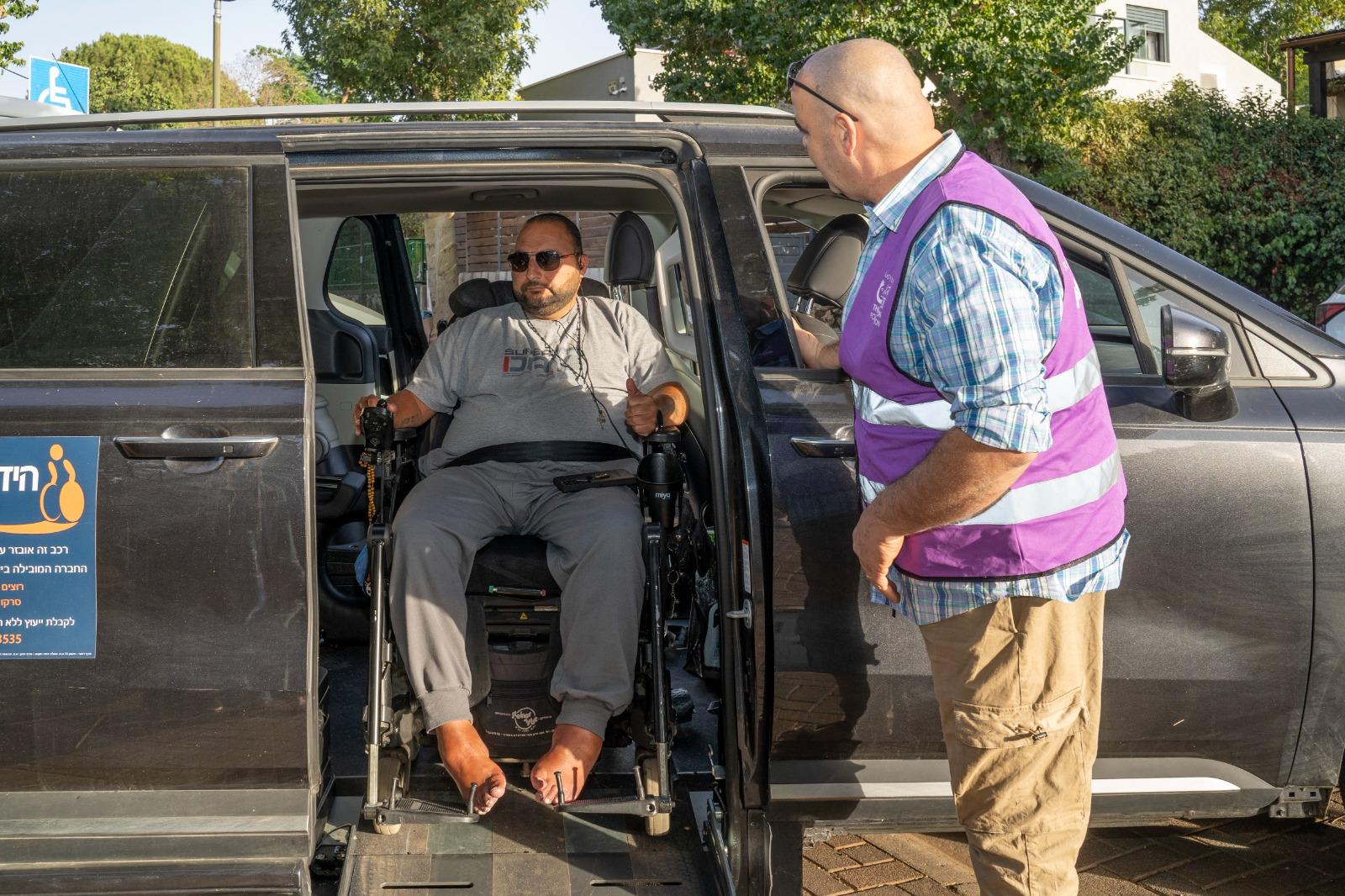
A Race Against Time, Hampered by Barriers
The piercing wail of the siren is a sound no Israeli wants to hear. It’s a stark reminder of the ever-present threat of rocket fire, a signal to immediately seek shelter. For most, this means a frantic dash to a reinforced room, a public bomb shelter, or the nearest stairwell. But for Israelis with disabilities, the simple act of reaching safety can become a perilous ordeal, a desperate gamble against the clock.
While much of the world sees the Iron Dome as Israel's primary defense, the reality is that personal responsibility for seeking shelter remains paramount. The few minutes, sometimes just seconds, between the siren and the impact can mean the difference between life and death. This is why accessibility to shelters is not just a matter of convenience, but a fundamental issue of safety and equality.
The challenges are multifaceted. Physical impairments, vision loss, hearing loss, and cognitive disabilities each present unique obstacles. A flight of stairs that a person without disabilities can quickly navigate becomes an insurmountable barrier for someone using a wheelchair. A person with impaired vision may struggle to find their way in the chaotic rush to a shelter, especially if lighting is inadequate or non-existent. Individuals with hearing loss may not even hear the siren, relying on visual cues or the assistance of others, which may not always be available.
“We’re playing Russian roulette”
The words are chilling, spoken by an advocate for disabled Israelis, encapsulating the terrifying reality many face. "We're playing Russian roulette," they explained. For those who struggle with mobility, the time it takes to navigate inaccessible routes to shelters can be agonizingly slow, stretching seconds into an eternity of fear and uncertainty. The feeling of vulnerability is amplified by the knowledge that their safety is compromised not by the rockets themselves, but by the lack of adequate infrastructure.
Consider the experience of someone who relies on a walker or cane. Negotiating uneven terrain, crowded streets, or narrow doorways can be arduous under normal circumstances. Add the urgency of a rocket alert, the panic of fleeing crowds, and the potential for physical injury increases exponentially. Similarly, individuals with cognitive disabilities may experience heightened anxiety and confusion during emergencies, making it difficult for them to follow instructions or navigate unfamiliar surroundings.
A 2021 study by the Ruderman Family Foundation found that only 35% of public bomb shelters in Israel are fully accessible to people with disabilities. This means that a significant portion of the population is effectively excluded from accessing a potentially life-saving resource. Furthermore, even shelters that are technically considered "accessible" may still present challenges. A ramp that is too steep, a door that is too heavy, or a lack of accessible restrooms can render a shelter unusable for many individuals.
Beyond Physical Accessibility: Addressing Sensory and Cognitive Needs
The issue of accessibility extends beyond physical barriers. Sensory overload can be a significant challenge for individuals with autism or sensory processing disorders. The loud noise of the siren, the flashing lights of emergency vehicles, and the general chaos of an emergency situation can be overwhelming and disorienting. Shelters should ideally provide designated quiet areas where individuals can retreat and regulate their sensory input.
Communication is also crucial. Emergency information should be available in multiple formats, including visual aids, sign language interpretation, and simple, easy-to-understand language. This is particularly important for individuals with hearing loss, cognitive disabilities, or language barriers. Training emergency personnel to effectively communicate with people with disabilities is also essential.
The psychological impact of these challenges cannot be overstated. The constant fear of being unable to reach safety during a rocket attack can lead to chronic anxiety, depression, and post-traumatic stress disorder. It can also erode a person's sense of independence and self-reliance. Addressing the mental health needs of Israelis with disabilities is therefore an integral part of ensuring their overall well-being.
Legal Framework and Enforcement Gaps
Israel has made strides in enacting legislation to protect the rights of people with disabilities. The Law on Equal Rights for People with Disabilities mandates accessibility in various areas, including public buildings and services. However, the enforcement of these laws remains a challenge. Many older buildings have yet to be retrofitted to meet accessibility standards, and there is often a lack of oversight and accountability to ensure that new construction projects comply with regulations.
A report by the State Comptroller highlighted significant shortcomings in the implementation of accessibility standards in bomb shelters. The report found that many shelters lacked basic features such as ramps, accessible restrooms, and adequate lighting. It also noted a lack of coordination between government agencies responsible for ensuring accessibility. The report called for urgent action to address these deficiencies and ensure that all Israelis have equal access to safety.
One of the key challenges is the cost of retrofitting existing shelters to meet accessibility standards. Many municipalities lack the financial resources to undertake these projects, and there is a need for greater government funding and support. In addition, there is a need for increased public awareness and education to promote a culture of accessibility and inclusion.
Technological Solutions and Innovative Approaches
Technology can play a vital role in enhancing the accessibility of bomb shelters. Mobile apps can provide real-time alerts tailored to individual needs, such as visual notifications for people with hearing loss or audio descriptions for people with vision loss. GPS-based navigation systems can guide people with disabilities to the nearest accessible shelter, taking into account their specific mobility limitations.
Furthermore, some communities have implemented innovative approaches to address the challenges of accessibility. In some neighborhoods, residents have formed volunteer groups to assist people with disabilities in reaching shelters during emergencies. These groups provide assistance with transportation, navigation, and communication. Other communities have established designated "buddy systems" where neighbors are paired up to support each other during times of crisis.
One promising initiative is the development of portable, lightweight ramps that can be quickly deployed to make shelters accessible. These ramps are designed to be easy to install and remove, and they can be adapted to fit a variety of doorframes and thresholds. Another innovative approach is the use of inflatable shelters that can be rapidly deployed in areas where permanent shelters are not available. These shelters are designed to be accessible to people with disabilities and can provide a safe haven during emergencies.
Looking Ahead: A Call for Urgent Action
The situation is unacceptable. The lives of Israelis with disabilities are being put at risk due to a lack of accessibility to bomb shelters. It is imperative that the government, municipalities, and community organizations work together to address this issue with urgency and determination. This requires a multi-pronged approach that includes:
- Increased funding for retrofitting existing shelters and building new accessible shelters.
- Strengthening enforcement of accessibility laws and regulations.
- Promoting public awareness and education about the needs of people with disabilities.
- Developing and implementing technological solutions to enhance accessibility.
- Fostering community-based initiatives to support people with disabilities during emergencies.
It's worth noting that according to the Israel National Emergency Management Authority (NEMA), only 42% of Israelis have access to a standardized public bomb shelter within the recommended timeframe. This figure underscores the widespread need for improved shelter infrastructure across the board, but the disparity is even more pronounced for the disabled community.
Furthermore, data from the Ministry of Welfare and Social Affairs indicates that approximately 19% of the Israeli population lives with some form of disability. That's nearly one in five Israelis who face amplified risks during rocket attacks due to accessibility challenges.
The time for talk is over. The time for action is now. Israel must ensure that all of its citizens, regardless of their abilities, have equal access to safety and security. The lives of Israelis with disabilities depend on it.
As one advocate poignantly stated, "Every Israeli deserves the right to feel safe in their own country. We cannot continue to leave our most vulnerable citizens behind."
For more incisive coverage, visit IsraFan for daily updates.