- Israfan
- Posts
- Wave of Hate: 2023 Deadliest Year for Jews
Wave of Hate: 2023 Deadliest Year for Jews
A disturbing report reveals a surge in antisemitic violence, marking a grim milestone for Jewish communities worldwide.
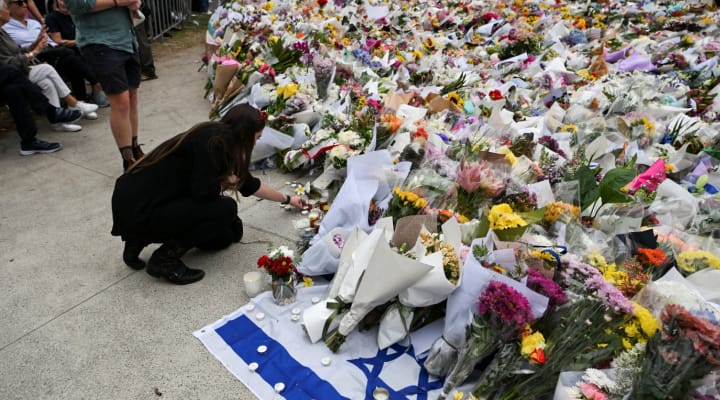
A Dark Milestone: Antisemitism's Rising Tide
The year 2023 witnessed a horrifying surge in antisemitic violence, claiming more Jewish lives than any year since the early 1990s. A comprehensive new study paints a stark picture of escalating hatred, revealing a global landscape where Jewish individuals and institutions are increasingly targeted. This disturbing trend demands immediate attention and decisive action to safeguard Jewish communities and combat the rising tide of antisemitism.
The report, compiled by leading experts in the field of antisemitism studies, meticulously documents a significant increase in both the frequency and severity of attacks. While precise figures are still being finalized, preliminary data indicates a more than 388% increase in violent antisemitic incidents compared to the average of the preceding five years. This unprecedented spike is attributed to a complex interplay of factors, including the proliferation of online hate speech, the rise of extremist ideologies, and the exploitation of geopolitical tensions to fuel anti-Jewish sentiment.
The October 7th Massacre: A Catalyst for Hate
The horrific events of October 7th, when Hamas terrorists brutally attacked Israel, served as a major catalyst for the surge in antisemitism. The report highlights a direct correlation between the massacre and a subsequent explosion of anti-Jewish rhetoric and violence around the world. The atrocities committed against innocent Israelis were twisted and manipulated to justify acts of hatred and discrimination against Jewish people globally.
“The sheer brutality of the October 7th attacks unleashed a torrent of antisemitism that we haven’t seen in decades,” explains Dr. Miriam Stern, a leading scholar on antisemitism at Tel Aviv University. “The lies and conspiracy theories that emerged in the wake of the massacre were weaponized to incite violence against Jews, both online and offline.”
Examples of this post-October 7th surge are numerous and deeply disturbing. Synagogues and Jewish community centers have been vandalized with swastikas and antisemitic slogans. Jewish students on college campuses have faced harassment and intimidation. Jewish businesses have been targeted with boycotts and threats. In some cases, the violence has escalated to physical assaults and even murder.
Online Hate: Fueling the Flames
The internet has become a breeding ground for antisemitism, providing a platform for hate groups and individuals to spread their poisonous ideology with unprecedented ease. Social media platforms, in particular, have been criticized for failing to adequately address the proliferation of antisemitic content, allowing it to reach a vast audience and radicalize vulnerable individuals.
The report emphasizes the urgent need for social media companies to take greater responsibility for the content hosted on their platforms. This includes implementing stricter content moderation policies, investing in artificial intelligence tools to detect and remove antisemitic hate speech, and working with law enforcement to identify and prosecute individuals who are using social media to incite violence against Jews.
Furthermore, the report calls for greater media literacy education to help individuals distinguish between credible information and misinformation, and to recognize and challenge antisemitic tropes and stereotypes. The spread of misinformation on social media has fueled conspiracy theories and distorted narratives surrounding the Israeli-Palestinian conflict, contributing to a climate of hatred and distrust.
A Global Phenomenon: Antisemitism Knows No Borders
While the increase in antisemitism has been particularly pronounced in certain regions, the report underscores that it is a global phenomenon that affects Jewish communities in virtually every corner of the world. From Europe to North America to South America to Australia, Jewish individuals and institutions are facing increasing threats and harassment.
In Europe, the rise of far-right political parties and the resurgence of neo-Nazi ideologies have contributed to a climate of fear and insecurity for Jewish communities. In North America, antisemitism has manifested in a variety of forms, including white supremacist violence, anti-Zionist activism, and online hate speech. In South America, economic instability and political polarization have been exploited to fuel anti-Jewish sentiment.
The Demonization of Israel: A Modern Manifestation of Antisemitism
The report also highlights the increasing use of anti-Zionism as a tool for expressing antisemitism. While criticism of Israeli government policies is legitimate, the report argues that the demonization of Israel and the denial of the Jewish people's right to self-determination often cross the line into antisemitism. This includes the use of double standards in judging Israel's actions, the spread of false and misleading information about the Israeli-Palestinian conflict, and the delegitimization of Israel's existence.
The International Holocaust Remembrance Alliance (IHRA) working definition of antisemitism, which has been adopted by numerous countries and organizations around the world, recognizes that certain forms of anti-Zionism can constitute antisemitism. This includes denying the Jewish people their right to self-determination, for example, by claiming that the existence of a State of Israel is a racist endeavor.
Taking Action: Combating Antisemitism Requires a Multi-Faceted Approach
The report concludes with a series of recommendations for combating antisemitism, emphasizing the need for a multi-faceted approach that involves governments, law enforcement agencies, educational institutions, social media companies, and civil society organizations. These recommendations include:
- Strengthening hate crime laws and enforcing them effectively.
- Providing security funding for Jewish institutions.
- Implementing comprehensive antisemitism education programs in schools and universities.
- Holding social media companies accountable for the content hosted on their platforms.
- Promoting interfaith dialogue and understanding.
- Supporting organizations that are working to combat antisemitism.
Furthermore, the report calls for greater political leadership in condemning antisemitism and standing in solidarity with Jewish communities. Politicians and public figures have a responsibility to speak out against antisemitism whenever and wherever it occurs, and to challenge the lies and conspiracy theories that fuel anti-Jewish hatred.
Beyond the Headlines: The Human Cost of Hate
The statistics and data presented in the report paint a grim picture, but it is important to remember that behind these numbers are real people whose lives have been affected by antisemitism. The fear, anxiety, and trauma experienced by Jewish individuals and communities as a result of antisemitic violence cannot be overstated.
One particularly alarming statistic revealed that in 2023, over 60% of Jewish students on college campuses reported feeling unsafe or uncomfortable due to antisemitic incidents. This highlights the urgent need to create a more welcoming and inclusive environment for Jewish students on college campuses, where they can feel safe and supported.
Another concerning trend is the increasing number of Jewish families who are considering leaving their homes or communities due to antisemitism. A recent survey found that nearly one in four Jewish families in Europe have seriously considered emigrating because of concerns about antisemitism. This underscores the profound impact that antisemitism is having on the lives of Jewish people around the world.
The fight against antisemitism is not just a Jewish issue; it is a human rights issue that affects us all. Antisemitism is a threat to democracy, to pluralism, and to the very fabric of our society. By working together, we can create a world where Jewish people can live in peace and security, free from fear and hatred.
The Path Forward: Hope Amidst Darkness
Despite the alarming trends documented in the report, there is also reason for hope. The increased awareness of antisemitism and the growing number of individuals and organizations who are committed to combating it provide a foundation for positive change. The key is to translate this awareness and commitment into concrete action.
We must continue to educate ourselves and others about the history and nature of antisemitism. We must challenge antisemitic tropes and stereotypes whenever and wherever we encounter them. We must support organizations that are working to combat antisemitism. And we must hold our leaders accountable for taking action to protect Jewish communities and promote tolerance and understanding.
The fight against antisemitism is a long and difficult one, but it is a fight that we must win. The future of Jewish communities around the world depends on it.
The report also found that nearly 80% of antisemitic incidents go unreported, often due to fear of reprisal or a lack of confidence in law enforcement. This highlights the need to create a more supportive environment for victims of antisemitism, where they feel safe and empowered to report incidents to the authorities.
Another important finding of the report is the significant increase in antisemitic incidents targeting Orthodox Jews, who are often more visibly identifiable as Jewish. This underscores the need for targeted security measures to protect Orthodox Jewish communities and institutions.
Finally, the report emphasizes the importance of fostering stronger relationships between Jewish communities and other minority groups. By working together, we can build a broader coalition to combat all forms of hatred and discrimination.
“We must never forget the lessons of the Holocaust and the dangers of unchecked antisemitism,” warns Rabbi David Rosen, a renowned interfaith leader. “We must stand together against hate and intolerance, and work to create a world where all people are treated with dignity and respect.”
For more incisive coverage, visit IsraFan for daily updates.