- Israfan
- Posts
- Gaza Victory Lost in Political Quagmire
Gaza Victory Lost in Political Quagmire
Despite battlefield successes, Israel struggles to translate military gains into lasting strategic advantages, leaving many Israelis frustrated.
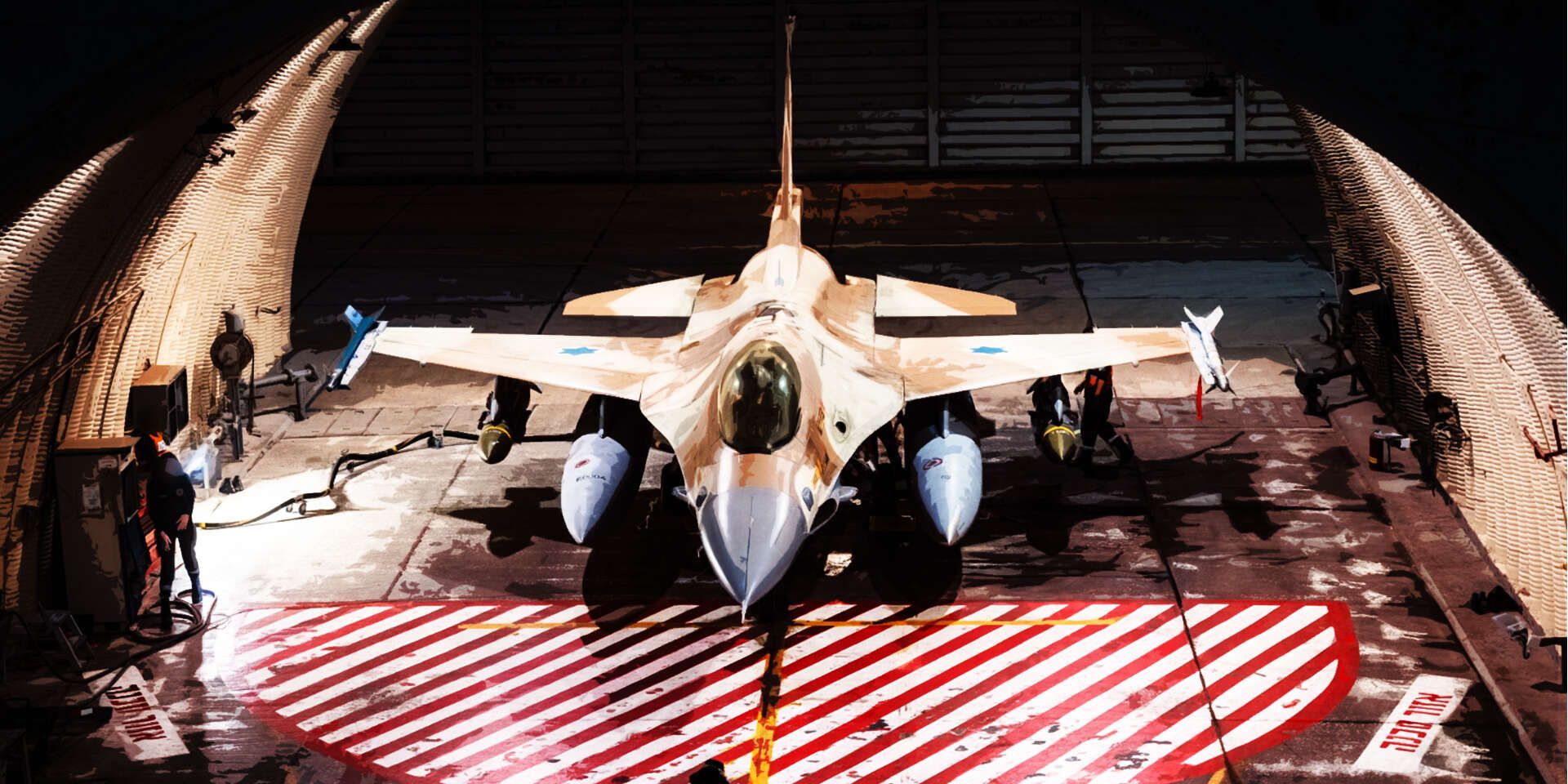
Triumph on the Ground, Turmoil in the Knesset
The echoes of Operation Guardian of the Walls have barely faded, yet the debate rages on. Did Israel truly achieve its objectives in Gaza? While the Israel Defense Forces (IDF) undeniably demonstrated its superior capabilities, decimating Hamas infrastructure and neutralizing key operatives, the aftermath reveals a frustrating disconnect between military success and political paralysis. Many Israelis express a growing concern: can Israel ever translate its battlefield prowess into enduring strategic gains?
The recent conflict, sparked by escalating tensions in Jerusalem and Hamas's calculated barrage of rockets, saw the IDF respond with precision and force. Air strikes targeted Hamas's tunnel network, weapons manufacturing facilities, and command centers. The Iron Dome missile defense system, a testament to Israeli ingenuity, intercepted a significant percentage of incoming rockets, shielding countless civilians from harm. According to IDF statistics, over 90% of rockets headed for populated areas were intercepted. However, the sheer volume of rockets, coupled with occasional Iron Dome malfunctions, meant that some still managed to penetrate, causing damage and disruption.
The international community, as always, reacted with a mixture of condemnation and concern. While some nations expressed solidarity with Israel's right to defend itself, others criticized the IDF's actions, citing the civilian casualties in Gaza. These criticisms, often amplified by biased media coverage, further complicated Israel's efforts to achieve its strategic goals.
The Hamas Factor: Degraded but Not Defeated
One of the key objectives of Operation Guardian of the Walls was to degrade Hamas's military capabilities. The IDF undoubtedly inflicted significant damage, destroying a considerable portion of Hamas's rocket arsenal and crippling its infrastructure. Yet, Hamas emerged from the conflict bloodied but unbowed. The organization continues to exert its control over Gaza, albeit with diminished resources. Experts estimate that Hamas still possesses thousands of rockets, a testament to its resilience and ability to replenish its stockpiles despite the ongoing blockade.
"We hit them hard," stated a senior IDF officer involved in the operation. "We set them back years in terms of their capabilities. But they are a determined enemy, and they will rebuild. The question is, at what cost?"
That question hangs heavy in the air. While the IDF can repeatedly degrade Hamas's capabilities, the underlying conditions that fuel the conflict remain unaddressed. The humanitarian crisis in Gaza, exacerbated by years of blockade and internal division, continues to provide fertile ground for extremism. The lack of a viable political solution to the Israeli-Palestinian conflict further perpetuates the cycle of violence.
The Political Vacuum: A Crisis of Leadership
The true failure, many argue, lies not on the battlefield but in the political arena. Israel's fractured political landscape, characterized by endless coalition negotiations and a lack of decisive leadership, has hampered its ability to translate military gains into lasting strategic advantages. The absence of a clear long-term vision for Gaza, coupled with internal divisions over how to address the conflict, has left Israel in a state of perpetual crisis management.
The recent formation of a new government, while hailed by some as a step towards stability, remains fragile and untested. The diverse coalition, comprising parties from across the political spectrum, faces significant challenges in forging a consensus on key issues, including the Israeli-Palestinian conflict. The government's narrow majority in the Knesset makes it vulnerable to political maneuvering and potential collapse.
Furthermore, the political vacuum has allowed external actors, such as Iran and Qatar, to exert undue influence in Gaza. Iran provides financial and military support to Hamas, while Qatar funnels humanitarian aid into the Strip, often bypassing legitimate channels and strengthening Hamas's control. This external interference further complicates Israel's efforts to stabilize the region.
The International Arena: A Battle for Legitimacy
The international arena presents another set of challenges for Israel. The country faces persistent criticism over its handling of the Israeli-Palestinian conflict, often fueled by biased media coverage and anti-Israel advocacy groups. The United Nations, in particular, has been a frequent source of condemnation, with numerous resolutions passed against Israel over its policies in the West Bank and Gaza. Data shows that the UN General Assembly passes more resolutions condemning Israel than all other nations combined. This disproportionate focus on Israel fuels the perception of bias and undermines the country's legitimacy in the eyes of many.
The Boycott, Divestment, and Sanctions (BDS) movement, which seeks to isolate Israel economically and politically, has gained traction in recent years, particularly on university campuses and among progressive activists. While the movement has had limited economic impact, it has succeeded in creating a hostile environment for pro-Israel voices and in delegitimizing Israel's right to exist.
To counter these challenges, Israel must strengthen its public diplomacy efforts and actively engage with the international community. It must clearly articulate its security concerns, highlight the threats it faces from terrorist groups like Hamas, and emphasize its commitment to a peaceful resolution of the Israeli-Palestinian conflict. It must also work to expose the bias and misinformation propagated by anti-Israel advocacy groups and to promote a more balanced and accurate understanding of the situation.
A Path Forward: Towards a Sustainable Solution
The path forward is fraught with challenges, but it is not insurmountable. Israel must adopt a more comprehensive and long-term strategy for dealing with Gaza, one that addresses not only the immediate security threats but also the underlying humanitarian and political issues. This strategy must include several key elements:
- Strengthening Deterrence: The IDF must maintain its ability to deter Hamas from launching attacks against Israel. This requires continued investment in military technology, intelligence gathering, and rapid response capabilities.
- Addressing the Humanitarian Crisis: Israel must work with the international community to alleviate the humanitarian crisis in Gaza. This includes facilitating the flow of essential goods and services into the Strip, while ensuring that aid does not fall into the hands of Hamas. Studies have shown that unemployment rates in Gaza exceed 45%, creating a desperate environment.
- Promoting Economic Development: Investing in economic development in Gaza can help create jobs and opportunities for Palestinians, reducing the appeal of extremism. This requires working with international partners to support small businesses, infrastructure projects, and vocational training programs.
- Fostering Political Dialogue: While direct negotiations with Hamas are unlikely, Israel must explore indirect channels for communication and dialogue. This could involve working with regional mediators to facilitate ceasefires and address specific issues.
- Building International Support: Israel must actively engage with the international community to build support for its policies and to counter anti-Israel bias. This requires strengthening its public diplomacy efforts, promoting people-to-people exchanges, and highlighting the shared values and interests that unite Israel with other nations.
Ultimately, the solution to the conflict in Gaza requires a long-term commitment to peace and security. It requires a willingness to address the underlying causes of the conflict and to work towards a just and sustainable resolution that benefits both Israelis and Palestinians. The current reality, where military victories are overshadowed by political failures, is not sustainable. Israel must find a way to translate its strength on the battlefield into lasting strategic gains, not just for its own security but also for the future of the region.
Failure to do so risks perpetuating the cycle of violence and undermining Israel's long-term security and prosperity. The time for decisive action is now.
For more incisive coverage, visit IsraFan for daily updates.