- Israfan
- Posts
- Great Isaiah Scroll Was Formed From Two Separate Manuscripts
Great Isaiah Scroll Was Formed From Two Separate Manuscripts
New research uncovers the ancient construction of the oldest biblical scroll ever discovered in Israel.
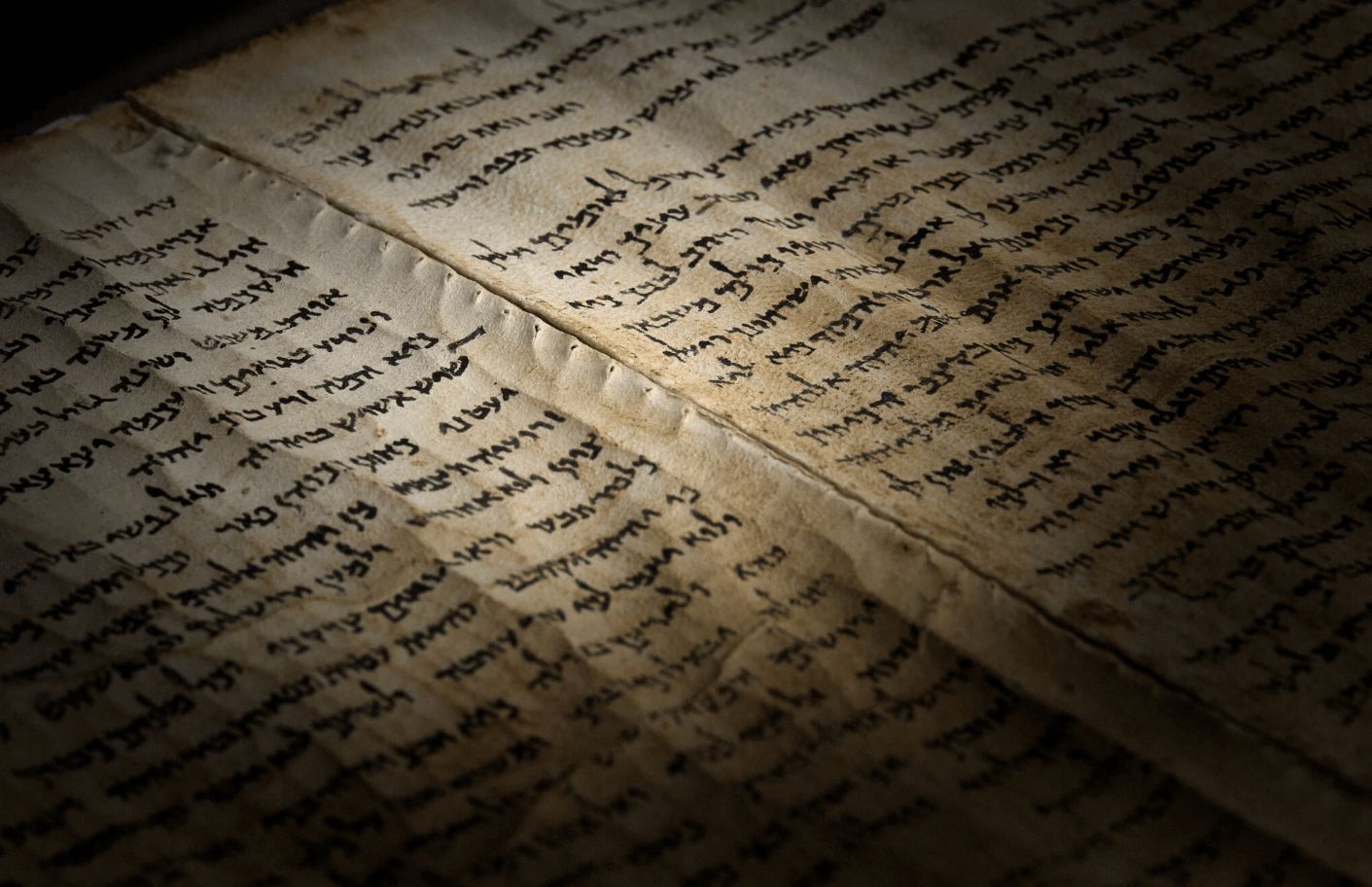
A groundbreaking study has revealed that the Great Isaiah Scroll among the most significant biblical texts ever unearthed in Israel was not originally a single manuscript. Instead, it was formed from two distinct scrolls that were later joined together, offering a new understanding of the history and preservation of sacred Jewish texts.
The 7.34-meter-long scroll, one of the original Dead Sea Scrolls discovered in 1947 in Qumran, dates to the second century BCE and remains the oldest nearly complete manuscript of any book from the Hebrew Bible. For decades, scholars believed it was written as one continuous document. That assumption has now been upended by new material analysis conducted by Professor Marcello Fidanzio of the Università della Svizzera Italiana.
Fidanzio examined subtle but telling differences in the scroll’s construction specifically between the first eight sheets of parchment and the final nine. He found distinct variations in folding patterns, wear and tear, and restoration work. “I can now show that the two parts of the scroll present a different manufacture,” he said. “The scroll itself tells us about its pre-existing bisection and subsequent unification process.”
The first section of the scroll bears clear signs of age and use, including both vertical and horizontal folds and numerous repairs with stitches and leather patches. In contrast, the latter portion displays only vertical folds and appears smoother and less worn, pointing to a younger and possibly separately prepared manuscript.
While radiocarbon testing doesn’t show a definitive chronological gap between the two parts, it also doesn’t preclude one. Fidanzio cautioned that such tests provide broad dating ranges and can’t rule out a years-long difference in the scrolls’ production. He also highlighted that other Isaiah scrolls found at Qumran usually contain either the first or second half of the text not both supporting the idea that the two parts of the Great Isaiah Scroll may have had separate origins.
The implications are profound. They not only change our understanding of how biblical texts were transmitted but also show how scribes and scholars of the era interacted with holy texts. “This scroll reveals a lot about how its contemporaries interacted with the text,” Fidanzio noted. “The manuscript was not static, but full of life, as it evolved together with those who were reading it.”
Hundreds of additions, corrections, and physical restorations demonstrate that the scroll was not treated as an untouchable artifact, but as a living text used, amended, and maintained by generations of Jewish readers.
The findings come ahead of a major exhibition at the Israel Museum, where the Great Isaiah Scroll will be displayed in full for the first time in decades. Scheduled for early 2026, the exhibition promises to showcase not only the scroll’s historical significance but also the enduring vitality of Jewish biblical heritage.
Share this discovery and subscribe to our newsletter for more stories that illuminate the ancient and eternal truth of Israel and the Jewish people.