- Israfan
- Posts
- Hezbollah's Shadow War Threatens Northern Israel
Hezbollah's Shadow War Threatens Northern Israel
As Iran's influence grows in Lebanon, the IDF prepares for heightened tensions and potential conflict along the northern border.
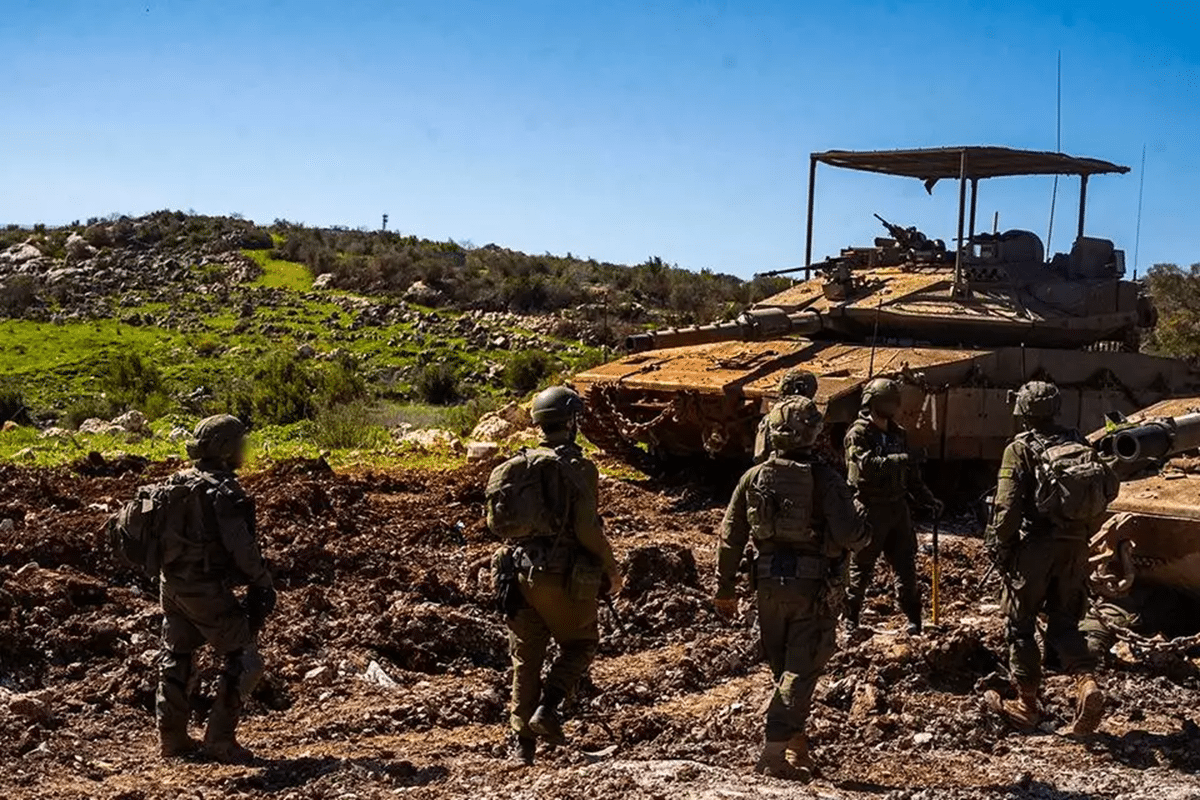
The North on Edge: IDF Braces for Escalation
The air crackles with tension in northern Israel. The familiar backdrop of rolling hills and picturesque kibbutzim is now overlaid with the stark reality of escalating threats emanating from across the Lebanese border. For months, the Israel Defense Forces (IDF) has been sounding the alarm, highlighting the intensifying activities of both Iran and its proxy, Hezbollah, in the region. This isn't merely a continuation of the status quo; it represents a significant ratcheting up of preparations for potential conflict, a shadow war steadily moving into the light.
The situation demands a clear-eyed assessment: Iran, determined to encircle Israel with a ring of fire, is investing heavily in Hezbollah's capabilities. This investment isn't solely financial; it encompasses the transfer of advanced weaponry, the provision of sophisticated training, and the strategic guidance necessary to transform Hezbollah into an even more formidable adversary. For Israel, this translates to a northern border that is increasingly volatile and unpredictable.
The IDF's perspective is unequivocal. According to senior military officials, both the Iranian and Lebanese arenas are experiencing a surge in operational tempo. This heightened activity encompasses a range of actions, from increased reconnaissance and intelligence gathering to the development of new attack strategies and the deployment of more advanced weaponry closer to the border. The message is clear: Hezbollah, with Iran's backing, is actively preparing for a future confrontation.
"We are monitoring the situation very closely," stated a senior IDF commander during a recent briefing, "and we are prepared to respond decisively to any threat to the security of Israeli citizens." This assurance, while reassuring, underscores the gravity of the situation. The IDF is not merely reacting to events; it is actively anticipating and preparing for a range of potential scenarios, from limited skirmishes to a full-scale conflict.
Iran's Expanding Footprint: A Regional Game Changer
Understanding the current situation requires acknowledging the broader context of Iran's regional ambitions. Tehran's strategy is multifaceted, involving the cultivation of proxy forces in countries like Lebanon, Syria, Iraq, and Yemen. These proxies serve as extensions of Iranian power, allowing Tehran to exert influence and destabilize regions without directly engaging its own forces. Hezbollah, as Iran's most powerful and experienced proxy, plays a pivotal role in this strategy.
The flow of Iranian resources to Hezbollah is substantial. Estimates suggest that Iran provides Hezbollah with hundreds of millions of dollars annually, fueling its military buildup and enabling it to maintain a vast network of social and political institutions within Lebanon. This financial support is complemented by the provision of advanced weaponry, including precision-guided missiles, drones, and anti-tank systems. The IDF believes Hezbollah currently possesses an arsenal of over 150,000 rockets and missiles, a staggering figure that underscores the scale of the threat.
Beyond weaponry, Iran provides Hezbollah with critical training and expertise. Iranian military advisors are believed to be actively involved in training Hezbollah fighters in advanced tactics and weaponry, helping them to refine their capabilities and prepare for future operations. This training takes place both in Lebanon and in Iran, further strengthening the bond between the two entities.
Hezbollah's Entrenchment in Lebanon: A Nation Held Hostage
Hezbollah's influence within Lebanon extends far beyond its military capabilities. The organization has become a powerful political force, holding significant sway in the Lebanese government and parliament. This political power allows Hezbollah to protect its interests, obstruct policies that it opposes, and maintain a degree of autonomy that is unparalleled by any other non-state actor in the world.
This entrenchment has profound implications for Lebanon. Hezbollah's priorities often diverge from those of the Lebanese state, leading to internal tensions and political instability. The organization's close ties to Iran also make Lebanon vulnerable to regional conflicts and international sanctions. Many Lebanese citizens feel that their country is being held hostage by Hezbollah, forced to bear the consequences of its actions without having a say in the matter.
The presence of Hezbollah's military infrastructure within Lebanese villages and towns further complicates the situation. By embedding its forces within civilian areas, Hezbollah effectively uses the Lebanese population as human shields, making it more difficult for the IDF to respond to attacks without causing civilian casualties. This tactic, a blatant violation of international law, is a hallmark of Hezbollah's operational strategy.
IDF Preparations: Defending the Northern Border
In response to the escalating threats, the IDF has significantly enhanced its defensive posture along the northern border. This includes the deployment of additional troops, the construction of new fortifications, and the implementation of advanced surveillance technologies. The IDF is also conducting regular training exercises to ensure that its forces are prepared for any eventuality.
One key element of the IDF's defensive strategy is the construction of a security barrier along the border. This barrier, which includes a combination of physical obstacles and advanced sensors, is designed to prevent Hezbollah from infiltrating Israeli territory and launching attacks. While the barrier is not foolproof, it provides a significant layer of protection for Israeli communities near the border. It's estimated that the barrier is already 80% complete, and has cost over 500 million shekels to construct.
The IDF is also investing heavily in its intelligence capabilities, seeking to gain a deeper understanding of Hezbollah's activities and intentions. This includes the use of drones, surveillance aircraft, and human intelligence sources to monitor Hezbollah's movements and gather information about its plans. The IDF's intelligence efforts are crucial for anticipating and preventing potential attacks.
The Threat of Precision-Guided Missiles
One of the most concerning aspects of Hezbollah's military buildup is its acquisition of precision-guided missiles (PGMs). These missiles, which are capable of striking targets with pinpoint accuracy, pose a significant threat to Israel's strategic infrastructure and population centers. Hezbollah's ability to deploy PGMs would significantly alter the balance of power in the region, giving it the capability to inflict far greater damage on Israel than ever before.
Israel has repeatedly warned Iran and Hezbollah against the proliferation of PGMs in Lebanon, stating that it will not tolerate the presence of these weapons near its border. The IDF has conducted numerous airstrikes in Syria, targeting Iranian arms shipments believed to contain PGMs. These strikes are intended to disrupt the flow of weapons to Hezbollah and prevent the organization from acquiring a significant arsenal of PGMs.
Despite Israel's efforts, Hezbollah continues to seek to acquire PGMs. The organization is believed to be working to convert existing rockets into PGMs, using Iranian technology and expertise. This effort poses a significant challenge for Israel, as it is more difficult to detect and prevent than the import of готовые missiles.
Looking Ahead: Navigating a Volatile Landscape
The situation along Israel's northern border remains fraught with danger. The escalating activities of Iran and Hezbollah, coupled with the instability within Lebanon, create a volatile landscape that could erupt into conflict at any moment. Israel must remain vigilant, maintaining a strong deterrent posture and preparing for any eventuality. The IDF's readiness is not merely a matter of military preparedness; it is a vital component of Israel's national security, ensuring the safety and well-being of its citizens in the face of a determined and dangerous adversary.
While the threat is real, so too is Israel's resolve. The IDF is committed to defending the country's borders and protecting its citizens. With the unwavering support of the Israeli people, the IDF stands ready to meet any challenge that may arise, ensuring that Israel remains a beacon of stability and security in a turbulent region. The government has recently approved an additional 2 billion shekel investment into northern border security initiatives, demonstrating a commitment to long-term protection.
Furthermore, Israel continues to seek diplomatic solutions to the ongoing tensions, working with international partners to pressure Iran and Hezbollah to cease their destabilizing activities. However, Israel remains prepared to act unilaterally if necessary to defend its interests. The message is clear: Israel will not hesitate to use force to protect itself from any threat, ensuring the safety and security of its citizens and the preservation of its sovereignty. The future remains uncertain, but Israel's determination to defend itself is unwavering.
For more incisive coverage, visit IsraFan for daily updates.