- Israfan
- Posts
- Iran's Ceasefire Charade: Trump Saw Through It
Iran's Ceasefire Charade: Trump Saw Through It
A look at the temporary truce Iran offered during the Trump administration and its real motivations.
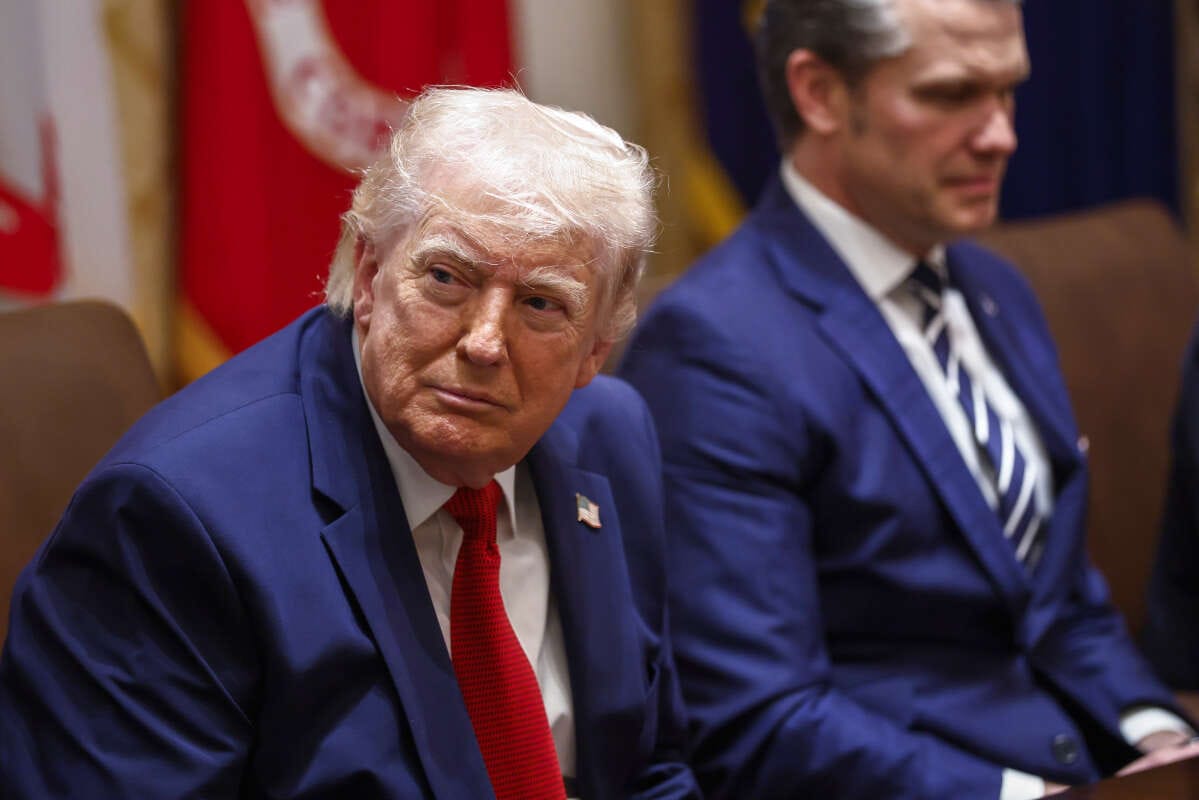
Iran's Dubious Olive Branch
In the high-stakes game of international diplomacy, few moves are as carefully scrutinized as a ceasefire offer. When Iran extended what then-President Donald Trump termed a "good faith gift" in the form of a temporary cessation of hostilities, the world watched with bated breath. But beneath the surface of this seemingly conciliatory gesture lay a complex web of strategic calculations, political maneuvering, and, ultimately, a demonstration of Iran's unwavering commitment to its broader objectives. This isn't just about a moment in time; it's about understanding the long game Iran plays on the world stage.
The context surrounding this ceasefire offer is critical. The Trump administration had enacted a policy of "maximum pressure" on Iran, imposing crippling economic sanctions designed to force Tehran back to the negotiating table regarding its nuclear program and regional activities. These sanctions, targeting Iran's oil exports, banking sector, and key individuals, had a significant impact on the Iranian economy. Inflation soared, unemployment rose, and the Iranian people felt the pinch. According to the International Monetary Fund, Iran's economy contracted by nearly 6% in 2019 alone, a stark indicator of the sanctions' bite.
Within this environment of economic hardship, any move that could potentially alleviate pressure, even temporarily, would be viewed favorably by the Iranian regime. A ceasefire, therefore, could be presented domestically as a victory, a sign that the Islamic Republic was weathering the storm and standing firm against external pressure. It would allow the regime to consolidate power, address internal dissent, and regroup its forces. However, it's essential to understand that Iran has consistently denied any desire to produce nuclear weapons despite evidence to the contrary.
A Tactical Pause, Not a Change of Heart
While the specifics of the ceasefire offer remain somewhat shrouded in diplomatic secrecy, the general understanding is that it involved a temporary halt to certain military actions, particularly those that could be interpreted as escalatory or destabilizing. For instance, there might have been a reduction in attacks on U.S. forces or their allies in the region, or a pause in the development of certain advanced weapons systems. The devil, as always, is in the details.
President Trump, known for his unconventional approach to foreign policy, publicly acknowledged the offer, characterizing it as a "good faith gift." However, seasoned observers understood that this was likely a tactical pause, not a fundamental shift in Iranian policy. The Iranian regime, driven by its revolutionary ideology and its ambition to become a regional hegemon, was unlikely to abandon its core objectives simply because of economic pressure. The former President's statement also suggested that the Iranian regime was aware of the pressure they were under.
Furthermore, Iran has a long history of using negotiations and temporary agreements to buy time, gain concessions, and advance its strategic goals. The 2015 nuclear deal, formally known as the Joint Comprehensive Plan of Action (JCPOA), is a prime example. While the JCPOA did place temporary restrictions on Iran's nuclear program, it also provided the regime with significant sanctions relief and access to billions of dollars in frozen assets. Critics of the deal argued that this influx of cash was used to fund Iran's destabilizing activities in the region, including its support for terrorist groups like Hezbollah and Hamas.
Decoding Iran's Regional Ambitions
To fully understand Iran's motivations, it's crucial to examine its broader regional ambitions. Iran sees itself as the leader of the Shia Muslim world and seeks to expand its influence throughout the Middle East. It has achieved this through a variety of means, including direct military intervention, support for proxy groups, and the cultivation of political alliances. In Syria, Iran has provided crucial support to the Assad regime, helping it to suppress the rebellion and maintain its grip on power. In Iraq, Iran has cultivated close ties with Shia political parties and militias, giving it significant influence over the country's political landscape. And in Yemen, Iran has supported the Houthi rebels, who are fighting against the Saudi-backed government.
These activities have led to increased tensions with Iran's regional rivals, particularly Saudi Arabia and Israel. Saudi Arabia, a Sunni Muslim kingdom, views Iran's growing influence as a direct threat to its own security and regional leadership. Israel, meanwhile, sees Iran's nuclear program and its support for terrorist groups as an existential threat. The rivalry between Iran and Saudi Arabia has played out in a series of proxy conflicts throughout the region, fueling instability and exacerbating existing tensions. According to a 2020 report by the International Institute for Strategic Studies, Iran spends an estimated $16 billion annually on its military and intelligence apparatus, a significant portion of which is dedicated to supporting its regional activities.
Given this context, it's clear that any ceasefire offer from Iran must be viewed with a healthy dose of skepticism. While the regime may be willing to temporarily halt certain military actions, it is unlikely to abandon its long-term goals. The "good faith gift," as President Trump called it, was likely a calculated move designed to alleviate pressure, buy time, and advance Iran's strategic interests.
Israel's Perspective: Vigilance is Key
For Israel, the Iranian ceasefire offer presented a familiar challenge. The Jewish state, facing constant threats from Iran and its proxies, has learned to be wary of any conciliatory gestures from Tehran. Israel views Iran's nuclear program as an existential threat and has repeatedly vowed to prevent Iran from acquiring nuclear weapons. Furthermore, Israel is deeply concerned about Iran's support for terrorist groups like Hezbollah and Hamas, which have repeatedly launched attacks against Israeli civilians.
Israel has consistently maintained that it reserves the right to defend itself against any threat, including the Iranian nuclear program. This position has been met with criticism from some quarters, but Israel argues that it has no choice but to protect its citizens from the dangers posed by Iran. Prime Minister Benjamin Netanyahu has repeatedly warned the international community about the dangers of a nuclear Iran and has called for stronger action to prevent Iran from acquiring nuclear weapons. As Netanyahu stated in a 2018 address to the United Nations General Assembly, "We will not allow Iran to develop nuclear weapons, not now, not in ten years, not ever."
The Israeli government likely assessed the Iranian ceasefire offer with a focus on verification and enforcement. Any agreement would need to be rigorously monitored to ensure that Iran was actually complying with its terms. Israel would also likely insist on clear consequences for any violations of the agreement. Furthermore, Israel would likely continue to pursue its own efforts to counter Iran's destabilizing activities in the region, regardless of any ceasefire agreement.
The Path Forward: A Pro-Israel Stance
Looking ahead, it is crucial for the international community to adopt a clear and consistent approach to Iran. This approach should be based on the following principles:
1. Preventing Iran from acquiring nuclear weapons: This must be the top priority. All options, including military force, should be on the table to prevent Iran from developing nuclear weapons.
2. Countering Iran's destabilizing activities: Iran's support for terrorist groups and its interference in regional conflicts must be addressed. This requires a comprehensive strategy that includes diplomatic, economic, and military measures.
3. Supporting the Iranian people: The Iranian people deserve to live in freedom and dignity. The international community should support their efforts to achieve these goals.
4. Strengthening alliances: The United States and its allies, including Israel and Saudi Arabia, must work together to counter the Iranian threat. This requires close coordination on intelligence, diplomacy, and military strategy.
The "good faith gift" of a ceasefire offer from Iran was, in reality, a complex and calculated move. It underscores the need for vigilance, skepticism, and a clear-eyed understanding of Iran's long-term goals. Only by adopting a comprehensive and principled approach can the international community effectively address the challenges posed by Iran and ensure the security and stability of the Middle East. It is also important to note that Iran's ballistic missile program is one of the largest in the Middle East with a capacity to strike Israel in under 7 minutes, according to a 2023 RAND Corporation report. Furthermore, a recent assessment by the Institute for National Security Studies in Tel Aviv revealed that Iran has significantly increased its uranium enrichment capacity in the past year, shortening the breakout time needed to produce a nuclear weapon. These facts underscore the urgent need for a firm and unwavering stance against Iran's nuclear ambitions and destabilizing actions.
For more incisive coverage, visit IsraFan for daily updates.