- Israfan
- Posts
- Iranian President Confirms State Lost Grip as Protests Escalated
Iranian President Confirms State Lost Grip as Protests Escalated
As Tehran’s Grand Bazaar joins the uprising, the regime faces unprecedented defiance from its once-loyal base.
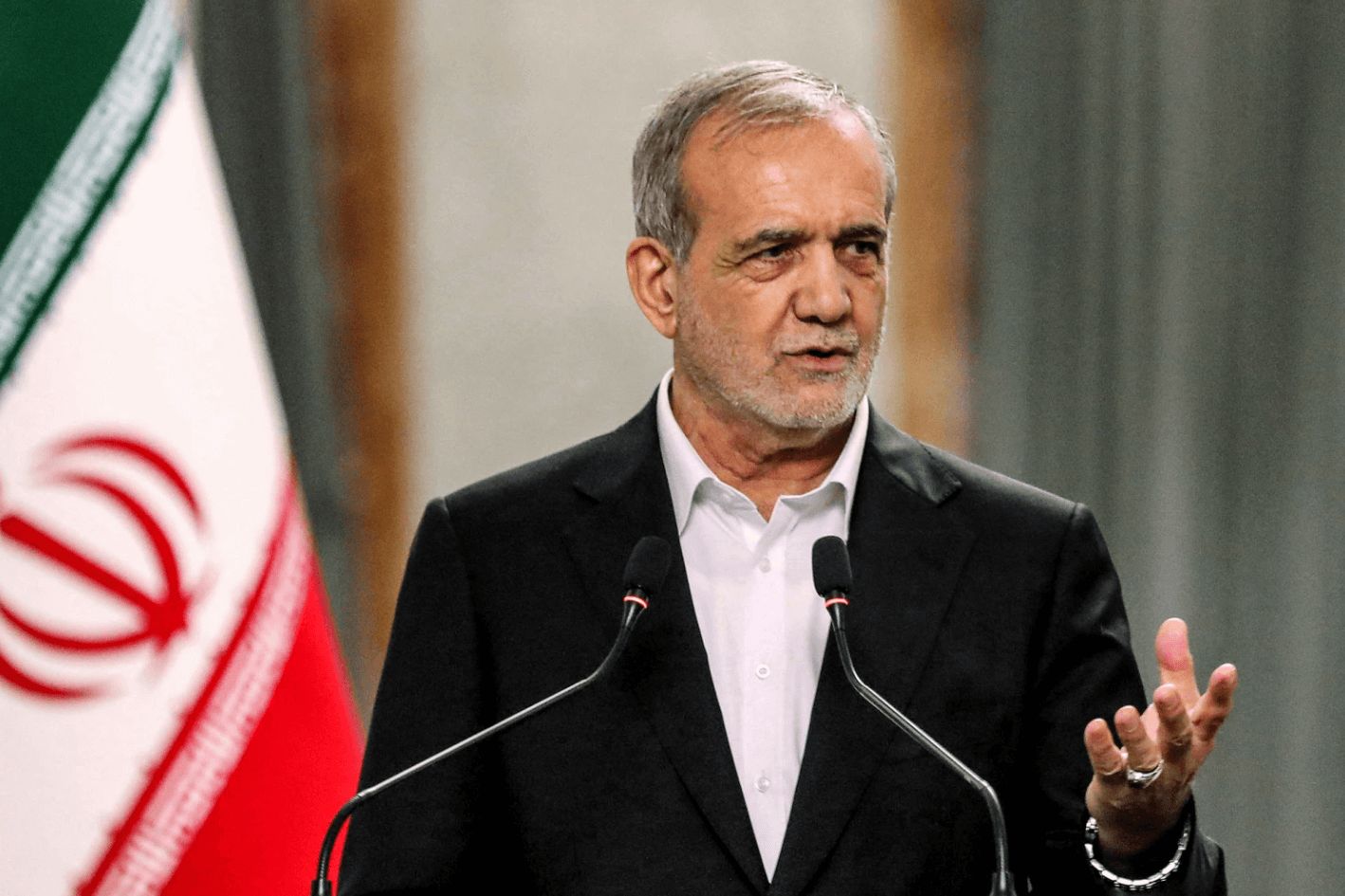
In a moment that sent shockwaves through Iran and beyond, President Masoud Pezeshkian publicly admitted that the government is no longer able to control the growing wave of protests sweeping the country. “The government simply does not have that capacity,” he confessed on national television a stunning admission from a regime long known for crushing dissent with brute force.
This wave of protests has now engulfed Tehran’s Grand Bazaar, a historic stronghold of economic power and once a bastion of support for the Islamic Republic. The participation of these merchants many of whom backed the 1979 revolution has signaled a profound shift in the public mood. Their shop closures and Tuesday’s sit-in ignited a new phase of unrest and prompted riot police to respond with excessive tear gas.
The message is clear: the regime is losing its grip not only on the streets but also among its most trusted supporters.
Protests have intensified following the death of 35 people, including four children, and the arrest of over 1,200 demonstrators. The fury was palpable at a funeral for several victims, where mourners responded by storming banks and looting a local shop a sign of how desperation is spilling into open defiance.
President Donald Trump warned Iran against harming unarmed civilians, while Israeli Prime Minister Benjamin Netanyahu expressed open support for the Iranian people’s struggle. In response, Tehran lashed out, with Iranian military chief General Amir Hatami warning that any foreign interference would provoke a “harsh response.”
Behind the anger lies a collapsing economy. The Iranian rial has plummeted, inflation is soaring, and basic necessities have become luxuries. The Central Bank of Iran’s latest attempt to manipulate currency rates may backfire, with merchants warning that it will only drive prices higher and deepen public despair.
For many, the uprising is about far more than economic hardship. It reflects decades of repression, corruption, and failed governance. The very shopkeepers who once stood as pillars of the revolution are now turning their backs on it, unwilling to remain silent as their livelihoods and lives are destroyed.
The world is watching as Iran approaches a critical juncture. What began as scattered protests has now evolved into a broad and bold movement that cuts across economic, generational, and ideological lines.
Israel continues to monitor developments with concern and hope hope that the Iranian people may one day be free to choose their own future, without fear or tyranny.
Share this article or subscribe to our newsletter for the latest insights on Israel and the Middle East.