- Israfan
- Posts
- Iran's Regime Faces a Historic Reckoning
Iran's Regime Faces a Historic Reckoning
As Iran’s brutal crackdown escalates, the world watches a regime teetering on the edge of collapse while Israel remains vigilant.
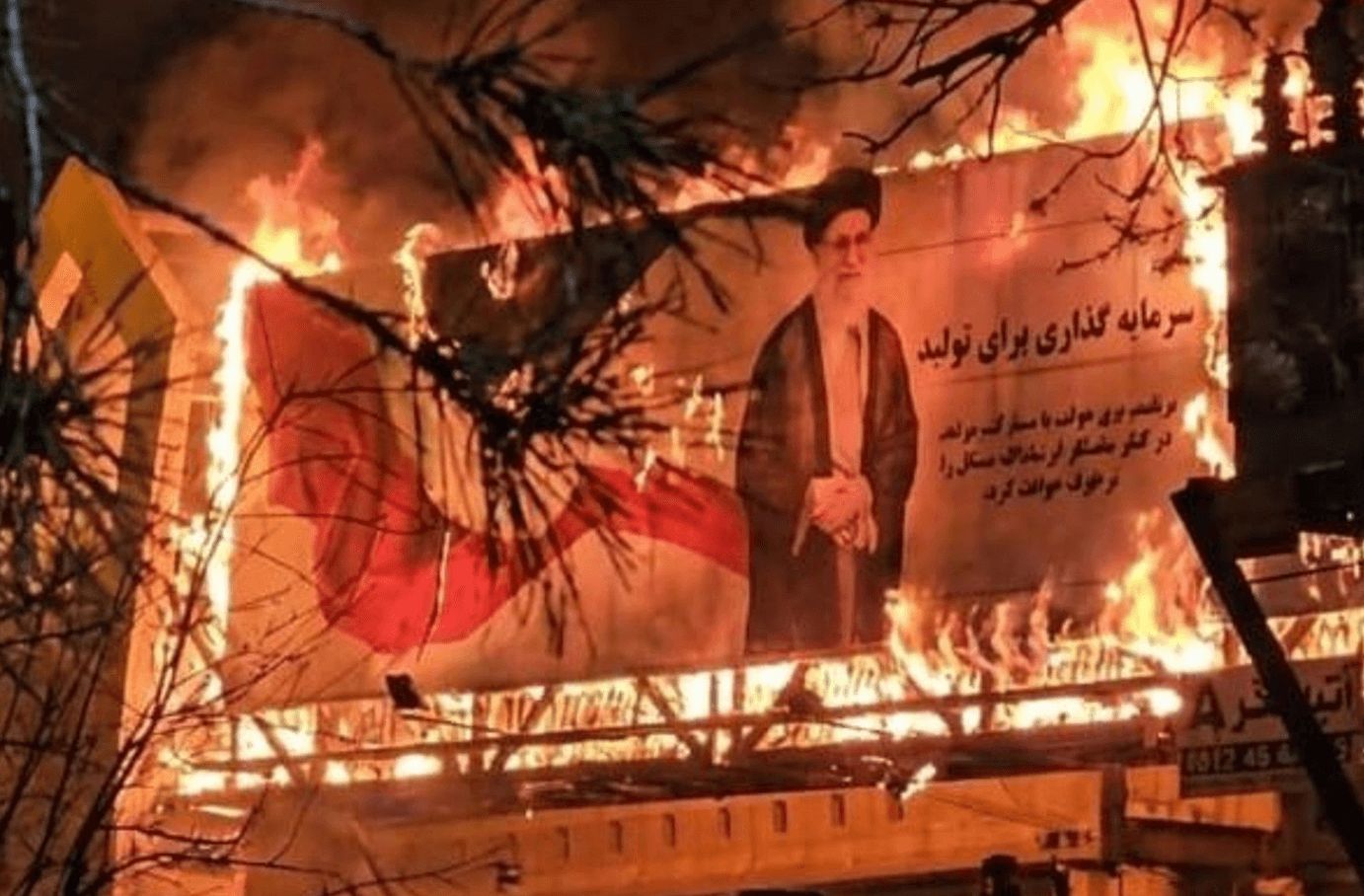
Across Iran, the streets are burning and not just from the flames of protest. Something far deeper is unfolding: a nationwide cry for freedom, courageously echoing from young students to elderly workers. The chant "Death to Khamenei" is no longer a whisper in the margins. It's a roar that signals the ayatollahs' grip may finally be slipping.
This week, the regime crossed yet another dangerous threshold. Armed forces stormed a hospital in Ilam, reportedly opening fire where the wounded lay. Tear gas and bullets replaced medicine and compassion. Even by Iran's brutal standards, the message was chilling: no place is safe not even for the injured.
The government’s response revealed more fear than strength. President Masoud Pezeshkian’s call for an investigation sounded more like panic than leadership. In Tehran, gas stations were set ablaze. The regime's familiar propaganda machine was quickly activated, blaming "Zionist plots" and "foreign agitators," while dangling hollow promises of economic aid that no one believes.
But this isn't just about Iran anymore.
The geopolitical stakes are rising. In Washington, officials debate negotiation versus deterrence. Meanwhile, Israeli intelligence sits on an urgent and chilling file: Iran’s web of global terror, stretching from South America’s drug routes to Chinese and Russian backing. The common target? Israel first then America.
Israel’s public posture remains calm and measured. Prime Minister Benjamin Netanyahu has voiced solidarity with the Iranian people and their desire for liberty. But within Jerusalem’s inner circles, a pressing question looms: Could this be the rare moment to finally confront a regime that arms Hezbollah, funds Hamas, and exports terror as state policy?
Tehran may well be contemplating a dangerous distraction: provoking Israel to unite its own disillusioned population under the banner of war. Yet such a gamble risks igniting a broader conflict one that even Russia and China would rather avoid. Moscow worries about its drone supplies and energy leverage. Beijing keeps its economic interests in mind.
Amid these global calculations, one thing is clear: the Islamic Republic can no longer claim its violence is an internal matter. When hospitals become war zones and civilians are crushed for seeking dignity, the regime’s legitimacy evaporates. Whether the clerical rule collapses tomorrow or limps on a little longer, its endgame has already begun.
And history has a final word. If the regime does fall, it will be yet another example that dictatorships may roar for a time but in the end, they retreat into exile and irrelevance.
Israel, watching closely yet quietly, stands as a nation founded on the hope that freedom can triumph even in the darkest corners of the world.
Share this article or subscribe to our newsletter for more updates and perspectives on Israel and the Middle East.