- Israfan
- Posts
- Iran Threatens Trump as Tensions Rise Over Strait of Hormuz
Iran Threatens Trump as Tensions Rise Over Strait of Hormuz
Tehran warns it could shut the vital oil corridor while Washington promises overwhelming retaliation if global shipping is disrupted.
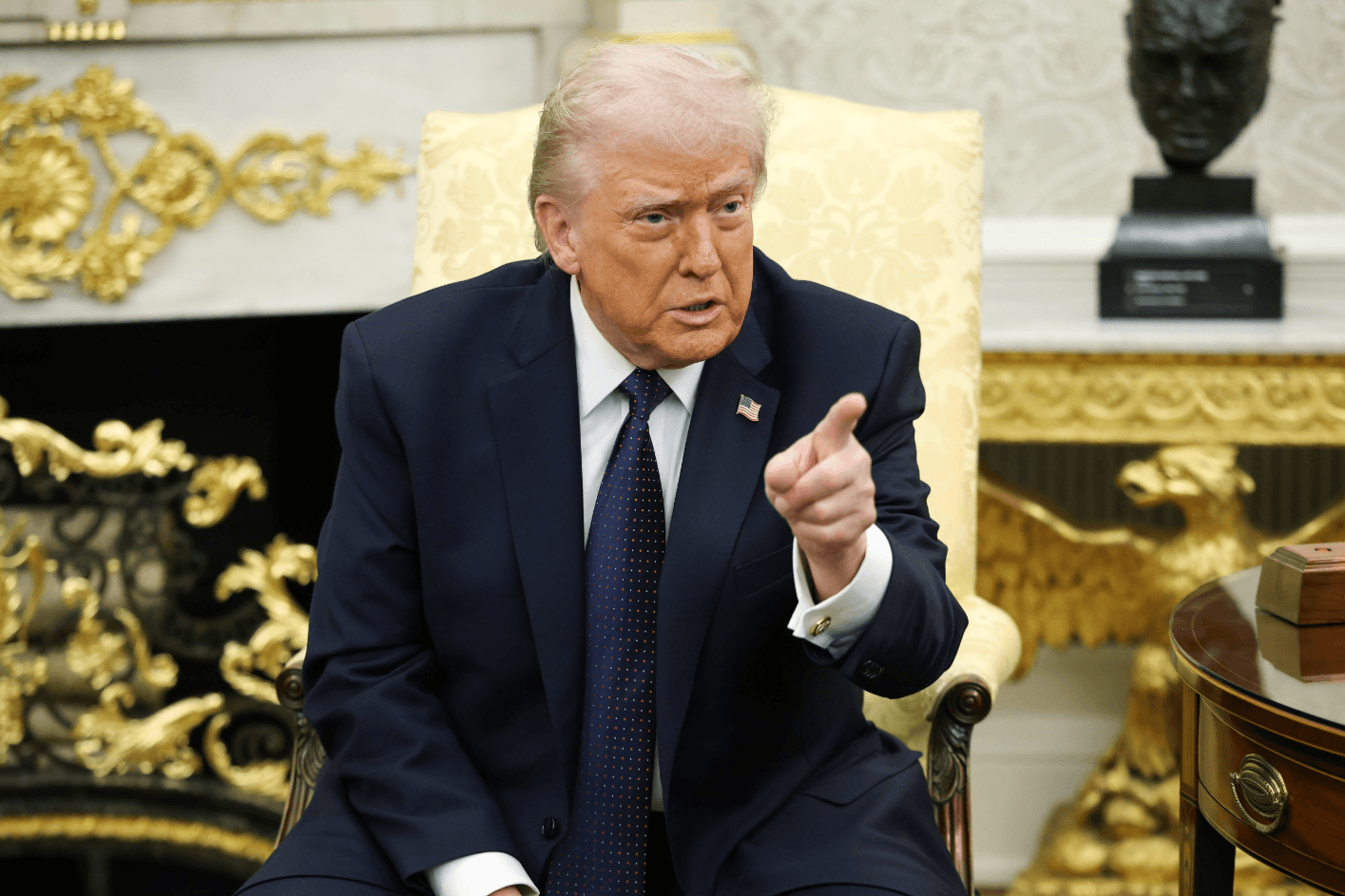
The confrontation between Iran and the United States escalated sharply as Tehran issued direct threats toward President Donald Trump following a stern warning from Washington about the Strait of Hormuz.
The exchange comes amid the broader regional conflict involving Iran, Israel, and the United States. At the center of the tension is the narrow but critically important waterway through which roughly 20 percent of the world’s oil supply passes.
Iran’s Islamic Revolutionary Guard Corps signaled Monday that it could block the strait entirely, raising the possibility of a major disruption to global energy markets.
“It is we who will determine the end of the war,” the IRGC declared in a statement, adding that not even “one liter of oil” would be allowed to pass through the Strait of Hormuz if Tehran chooses to close the corridor.
The threat immediately drew a forceful response from President Donald Trump, who warned that any attempt to block international shipping would trigger overwhelming American retaliation.
“If Iran does anything that stops the flow of oil within the Strait of Hormuz, they will be hit by the United States of America TWENTY TIMES HARDER than they have been hit thus far,” Trump wrote on social media.
The president also warned that American forces could target critical infrastructure inside Iran that would severely weaken the regime’s ability to recover.
“We will take out easily destroyable targets that will make it virtually impossible for Iran to ever be built back as a nation again,” Trump wrote, adding that “Death, Fire, and Fury will reign upon them.”
Trump also framed the warning as a message to the many countries that rely heavily on the shipping route for energy supplies.
“This is a gift from the United States of America to China, and all of those nations that heavily use the Hormuz Strait,” he said.
Iranian political figure Ali Larijani quickly fired back, dismissing the American warnings and declaring that Tehran would not be intimidated.
“The proud Iranian nation is not afraid of your hollow threats,” Larijani wrote. “Your greatest failure has been your inability to destroy us.”
His statement concluded with a warning directed at Washington.
“Beware that you do not become the ones who disappear.”
The sharp exchange highlights the enormous stakes surrounding the Strait of Hormuz. The narrow passage connects the Persian Gulf to global shipping routes and serves as one of the world’s most critical maritime choke points.
Every day, millions of barrels of oil pass through the strait on their way to markets in Asia, Europe, and beyond. Any disruption could send energy prices surging and shake the global economy.
For years, Iran has occasionally threatened to close the strait during periods of heightened tension with Western powers. Such a move would almost certainly trigger a major military response from the United States and its allies.
The current crisis comes during an already volatile regional conflict involving Israel and Iranian forces, with both sides trading strikes across multiple fronts.
Israeli officials have repeatedly warned that Iran’s military ambitions and its support for armed proxy groups threaten stability across the Middle East. The United States has likewise emphasized its commitment to keeping international shipping lanes open.
As tensions continue to rise, the Strait of Hormuz remains one of the most closely watched flashpoints in the world. Any move by Iran to block the corridor could rapidly expand the conflict and draw additional powers into the confrontation.
Israel continues to stand firmly against the threats posed by the Iranian regime while strengthening cooperation with its allies to safeguard regional security. Share this story and subscribe to our newsletter to stay informed about the latest developments affecting Israel and the wider Middle East.