- Israfan
- Posts
- Israeli Defense Minister Warns Lebanon of Possible Major Offensive
Israeli Defense Minister Warns Lebanon of Possible Major Offensive
Chief of Staff Eyal Zamir orders troops north after Hezbollah launches attacks in support of Iran.
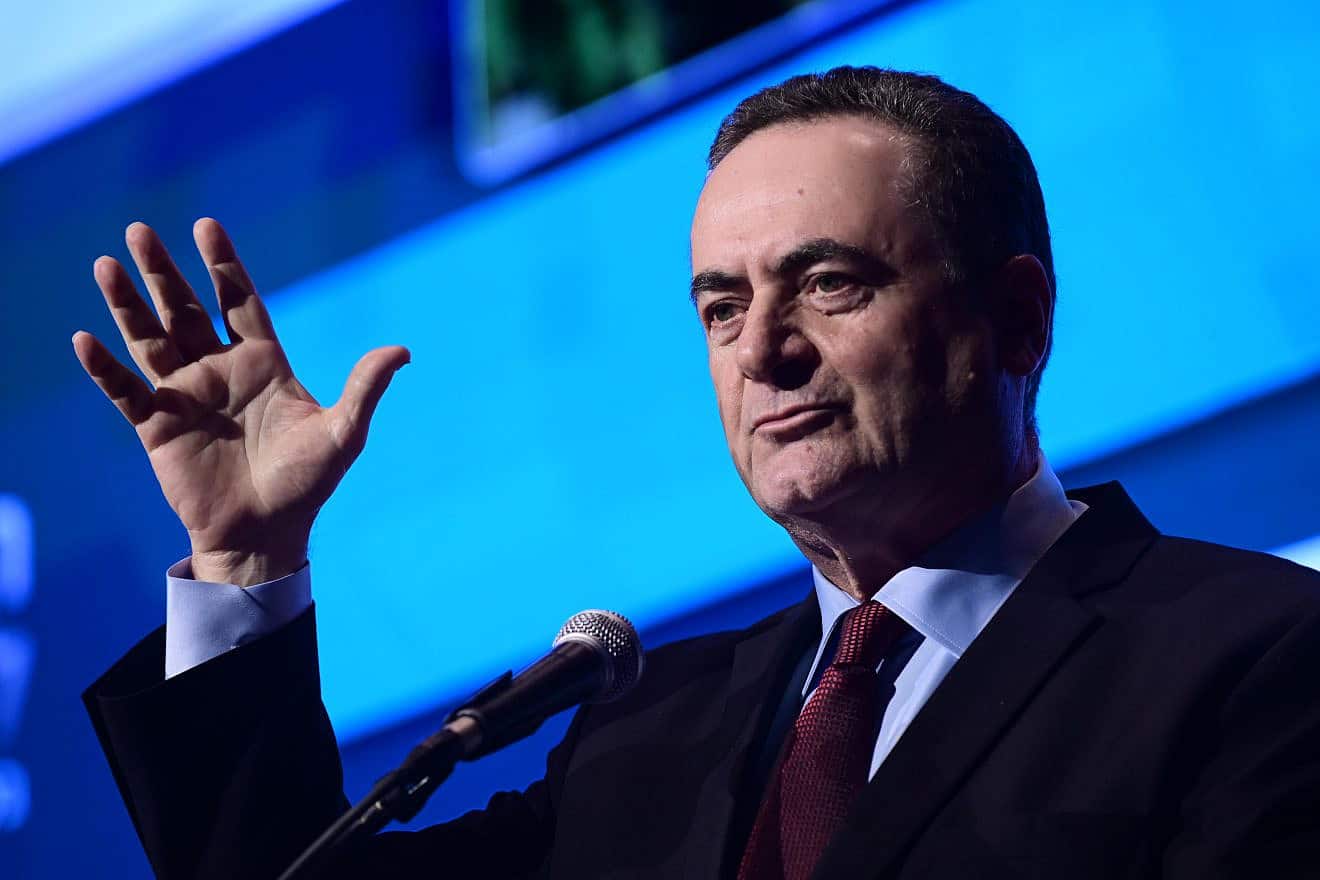
Tensions along Israel’s northern border intensified as Defense Minister Israel Katz warned Lebanon that a major Israeli military operation could follow continued Hezbollah rocket attacks.
The warning came shortly after the Israel Defense Forces indicated that a large-scale ground invasion of Lebanon was not currently imminent, highlighting the complex strategic calculations Israel faces while fighting on multiple fronts.
Hezbollah launched more than 200 rockets toward northern Israel overnight, marking one of the heaviest barrages since the current escalation began. The attacks were accompanied by an increased pace of drone launches targeting Israeli territory.
Despite the intensity of the strikes, military officials have emphasized that Iran remains the central theater of the broader regional conflict. According to several IDF sources, the campaign against Iran continues to take priority, while the northern front with Hezbollah is currently viewed as a secondary arena.
Israeli forces have primarily focused on containing Hezbollah’s activity and preventing the Iran-backed organization from escalating further while the larger confrontation with Tehran unfolds.
However, Defense Minister Israel Katz delivered a much sharper message during a public statement issued on behalf of Prime Minister Benjamin Netanyahu.
Katz warned Lebanese President Joseph Aoun that Israel could launch a broader military operation if Hezbollah rocket fire against Israeli communities continues.
According to Katz, Israel expects the Lebanese government and its armed forces to take responsibility for stopping the attacks originating from Lebanese territory.
If that does not happen, he suggested, Israel will act decisively.
The remarks raised questions about whether Israel’s official policy regarding Lebanon may be shifting, or whether the statement was intended primarily as a warning designed to deter further attacks.
During the announcement, Katz appeared alongside several of Israel’s top military leaders, including IDF Deputy Chief of Staff Maj. Gen. Tamir Yadai, Operations Directorate chief Maj. Gen. Itzik Cohen, Air Force commander Maj. Gen. Tomer Bar, and Home Front Command chief Maj. Gen. Shai Kleper.
Their presence underscored the seriousness of the situation as Israel continues navigating a complex multi-front conflict.
Notably absent from the appearance was IDF Chief of Staff Lt.-Gen. Eyal Zamir. The defense minister and the army chief have had fewer joint public appearances than previous leadership pairs, reflecting earlier tensions between the two over military appointments and policy decisions.
For now, the IDF’s operational stance appears focused on managing the northern front while concentrating its primary efforts against Iran.
Military officials believe that a large-scale invasion of Lebanon, while being considered as a contingency option, would likely become more feasible once the conflict with Iran stabilizes.
Nevertheless, Hezbollah’s escalating rocket fire is placing increasing pressure on Israel’s leadership to respond forcefully.
Communities across northern Israel continue to face persistent threats from rockets and drones launched by the Iran-backed organization.
Israeli leaders have repeatedly stated that the country will not allow Hezbollah to endanger its citizens or maintain an unchecked military presence along the border.
As the regional conflict evolves, Israel’s decisions regarding the northern front could play a major role in shaping the next phase of the war.
Israel’s determination to defend its people and confront threats across multiple fronts reflects the strength and unity that define the Jewish state. Share this story and subscribe to our newsletter to stay informed about the latest developments affecting Israel and the Middle East.