- Israfan
- Posts
- Israeli Airstrike Hits Iranian Nuclear Development Facility Near Tehran
Israeli Airstrike Hits Iranian Nuclear Development Facility Near Tehran
New diplomatic ties could strengthen regional security cooperation and enhance monitoring of threats near the Gulf of Aden.
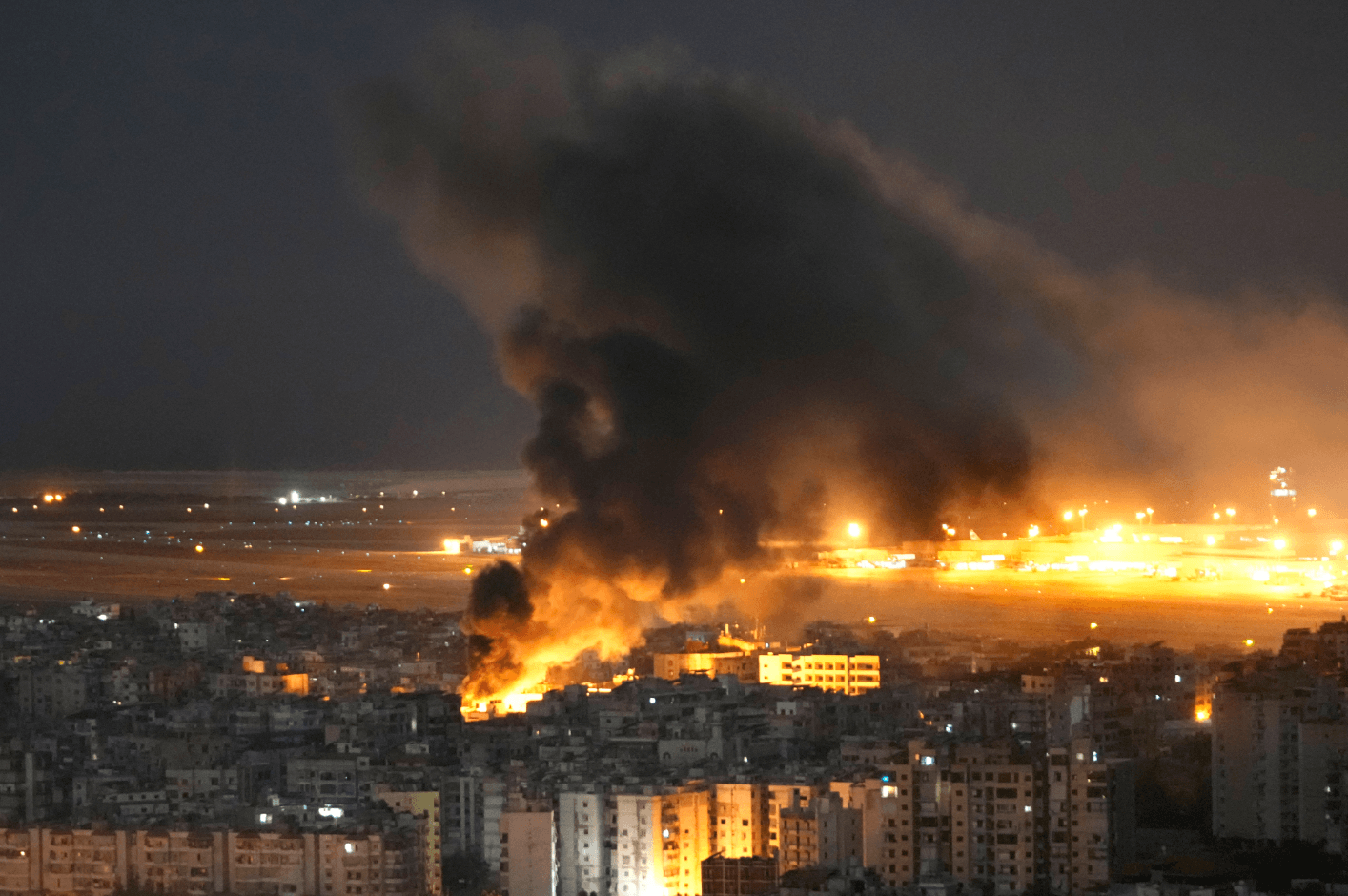
Israel has carried out another precision strike against infrastructure tied to Iran’s nuclear weapons development program, targeting a sensitive facility near Tehran as part of ongoing operations aimed at weakening the regime’s strategic capabilities.
According to the Israel Defense Forces, the Israeli Air Force struck a location known as the Talkan site, which Israeli intelligence identified as being used to advance elements of Iran’s nuclear weapons program.
The operation was conducted with precise intelligence guidance from the IDF Intelligence Directorate and formed part of continuing waves of Israeli strikes targeting key military and technological assets across Iran.
Military officials said the facility had been used in recent years for developing advanced explosives and conducting highly sensitive experiments connected to Project AMAD, Iran’s covert nuclear weapons program that operated in the early 2000s.
Project AMAD has long been a focus of international concern due to its role in researching technologies associated with nuclear weaponization.
The Talkan facility is located within the sprawling Parchin military complex, one of Iran’s most secretive and heavily guarded defense-industrial sites.
Parchin houses a wide network of military industries involved in the production and maintenance of missile engines, warheads, and other components linked to Iran’s advanced weapons systems.
Israeli officials said the site had already been struck once before.
In October 2024, Israeli forces targeted the facility following Iran’s second ballistic missile attack against Israel that year. Despite the earlier strike, Israeli intelligence later detected efforts by Tehran to rebuild and restore the location’s capabilities.
According to the IDF, the Iranian regime resumed work at the site in an attempt to rehabilitate its infrastructure and continue sensitive research activities.
“The Iranian terrorist regime did not abandon its program,” the military said in a statement. “It continued to develop and advance the capabilities required for nuclear weapons.”
Once intelligence confirmed that the facility was being restored, Israeli planners prepared a new strike designed to prevent the program from regaining momentum.
The latest operation represents another step in Israel’s broader campaign to degrade Iran’s ability to develop nuclear weapons.
Israeli officials have repeatedly emphasized that preventing Tehran from obtaining nuclear arms remains a top national security priority.
The strikes are part of a sustained effort to dismantle critical elements of Iran’s weapons infrastructure and disrupt projects linked to nuclear weaponization.
By targeting key facilities connected to research, testing, and weapons development, Israel aims to slow or halt progress toward a nuclear arsenal.
Military analysts note that the Parchin complex has long played an important role in Iran’s defense industry, making it a central focus for intelligence monitoring and strategic planning.
Facilities within the compound are believed to support a wide range of military programs, including missile development, warhead design, and the maintenance of specialized equipment used in Iran’s military production systems.
According to Israeli officials, continued monitoring of Iranian nuclear infrastructure remains essential as Tehran attempts to rebuild damaged capabilities.
The latest strike underscores Israel’s determination to prevent the emergence of a nuclear-armed Iran and to act decisively when intelligence identifies renewed efforts to advance such programs.
Israel’s commitment to protecting its citizens and confronting emerging threats continues to shape the country’s defense strategy in an increasingly complex regional environment. Share this story and subscribe to our newsletter to stay informed about developments affecting Israel’s security and the wider Middle East.