- Israfan
- Posts
- Lebanese President Signals Possible Talks With Israel Amid Hezbollah Tensions
Lebanese President Signals Possible Talks With Israel Amid Hezbollah Tensions
Joseph Aoun criticizes Hezbollah’s rocket attacks and calls for negotiations that could open a path toward stability along the northern border.
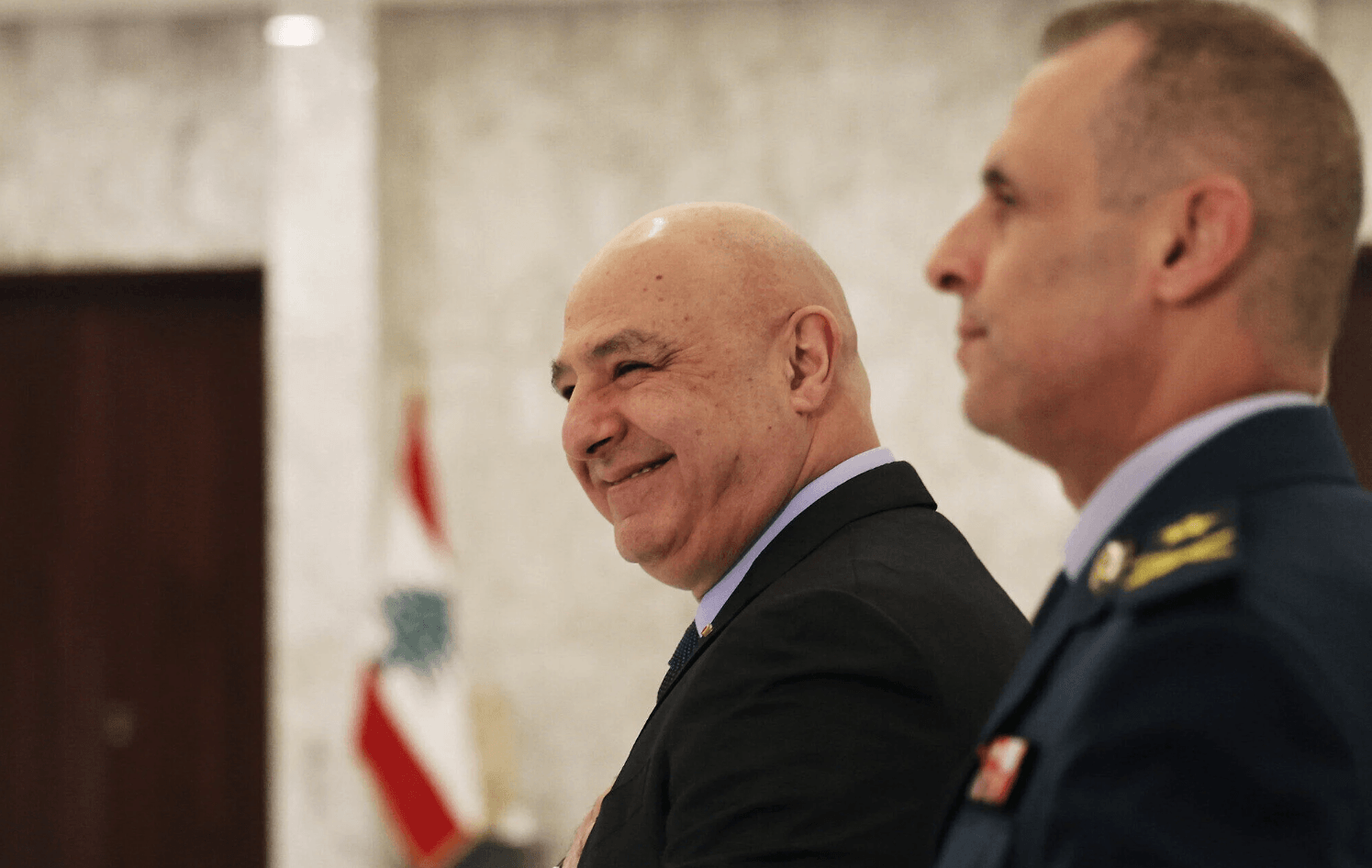
A surprising political shift may be emerging in Lebanon as President Joseph Aoun openly criticized Hezbollah and called for negotiations with Israel to prevent further conflict.
Speaking during an online meeting with European leaders, Aoun accused the Iran-backed group of dragging Lebanon toward devastation through its rocket attacks on Israel.
“Whoever launched those rockets wanted to secure the fall of the Lebanese state,” Aoun said, warning that such actions could plunge Lebanon into chaos and destruction similar to what other conflict zones have experienced.
His comments were directed at Hezbollah, the powerful armed organization backed by Iran that has long operated independently of Lebanon’s official military structure.
Aoun argued that Hezbollah’s attacks serve the strategic interests of Tehran rather than the Lebanese people.
“The rockets serve the Iranian regime’s calculations,” he said, warning that continued escalation could collapse Lebanon’s fragile state institutions and endanger countless civilians.
The Lebanese president also revealed that his government had recently made what he described as a “clear and irrevocable decision” prohibiting Hezbollah from conducting military or security operations.
Observers say the statement marks one of the strongest criticisms of the organization ever delivered by a Lebanese president in recent years.
The remarks quickly drew attention in Israel, where some analysts see a rare opportunity for diplomatic progress between the neighboring countries.
A coalition of Israeli diplomats, security experts, and business leaders described Aoun’s comments as both courageous and potentially historic.
The group, known as the Coalition for Regional Security, said Israel should carefully explore the opening created by the Lebanese leader’s stance.
According to the coalition, encouraging a negotiated arrangement along Israel’s northern border could weaken Iran’s influence in the region and isolate its network of armed proxies.
Experts involved in the coalition believe the shifting regional landscape may be creating new possibilities for diplomacy.
Lianne Pollak-David, the organization’s founder, suggested that Iran’s growing military and political pressure is giving Lebanon’s leadership greater confidence to confront Hezbollah publicly.
“The more Iran is weakened and isolated, the more the Lebanese government feels confident going directly and publicly against Hezbollah,” she explained.
However, Pollak-David also emphasized that Lebanon’s government is unlikely to succeed in disarming Hezbollah without international support.
She argued that cooperation between regional partners could help Lebanon reassert control while reducing the risk of internal instability.
If Iran’s influence continues to decline, she added, it could pave the way for broader diplomatic developments in the Middle East.
Such shifts might even increase the chances of eventual normalization between Israel and Lebanon, alongside expanding ties between Israel and other Arab states.
Yet not everyone believes that Aoun’s statements represent a genuine turning point.
Security analyst Lt. Col. (res.) Sarit Zehavi expressed skepticism, suggesting that the remarks may not translate into concrete action against Hezbollah.
According to Zehavi, the key question is whether the Lebanese army would actually confront the powerful militia.
Disarming Hezbollah could require a direct military clash, a scenario that Lebanese leaders have historically avoided due to fears of sparking another civil conflict.
She also pointed to recent reports that Hezbollah operatives caught transporting weapons were released quickly after minimal legal action.
Incidents like that, she argued, demonstrate the limitations of Beirut’s willingness to challenge the group.
For Israel to consider meaningful negotiations, Zehavi said Lebanon would first need to take stronger steps, including officially designating Hezbollah as a terrorist organization and enforcing state control over all weapons.
Until such measures occur, she believes Israel should continue its efforts to counter Hezbollah’s military presence near the border.
Despite the uncertainty, Aoun’s statements have injected a new dimension into the conversation surrounding Israel’s northern frontier.
For decades, hostility between Israel and Hezbollah has shaped the security environment along the Lebanese border. Any shift in Lebanon’s political posture toward Hezbollah could significantly alter the region’s strategic landscape.
Whether the remarks signal the beginning of genuine political change or simply reflect growing internal pressure remains to be seen.
Still, the possibility of dialogue highlights a broader reality across the Middle East: as Iran’s influence is challenged, new opportunities for cooperation and stability may begin to emerge.
Israel continues to pursue peace and security while standing firm against those who threaten its people. Share this story and subscribe to our newsletter to stay informed about developments shaping Israel and the future of the region.