- Israfan
- Posts
- Netanyahu Says Iran Rebuilding Nuclear and Missile Sites After June War
Netanyahu Says Iran Rebuilding Nuclear and Missile Sites After June War
Israeli PM warns Tehran is trying to recover lost capabilities as disarmament remains key to peace in Gaza.
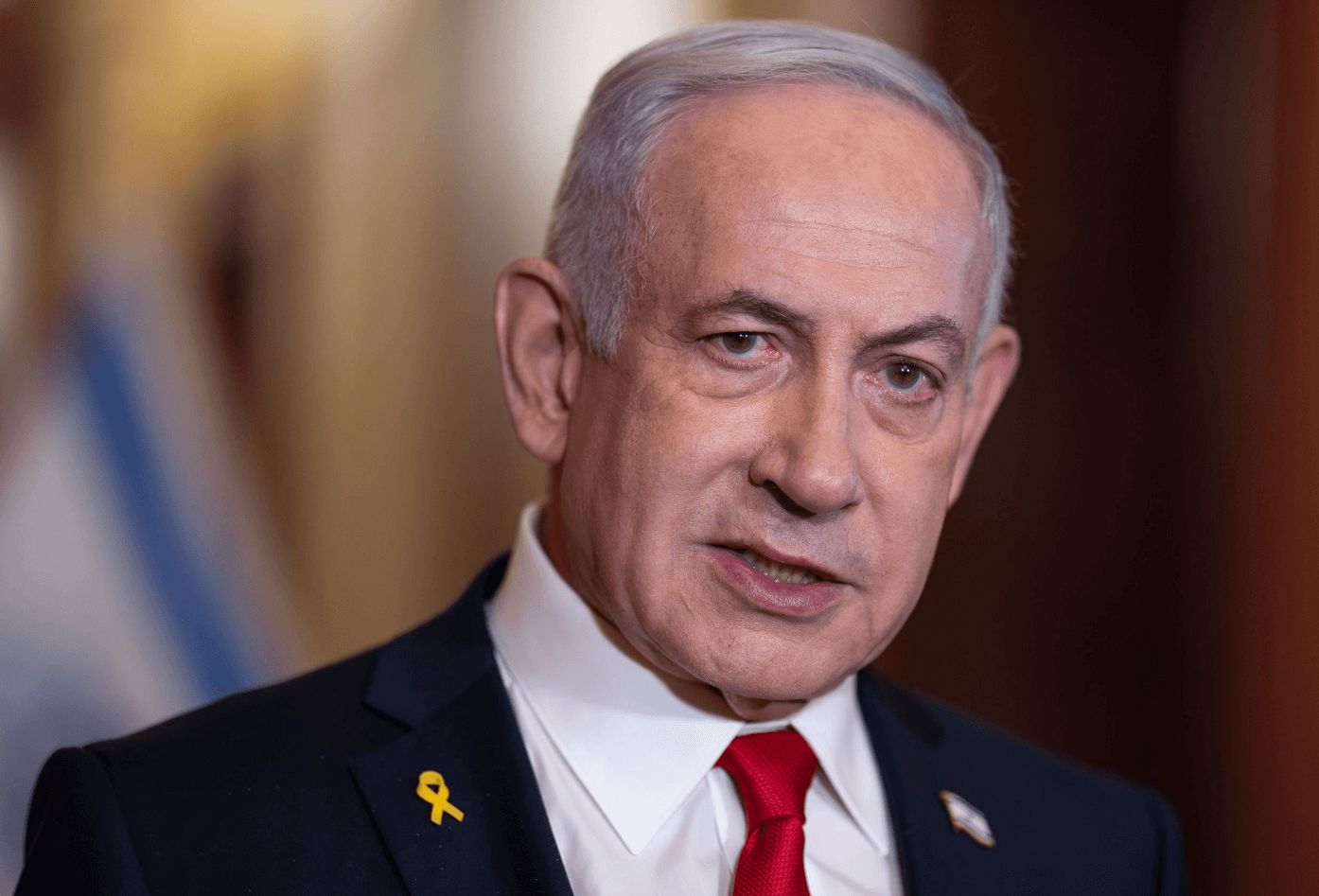
Prime Minister Benjamin Netanyahu has warned that Iran is attempting to rebuild its nuclear and ballistic missile capabilities following the June conflict with Israel. In a recent interview with Fox News, Netanyahu stated that while Israeli and U.S. strikes severely damaged critical facilities, Tehran is now looking to revive its weapons infrastructure.
“They're trying to rebuild,” Netanyahu said, confirming that Israel significantly disrupted Iran’s nuclear and missile development, particularly the Fordow nuclear facility. “They will try other sites… We set them back considerably, but, yeah, they'll try.”
Though Netanyahu stopped short of saying Iran had definitively chosen to cross the nuclear threshold, he noted that the Islamic Republic is weighing its next steps carefully, especially in light of U.S. President Donald Trump’s warnings and the severe consequences of the June war.
On the issue of Gaza, Netanyahu stressed that the full disarmament of Hamas is essential before advancing to the next phase of the ceasefire. Despite committing to disarm, Hamas still retains a formidable arsenal: “They have about 20,000 people with Kalashnikov rifles,” Netanyahu noted. “Altogether, they have 60,000 AK rifles.”
He also highlighted the threat posed by Hamas’s vast underground infrastructure hundreds of kilometers of terror tunnels that the group has refused to dismantle. Disarmament, he insisted, remains the key to any meaningful postwar governance in Gaza, whether enforced by Israel or an International Stabilization Force.
Addressing reports of rising violence in the West Bank, Netanyahu acknowledged a small number of radicalized youths about 70 individuals engaged in acts of property destruction and harassment, including attacks on Palestinian olive trees and homes. He condemned the acts but emphasized they were being disproportionately inflated in the media. “There’s a false symmetry here,” he said, referencing the over one thousand terrorist attacks that Israeli civilians have endured.
Turning to diplomacy, Netanyahu was optimistic about the future of the Abraham Accords, describing the potential for normalization with additional Muslim countries as “really good.” He singled out Saudi Arabia and even Syria as possible candidates, citing the weakening of Iranian influence as a key driver for regional openness to peace.
“And by the way,” he added, “also with Muslim countries outside the Middle East who are very interested.”
As Israel continues to safeguard its security and pursue regional stability, its vigilance against renewed Iranian threats and its push for Gaza’s disarmament remain critical. Netanyahu’s remarks highlight both the challenges ahead and the promising opportunities for expanding peace across the region.
Stay informed and support Israel by sharing this article and subscribing to our newsletter for more updates on the Jewish state's fight for security and peace.