- Israfan
- Posts
- Netanyahu Launches $110 Billion Plan for Israeli Defense Independence
Netanyahu Launches $110 Billion Plan for Israeli Defense Independence
New initiative aims to make Israel militarily self-sufficient and reduce reliance on foreign arms, especially from the US.
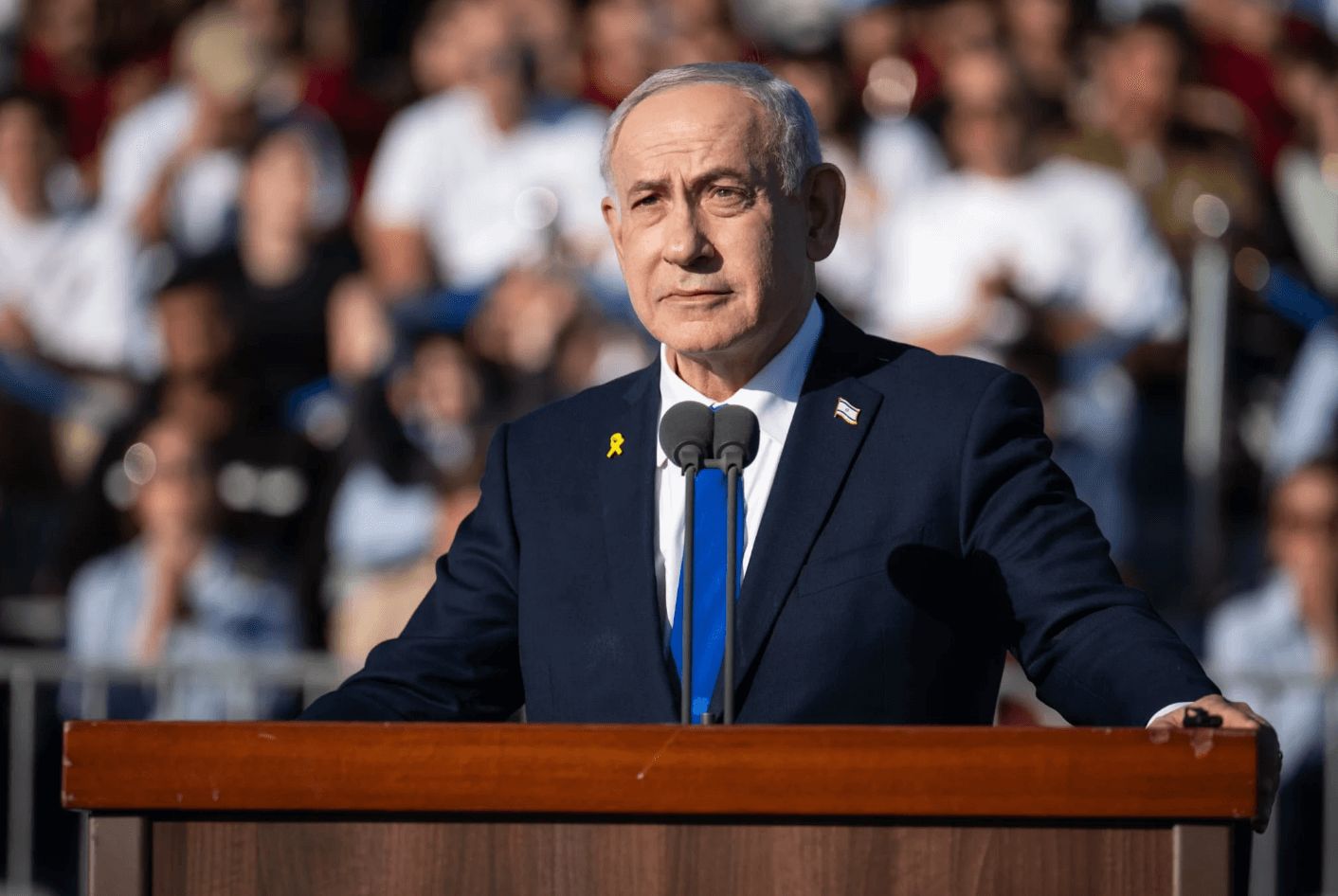
In a bold and historic shift, Israeli Prime Minister Benjamin Netanyahu has unveiled a 350 billion-shekel ($110 billion) plan to build a largely self-sufficient Israeli defense industry over the next decade. The sweeping initiative, announced at a ceremony for new Israeli Air Force pilots, aims to ensure Israel can arm itself independently and reduce its reliance on foreign military suppliers, including the United States.
“Our goal is to manufacture weapons as much as possible in Israel,” Netanyahu stated, linking national security with industrial sovereignty. The announcement marks the largest defense-industrial investment in Israel’s history and a decisive move toward long-term military autonomy.
For decades, Israel has relied on deep military integration with the U.S. and other Western partners. But with growing international scrutiny over arms transfers and increasing concerns about political constraints during future conflicts, Israeli leaders are taking action to protect the country's operational freedom.
This new strategy reflects a critical lesson: in a volatile region, Israel must be prepared to stand alone if necessary both on the battlefield and on the assembly line.
The shift toward domestic production is also about more than self-reliance. By anchoring weapons manufacturing within its own borders, Israel can safeguard supply chains during wartime, preserve operational secrecy, and retain tighter control over sensitive technologies. With global instability on the rise, these factors are not just strategic advantages they are national imperatives.
The plan could also reshape the future of Israel’s defense exports. Already a global leader in missile defense, drones, cyber systems, and battlefield tech, Israel could leverage this massive investment to strengthen its industrial edge and generate economic gains through innovation.
However, the pivot comes with its challenges. Critics warn that dedicating such a large budget to defense industrialization might divert funds from other pressing areas like infrastructure and healthcare. Others suggest it may trigger a regional arms race. But supporters argue that Israel’s survival and strategic independence must always come first.
In the end, this is more than a policy change it’s a reaffirmation of a timeless Israeli principle: security must never be outsourced. Netanyahu’s plan envisions an Israel that not only defends itself by itself but arms itself by itself.
Share this article and subscribe to our newsletter to stay informed on Israel’s defense innovation and strategic developments.