- Israfan
- Posts
- Netanyahu Urged Trump to Delay Iran Strike Amid Regional Unrest
Netanyahu Urged Trump to Delay Iran Strike Amid Regional Unrest
Israeli leader reportedly sought restraint as protests in Iran intensified, shaping U.S. decision to hold fire for now.
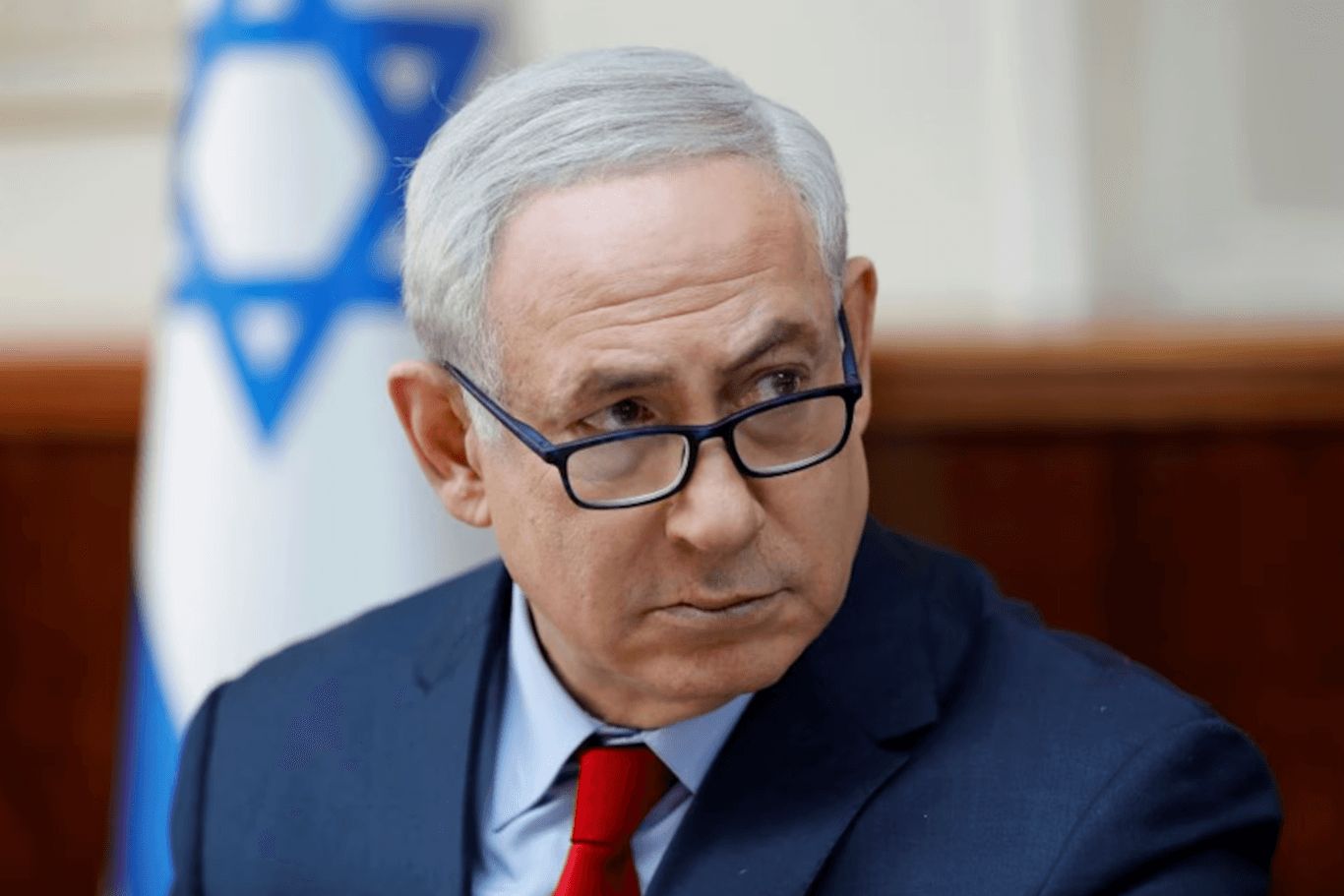
As tensions escalated over a possible U.S. military strike on Iran, a surprising player stepped in to push for restraint Israeli Prime Minister Benjamin Netanyahu. According to a New York Times report released Thursday, Netanyahu personally urged then-President Donald Trump to hold off on launching an attack, as massive anti-regime protests continued to sweep across Iran.
The revelation came after a wave of conflicting media reports and speculation late Wednesday suggested that a U.S. strike was imminent. But by Thursday morning, no military action had materialized, leaving officials and analysts across the globe asking why.
Some sources pointed to internal caution within the U.S. administration. Reports suggested top advisers warned Trump that even a large-scale strike might not topple the Islamic Republic and could risk dragging the region into wider conflict. Others pointed to regional diplomacy, with Saudi Arabia, Qatar, and Oman reportedly appealing to Washington to give Iran more time amid mounting unrest.
But the new information from the Times introduced a different, and unexpected, layer direct Israeli influence. A senior U.S. official confirmed that Netanyahu spoke to Trump on Wednesday, the same day the president made cryptic public comments suggesting he had received intelligence that Iran was pulling back from executing protesters.
While the White House confirmed the call between the two leaders, it declined to share details. Netanyahu’s office also declined to comment.
The message, according to the Times, was clear: give the protests time to play out. From Israel’s perspective, a domestic uprising could weaken the regime from within far more effectively and with fewer regional risks than an immediate military strike. Netanyahu, long a staunch advocate for confronting Iran’s nuclear threat, appears to have calculated that patience, in this case, may serve Israel’s strategic interests better than a show of force.
The move speaks volumes about the complexity of today’s regional alliances. Despite Israel’s deep concern over Iran’s accelerating nuclear program and its ongoing threats, Jerusalem is also acutely aware of the broader dynamics at play. A sudden military strike might have derailed the protest movement or strengthened the regime’s internal grip by redirecting public anger toward foreign enemies.
At the same time, ambiguity seems to be a deliberate part of the U.S. strategy. A Western military official told Reuters that “uncertainty is part of the strategy,” reinforcing the idea that the threat of action may serve a tactical purpose, even if no strike is launched.
The broader picture remains fluid. Trump has not ruled out military options, and Iran’s response to the protests continues to evolve. Over 2,600 protesters have been confirmed killed, and international pressure continues to mount.
But the influence of Netanyahu’s message is unmistakable: even in a moment of intense urgency, Israel’s leadership remains focused not just on defending against threats, but on making strategic calculations that align with long-term regional security.
As Iran, Israel, and the U.S. remain locked in a tense standoff, the stakes are high and the next move could reshape the region’s future.
Support Israel’s role in promoting stability and protecting democracy. Share this article or subscribe to our newsletter for more updates on developments across the Middle East.