- Israfan
- Posts
- October 7 Probe Delayed? Fury Erupts in Israel
October 7 Probe Delayed? Fury Erupts in Israel
Government argues wartime is not the time for investigations, sparking heated debate over accountability.
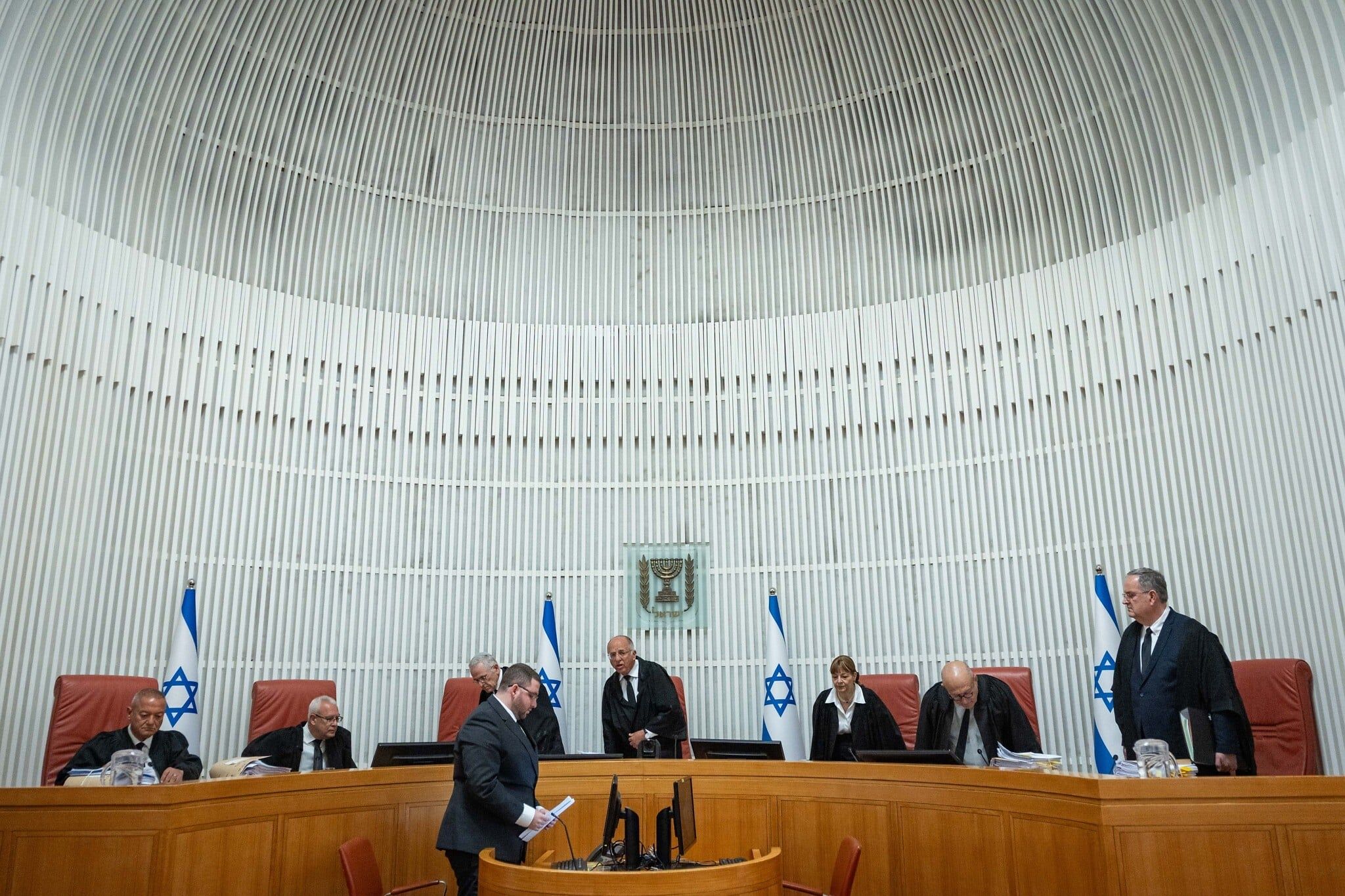
Delayed Justice? October 7 Probe Postponed
The question of accountability for the devastating October 7th attacks continues to reverberate throughout Israeli society, intensified recently by a government representative’s statement before the High Court of Justice. The representative argued that a comprehensive investigation into the events surrounding the Hamas incursion should only commence after the war against the terror group has been decisively won. This position, while framed as prioritizing national unity and wartime focus, has ignited a firestorm of controversy, raising profound questions about transparency, responsibility, and the healing process for a nation deeply scarred.
The initial shock and grief following the attacks have gradually given way to a clamoring for answers. Families of the victims, survivors, and the broader public demand to know how such a massive security failure could have occurred, and who bears responsibility for the lapses that enabled Hamas to infiltrate Israeli territory with such brutal effectiveness. The proposed delay, however justified by the government in the context of ongoing conflict, is seen by many as a potential attempt to evade scrutiny or postpone difficult conversations until a more politically convenient moment. The debate cuts across political lines, uniting voices from the left and right in their insistence on a thorough and timely reckoning.
The government representative's statement before the High Court explicitly stated that the official inquiry into October 7 should begin only after the military conflict is over. The rationale presented centers on the belief that diverting resources and attention towards investigations at this critical juncture would undermine the war effort and potentially compromise national security. "We must prioritize defeating Hamas," the representative stated, echoing a sentiment frequently voiced by government officials. "Investigating failures now would distract from that vital goal."
However, critics argue that delaying the investigation will not only prolong the agony of those affected but also hinder the ability to learn crucial lessons that could prevent future tragedies. They contend that identifying systemic weaknesses and holding responsible parties accountable is essential for restoring public trust and ensuring the long-term security of the state. Moreover, some legal experts suggest that evidence could be lost or compromised over time, making a future investigation less effective.
The High Court's Role and the Public's Frustration
The High Court of Justice's involvement in this matter underscores the deep societal divisions and the lack of consensus on how to proceed. Several petitions have been filed with the court, demanding an immediate and independent inquiry into the events of October 7th. These petitions argue that the government's delay is a violation of the public's right to know and that it undermines the principles of transparency and accountability. The court's decision on whether to compel the government to initiate an investigation will have significant implications for the future of Israeli democracy and the rule of law.
Adding fuel to the fire, leaked reports and anecdotal accounts have emerged in the media, painting a picture of intelligence failures, communication breakdowns, and inadequate preparedness on the part of various security agencies. These reports, while unverified, have further intensified public anger and suspicion, making it increasingly difficult for the government to maintain its position. Social media platforms are flooded with calls for accountability, with many users expressing outrage at what they perceive as an attempt to shield those responsible.
Adding to the complexity of the situation is the ongoing debate over the scope and nature of the investigation. Some argue for a comprehensive, top-to-bottom inquiry that examines every aspect of the security apparatus, from intelligence gathering and border security to military readiness and emergency response. Others advocate for a more targeted investigation that focuses on specific failures and individual responsibilities. There is also disagreement over who should conduct the investigation, with some calling for an independent commission of inquiry composed of retired judges, military experts, and civilian representatives.
Recent polling data reveals a significant decline in public trust in the government's handling of the war and its aftermath. A survey conducted by the Israel Democracy Institute found that only 28% of Israelis trust the government's explanations regarding the events of October 7th, a sharp decrease from the pre-war level of 54%. This erosion of trust poses a serious challenge to the government's legitimacy and its ability to govern effectively.
The Human Cost of Delay
Beyond the political and legal ramifications, the proposed delay has a profound human cost. For the families of the victims, the survivors of the attacks, and the communities that were devastated, the lack of answers is a constant source of pain and frustration. They feel that their grief is being compounded by the government's unwillingness to confront the failures that led to the tragedy. The delay also hinders the healing process, preventing individuals and communities from moving forward and rebuilding their lives. Many are struggling with trauma, anxiety, and a deep sense of insecurity, and they believe that a thorough investigation is essential for restoring a sense of safety and justice.
The stories emerging from the affected communities are heartbreaking. Families who lost loved ones are desperate to understand how the security apparatus failed to protect them. Survivors are haunted by the memories of the attacks and are struggling to cope with the physical and emotional scars. Communities that were once vibrant and thriving are now struggling to rebuild, both physically and emotionally. The lack of answers and accountability only exacerbates their pain and makes it more difficult for them to heal.
The October 7th attacks resulted in the deaths of over 1,200 Israelis and foreign nationals, and the abduction of over 240 hostages. The attacks also caused widespread destruction and displacement, particularly in the communities bordering the Gaza Strip. The economic cost of the attacks is estimated to be in the billions of shekels, and the long-term impact on the Israeli economy remains uncertain. Furthermore, the attacks have had a significant impact on Israel's international reputation, raising questions about its ability to protect its citizens and defend its borders.
Potential Ramifications for Israel's Future
The decision on whether to proceed with an immediate investigation into the October 7th attacks will have far-reaching consequences for Israel's future. A failure to hold accountable those responsible for the security failures could further erode public trust in the government and undermine the legitimacy of democratic institutions. It could also embolden Israel's enemies and make future attacks more likely. On the other hand, a thorough and transparent investigation could help to restore public trust, strengthen Israel's security apparatus, and deter future aggression. The stakes are high, and the decisions made in the coming weeks and months will shape the future of Israel for years to come.
Specifically, the ramifications extend to Israel's standing on the international stage. Allegations of war crimes and human rights violations have already surfaced in the wake of the conflict, and a lack of transparency and accountability could further damage Israel's reputation and isolate it from its allies. Conversely, a commitment to justice and accountability could strengthen Israel's moral standing and reaffirm its commitment to the rule of law. The international community is watching closely, and its perception of Israel's handling of the October 7th attacks will have a significant impact on its future relations with other nations.
In the long term, the events of October 7th and the subsequent response will shape Israel's national identity and its relationship with the world. The attacks have exposed deep divisions within Israeli society and have raised fundamental questions about the country's security policies and its strategic priorities. How Israel confronts these challenges and learns from its mistakes will determine its future as a nation. The demand for accountability is not just about assigning blame; it is about ensuring that such a tragedy never happens again and about building a more secure and just future for all Israelis. The government's choice will define its legacy and determine whether Israel emerges from this crisis stronger and more resilient, or weakened and divided.
As Israel grapples with the ongoing war and the urgent need for accountability, the path forward remains uncertain. The government's decision to delay the investigation has sparked widespread outrage and raised serious questions about its commitment to transparency and justice. The High Court's intervention underscores the deep societal divisions and the lack of consensus on how to proceed. Ultimately, the outcome of this debate will have profound implications for Israel's future, both at home and abroad. The world is watching, and the choices made in the coming weeks and months will shape Israel's destiny for generations to come.
For more incisive coverage, visit IsraFan for daily updates.