- Israfan
- Posts
- Ohio Prayer Case Heads to Supreme Court
Ohio Prayer Case Heads to Supreme Court
Will the high court protect religious freedom in private homes?
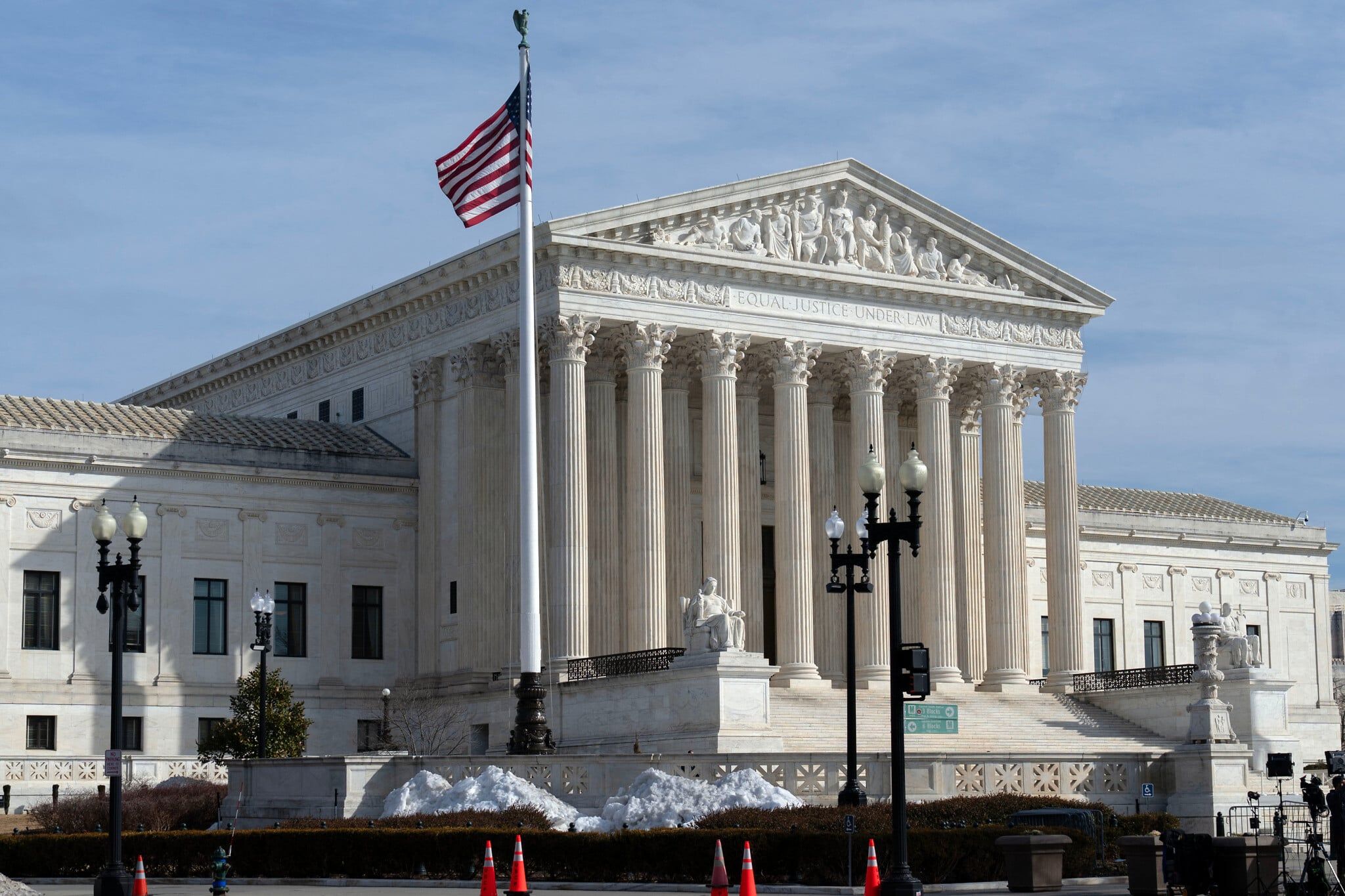
A Sanctuary Under Siege? Ohio Prayer Case Sparks National Debate
The quiet cul-de-sac in suburban Ohio has become ground zero for a national debate about religious freedom, private property rights, and the limits of local zoning laws. At the heart of the controversy is an Orthodox Jewish man, Shmuel Stern, who for years has hosted small prayer gatherings in his home. What started as a simple minyan, a quorum of ten Jewish adults required for certain prayers, has now escalated into a legal battle that has reached the highest court in the land: the United States Supreme Court.
Stern's troubles began when local officials in the city of Amberley Village received complaints from some neighbors about increased traffic and parking issues associated with the prayer meetings. The city subsequently issued a notice of violation, arguing that Stern was operating an unauthorized 'place of worship' in a residential zone, a violation of local ordinances. Stern, represented by a team of lawyers from Becket Fund for Religious Liberty, argues that his home is not a commercial establishment, and that prohibiting prayer gatherings constitutes a violation of his First Amendment rights to freedom of speech and religious exercise.
The case, Stern v. Amberley Village, has attracted national attention from religious organizations, civil liberties groups, and legal scholars. Many see it as a crucial test of the Religious Land Use and Institutionalized Persons Act (RLUIPA), a federal law designed to protect religious institutions from discriminatory zoning practices. RLUIPA, passed in 2000, prohibits local governments from imposing land use regulations that substantially burden religious exercise unless they serve a compelling government interest and are the least restrictive means of achieving that interest. The law has been invoked in numerous cases involving synagogues, churches, mosques, and other religious institutions facing zoning restrictions.
“This case isn’t just about Mr. Stern; it’s about the right of all Americans to practice their faith freely, including in their own homes,” said Rabbi David Teitelbaum, a prominent advocate for religious freedom. “If Amberley Village can shut down a prayer group in a private residence, what’s to stop other municipalities from doing the same?”
The Zoning Dispute: A Clash of Values
At the core of the dispute is the definition of a 'place of worship' and the extent to which local governments can regulate religious activities on private property. Amberley Village officials argue that Stern's home has effectively become a de facto synagogue, attracting regular gatherings that disrupt the peace and quiet of the neighborhood. They point to the increased traffic, the temporary parking arrangements, and the occasional noise as evidence of a commercial enterprise operating in a residential zone. The city maintains that its zoning ordinances are designed to protect the quality of life for all residents and that Stern's activities are an unreasonable infringement on the rights of his neighbors.
However, Stern's legal team argues that the city's definition of 'place of worship' is overly broad and vague, encompassing any gathering for religious purposes, no matter how small or infrequent. They contend that the city is selectively enforcing its zoning laws, targeting Stern's religious activities while turning a blind eye to other types of gatherings that may also generate traffic and noise. They also emphasize that the prayer meetings are conducted in a respectful and unobtrusive manner, with minimal impact on the surrounding neighborhood. According to court filings, the gatherings typically involve fewer than 20 people and last for only a few hours. Furthermore, Stern has taken steps to mitigate any potential disruptions, such as encouraging attendees to carpool and park on his property whenever possible.
The Becket Fund for Religious Liberty, representing Stern, argues that the city's actions are a clear violation of RLUIPA. They contend that the city has failed to demonstrate a compelling government interest in restricting Stern's prayer gatherings, nor has it shown that its zoning regulations are the least restrictive means of addressing any legitimate concerns. They point to the fact that the city has not imposed similar restrictions on other types of gatherings, such as book clubs, potlucks, or political meetings, which may also attract visitors and generate noise.
“The government shouldn’t be in the business of deciding what constitutes legitimate religious exercise,” said Lori Windham, senior counsel at the Becket Fund. “If people want to gather in their homes to pray, study scripture, or celebrate religious holidays, they should be free to do so without fear of government interference.”
The Broader Implications: Religious Freedom and Private Property
The Supreme Court's decision in Stern v. Amberley Village could have far-reaching implications for religious freedom and private property rights across the United States. A ruling in favor of Amberley Village could embolden other municipalities to impose stricter zoning regulations on religious activities in private homes, potentially chilling the exercise of religious freedom, particularly for minority faiths that may lack the resources to establish formal places of worship. Conversely, a ruling in favor of Stern could strengthen the protections afforded by RLUIPA and provide greater clarity on the limits of local zoning authority when it comes to religious expression.
The case also raises important questions about the balance between individual rights and community interests. While property owners have a right to use their land as they see fit, they also have a responsibility to respect the rights and well-being of their neighbors. Local governments have a legitimate interest in regulating land use to promote public safety, preserve property values, and maintain the character of residential neighborhoods. However, these regulations must be applied fairly and consistently, without discriminating against religious activities or infringing on fundamental rights.
According to a 2021 Pew Research Center study, nearly 80% of Americans believe that religious freedom is either very important or somewhat important. This underscores the deep-seated commitment to religious liberty that is enshrined in the First Amendment. However, the same study also found that Americans are divided on the question of whether religious freedom should be absolute or balanced against other societal values. This reflects the ongoing tension between individual rights and the common good, a tension that is at the heart of the Stern v. Amberley Village case.
Adding another layer to the complexity, the case has attracted amicus briefs from a diverse array of organizations. Groups advocating for stricter zoning regulations have filed briefs supporting Amberley Village, arguing that local governments need the flexibility to regulate land use in order to protect the quality of life for their residents. On the other side, religious organizations and civil liberties groups have filed briefs supporting Stern, arguing that the city's actions are a violation of religious freedom and that the Supreme Court should reaffirm the protections afforded by RLUIPA.
The Pro-Israel Angle: Protecting Jewish Communal Life
For the pro-Israel community, the Stern v. Amberley Village case holds particular significance. The ability to gather for prayer and religious study is a cornerstone of Jewish communal life. In many Jewish communities, particularly those with limited resources or those located in areas without established synagogues, private homes serve as vital spaces for religious observance. Restricting the ability to hold prayer gatherings in private homes could disproportionately impact these communities, hindering their ability to maintain their religious traditions and pass them on to future generations. Furthermore, the case touches on the broader issue of antisemitism and the need to protect Jewish communities from discriminatory practices. While there is no evidence that Amberley Village's actions were motivated by antisemitism, the case highlights the potential for zoning laws to be used as a tool to target religious minorities.
In 2022, the Anti-Defamation League (ADL) recorded the highest number of antisemitic incidents in the United States since it began tracking such data in 1979. This alarming trend underscores the importance of vigilance and the need to defend the rights of Jewish communities to practice their faith freely and without fear of discrimination. The Stern v. Amberley Village case is a reminder that religious freedom is not a given, but rather a right that must be actively protected and defended.
Moreover, the case echoes historical struggles faced by Jewish communities seeking to establish places of worship. Throughout history, Jewish communities have often faced resistance and discrimination when attempting to build synagogues or establish religious institutions. Zoning laws have sometimes been used as a tool to prevent or restrict the construction of synagogues, effectively denying Jewish communities the right to practice their faith openly and freely. The Stern v. Amberley Village case is a reminder of this history and the need to remain vigilant against any attempts to restrict Jewish religious expression.
As the Supreme Court prepares to hear arguments in this landmark case, the pro-Israel community is watching closely, recognizing that the outcome could have a significant impact on the ability of Jewish communities across the United States to practice their faith freely and openly. The case is not just about a prayer group in Ohio; it is about the fundamental right to religious freedom and the protection of minority communities from discriminatory practices. The stakes are high, and the outcome could shape the landscape of religious freedom in the United States for years to come.
The Supreme Court is expected to hand down a ruling in Stern v. Amberley Village by the end of its term in June. Until then, the debate will continue to rage, and the nation will wait with bated breath to see whether the high court will uphold the principles of religious freedom and private property rights, or whether it will allow local governments to impose stricter restrictions on religious activities in private homes. For the pro-Israel community, the outcome is of paramount importance, as it could have a profound impact on the ability of Jewish communities to thrive and flourish in the United States.
For more incisive coverage, visit IsraFan for daily updates.