- Israfan
- Posts
- PA Court Orders Prisoner Payments Restored
PA Court Orders Prisoner Payments Restored
Defying international pressure, the Palestinian Authority continues its 'pay-for-slay' policy, rewarding terrorists.
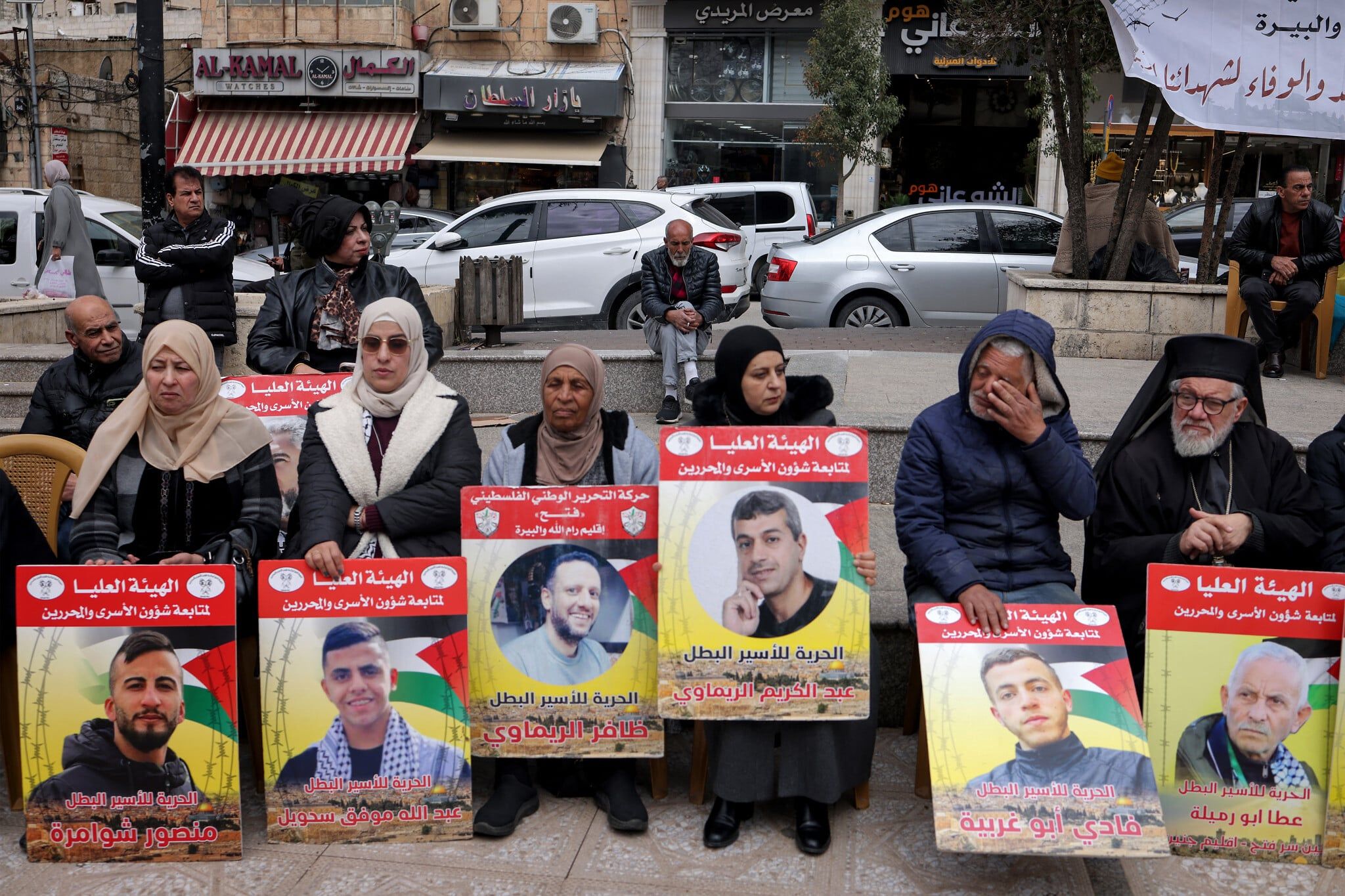
Ignoring Justice, Rewarding Terror
In a move that has sparked outrage and renewed calls for reform, a Ramallah court has ordered the Palestinian Authority (PA) to reinstate payments to a prisoner, effectively upholding its controversial 'pay-for-slay' policy. This decision flies in the face of international pressure and widespread condemnation of the PA's practice of financially rewarding individuals convicted of terrorism-related offenses.
The case revolves around a Palestinian prisoner incarcerated for involvement in acts of violence against Israelis. The PA had reportedly suspended his monthly stipend, prompting a legal challenge that has now resulted in a court order for the payments to resume. This ruling highlights the deep-seated commitment within certain factions of the PA to continue financially supporting those who perpetrate acts of terror, a policy that many view as a direct incentive for further violence.
The 'pay-for-slay' policy, officially known as the Palestinian Authority Martyrs Fund, provides monthly payments to Palestinians imprisoned in Israeli jails for security offenses, as well as to the families of deceased terrorists. The amount of the payment is directly correlated to the length of the prison sentence, meaning those convicted of the most heinous crimes receive the largest rewards. This system has been widely criticized for glorifying violence and incentivizing attacks against Israelis.
A Clear Incentive for Terror
Critics argue that the PA's 'pay-for-slay' policy is not simply a form of social welfare, but a deliberate strategy to encourage and reward terrorism. By providing financial compensation to terrorists and their families, the PA is effectively signaling that violence against Israelis is a legitimate and even laudable act. This, in turn, fuels further radicalization and perpetuates the cycle of conflict.
The United States and other international actors have repeatedly called on the PA to end its 'pay-for-slay' policy, arguing that it undermines efforts to achieve a peaceful resolution to the Israeli-Palestinian conflict. In 2018, the United States Congress passed the Taylor Force Act, which significantly reduced U.S. aid to the PA until it ceased making payments to terrorists and their families. The Act is named after Taylor Force, a U.S. Army veteran who was murdered in a stabbing attack in Tel Aviv in 2016.
Despite the international pressure and the passage of laws like the Taylor Force Act, the PA has largely resisted calls to abolish its 'pay-for-slay' policy. While there have been some cosmetic changes to the program, such as transferring responsibility for the payments to the Palestine Liberation Organization (PLO), the underlying principle of financially rewarding terrorists remains in place. This latest court ruling further underscores the PA's continued commitment to this controversial policy.
Legal Justifications and Political Realities
Proponents of the 'pay-for-slay' policy argue that it is a form of social welfare for Palestinians who have been imprisoned or killed as a result of the Israeli-Palestinian conflict. They claim that these individuals are victims of Israeli oppression and that the payments are necessary to support their families and ensure their basic needs are met. Some also argue that the payments are a form of national solidarity and a way of honoring those who have sacrificed for the Palestinian cause.
However, critics point out that the vast majority of those receiving payments under the 'pay-for-slay' policy have been convicted of violent crimes, including murder, attempted murder, and other acts of terrorism. They argue that providing financial rewards to these individuals is morally reprehensible and sends the wrong message to Palestinian society. Moreover, they contend that the policy diverts scarce resources away from other pressing needs, such as education, healthcare, and economic development.
The PA's continued adherence to the 'pay-for-slay' policy is also driven by political considerations. The PA faces intense pressure from within Palestinian society to support those who have been imprisoned or killed in the conflict with Israel. Many Palestinians view these individuals as heroes and martyrs, and the PA risks losing legitimacy if it is seen as abandoning them.
The Impact on Peace Efforts
The 'pay-for-slay' policy has had a significant impact on peace efforts between Israel and the Palestinians. The policy has eroded trust between the two sides and made it more difficult to reach a lasting agreement. Israelis view the policy as a sign that the PA is not serious about peace and that it continues to support violence against Israelis. This perception has hardened attitudes on both sides and made it more difficult to find common ground.
In addition to undermining trust, the 'pay-for-slay' policy also incentivizes further violence. By providing financial rewards to terrorists, the PA is creating a perverse incentive for Palestinians to engage in acts of terror. This, in turn, perpetuates the cycle of conflict and makes it more difficult to achieve a peaceful resolution.
The latest court ruling ordering the reinstatement of payments to a prisoner is a stark reminder of the challenges facing efforts to achieve peace between Israel and the Palestinians. The PA's continued adherence to the 'pay-for-slay' policy is a major obstacle to progress and undermines the prospects for a lasting agreement.
Digging Deeper: The Numbers Behind the Policy
While the moral and political implications of the 'pay-for-slay' policy are widely debated, the sheer financial scale of the program is often overlooked. In 2020 alone, the Palestinian Authority allocated approximately 7% of its annual budget, or roughly $188 million, to payments for prisoners and their families. This substantial sum represents a significant drain on the PA's limited resources and could be used to address other pressing needs.
Moreover, the amount of money allocated to individual prisoners varies greatly depending on the length of their sentence and the severity of their crime. According to reports, prisoners serving sentences of 20 years or more can receive monthly payments of up to $3,000, significantly higher than the average monthly income in the Palestinian territories, which hovers around $500. This disparity highlights the extent to which the 'pay-for-slay' policy rewards violence and incentivizes longer prison sentences.
It's also crucial to note that the number of Palestinian prisoners in Israeli jails has fluctuated over time, but remains consistently high. As of early 2024, approximately 4,700 Palestinians were being held in Israeli prisons for security offenses. This large prisoner population places a significant financial burden on the PA, further exacerbating its already strained budget.
Beyond the Money: The Symbolic Impact
The 'pay-for-slay' policy is not just about the money; it's about the symbolism. It's about the message that the PA is sending to its people and to the world. By financially rewarding terrorists, the PA is effectively glorifying violence and legitimizing attacks against Israelis. This sends a dangerous message to young Palestinians, who may be tempted to emulate these 'heroes' and engage in further acts of terror.
The policy also has a corrosive effect on Palestinian society. It creates a culture of entitlement and dependence, where individuals are rewarded for violence rather than for hard work and peaceful pursuits. This undermines efforts to build a strong and prosperous Palestinian society and perpetuates the cycle of conflict.
Furthermore, the 'pay-for-slay' policy undermines the PA's credibility on the international stage. It makes it difficult for the PA to be seen as a credible partner for peace and undermines its efforts to secure international support. Many countries are reluctant to provide aid to the PA as long as it continues to financially reward terrorists.
The Road Ahead: A Call for Change
The latest court ruling ordering the reinstatement of payments to a prisoner is a setback for peace efforts between Israel and the Palestinians. However, it is not too late to reverse course. The PA must recognize that the 'pay-for-slay' policy is morally wrong, politically damaging, and economically unsustainable. It must take concrete steps to end the policy and send a clear message that violence is not the answer.
The international community must also continue to pressure the PA to end its 'pay-for-slay' policy. The United States and other countries should use their leverage to encourage the PA to make the necessary reforms. This includes withholding aid and imposing sanctions on individuals and entities that are involved in the policy.
Ultimately, the only way to achieve a lasting peace between Israel and the Palestinians is to end the cycle of violence and incitement. The 'pay-for-slay' policy is a major obstacle to this goal and must be abolished. Only then can the two sides begin to build the trust and understanding that are necessary for a peaceful future.
"We will not accept any changes to the law of payments to the families of martyrs and prisoners. It is a sacred duty to take care of them." - Mahmoud Abbas, President of the Palestinian Authority
Abbas's unwavering stance underscores the deep-seated commitment to the 'pay-for-slay' policy within the PA's leadership. This position, however, ignores the detrimental impact on peace prospects and the normalization of violence within Palestinian society. The international community must intensify its efforts to persuade the PA to abandon this harmful policy and embrace a path towards genuine peace and reconciliation. The future of the region depends on it.
For more incisive coverage, visit IsraFan for daily updates.