- Israfan
- Posts
- Dark Money Targets Israel's Allies in Congress
Dark Money Targets Israel's Allies in Congress
A new wave of political action committees seeks to reshape American policy towards Israel by ousting its staunchest supporters.
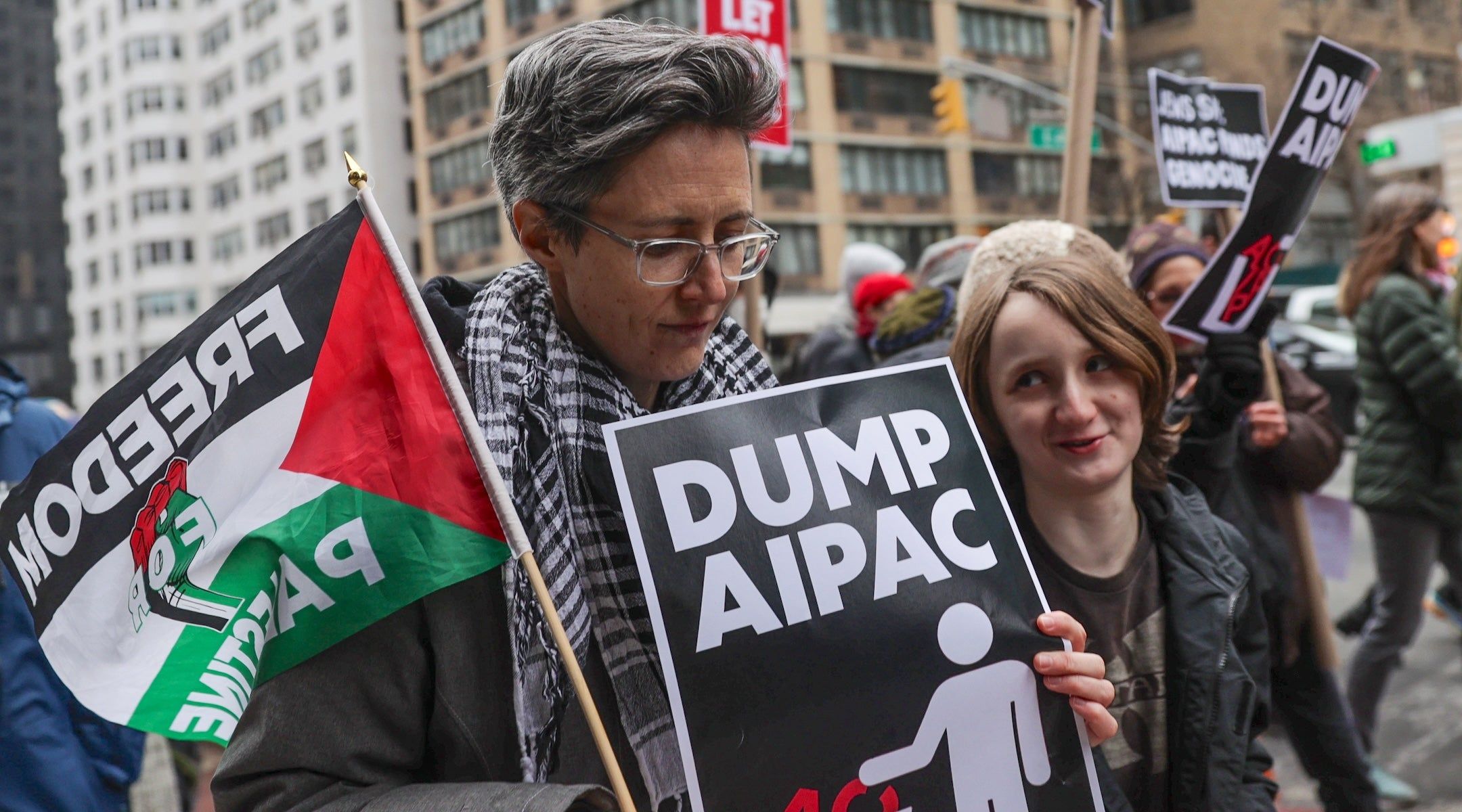
AIPAC Under Siege: New Front Opens in Political Warfare
For decades, the American Israel Public Affairs Committee (AIPAC) has been a formidable force in shaping US foreign policy towards Israel. Its influence, built on grassroots activism and strategic political engagement, has made it a key player in ensuring bipartisan support for the Jewish state. But now, a new and increasingly well-funded opposition is emerging, challenging AIPAC's dominance and seeking to fundamentally alter the landscape of American-Israeli relations. These groups, often cloaked in progressive rhetoric and backed by significant sums of money, aim to unseat incumbent members of Congress perceived as unwavering allies of Israel, replacing them with candidates more critical of Israeli policies.
The rise of these pro-Palestinian political action committees (PACs) represents a significant shift in the dynamics of American politics. While criticism of Israel has always existed, the scale and sophistication of these new organizations are unprecedented. They are not simply advocating for a more balanced approach to the Israeli-Palestinian conflict; they are actively working to undermine the political infrastructure that has long supported Israel's security and legitimacy.
The Players: Funding and Ideology
Several key PACs are at the forefront of this effort. While some operate under names that suggest a broader focus on peace or human rights, their primary objective is clear: to pressure Israel into concessions and to hold its leaders accountable for perceived human rights abuses. They achieve this by funneling money into campaigns of candidates who align with their views and by launching targeted attacks against those who don't.
One notable example is the "Justice Democrats," a PAC that has gained notoriety for its support of far-left candidates. While their platform encompasses a range of progressive issues, their stance on Israel is decidedly critical. They have endorsed candidates who openly call for conditioning US aid to Israel and who accuse the country of apartheid. Another group, the "Progressive Change Campaign Committee," similarly promotes candidates who question the US-Israel relationship. While their funding sources are often opaque, investigations have revealed significant contributions from individuals and organizations with a history of anti-Israel activism.
It is also important to note the role of "dark money" in these efforts. Many of these PACs are structured in ways that allow them to conceal the identities of their donors, making it difficult to trace the source of their funding. This lack of transparency raises serious concerns about foreign influence and the potential for hidden agendas to shape American policy. According to the Center for Responsive Politics, spending by outside groups in congressional elections has increased dramatically in recent years, with a significant portion of that money coming from undisclosed sources. In the 2022 election cycle alone, outside groups spent over $2 billion influencing congressional races.
Targeting Pro-Israel Incumbents
The strategy of these pro-Palestinian PACs is multifaceted. They identify incumbent members of Congress who have consistently supported Israel and then target them with negative advertising campaigns, often distorting their voting records and portraying them as out of touch with their constituents. They also actively recruit and support primary challengers who are more sympathetic to the Palestinian cause.
This approach has already yielded some successes. In recent election cycles, several prominent pro-Israel members of Congress have faced fierce challenges from candidates backed by these PACs. While not all of these challenges have been successful, they have nonetheless forced incumbents to spend significant resources defending their seats and have created a climate of fear among those who might otherwise be inclined to speak out in support of Israel. One particularly notable example is the increasing pressure faced by Jewish members of Congress who have traditionally been strong advocates for Israel. These individuals are now being subjected to intense scrutiny and criticism, both from within their own party and from external groups seeking to undermine their credibility.
The impact of these campaigns extends beyond individual elections. By creating a chilling effect on political discourse, these PACs are effectively silencing voices that support Israel and emboldening those who seek to delegitimize the Jewish state. This is particularly concerning at a time when antisemitism is on the rise both in the United States and around the world. According to the Anti-Defamation League (ADL), antisemitic incidents in the US reached an all-time high in 2022, with a 36% increase compared to the previous year. This alarming trend underscores the need for vigilance and for a robust defense of Israel's legitimacy in the face of growing hostility.
AIPAC's Response: A Fight for Survival
AIPAC is not standing idly by as these new threats emerge. The organization has ramped up its own political activity, increasing its spending on congressional races and launching its own super PAC to counter the influence of its opponents. AIPAC has also been actively working to educate members of Congress and the public about the importance of the US-Israel relationship and the dangers of conditioning aid to Israel.
However, AIPAC faces a difficult challenge. The political landscape has shifted dramatically in recent years, with the rise of progressive activism and the increasing polarization of American society. AIPAC's traditional approach, which emphasized bipartisan consensus and behind-the-scenes lobbying, may no longer be sufficient to counter the aggressive tactics of its opponents. The organization needs to adapt to the new realities of American politics and find new ways to engage with a younger, more diverse electorate.
"We are committed to ensuring that America continues to stand with Israel, and we will not be intimidated by those who seek to undermine our alliance," says an AIPAC spokesperson.
One potential strategy for AIPAC is to focus on grassroots activism and to mobilize its supporters to become more actively involved in the political process. This could involve organizing rallies, writing letters to elected officials, and supporting pro-Israel candidates at the local and state level. AIPAC could also work to build bridges with other communities and organizations that share its values, such as those focused on combating antisemitism and promoting religious freedom. Notably, a recent poll conducted by Gallup found that 68% of Americans have a favorable view of Israel, suggesting that there is still a significant reservoir of support for the Jewish state that AIPAC can tap into.
The Broader Implications: A Battle for the Narrative
The battle between AIPAC and its pro-Palestinian counterparts is not just about money and political influence. It is also about the narrative surrounding the Israeli-Palestinian conflict. These PACs are actively working to reshape public opinion about Israel, portraying it as an oppressive and illegitimate state. They are using social media, traditional media, and educational programs to promote their message and to demonize Israel's supporters.
This effort to delegitimize Israel is particularly dangerous because it feeds into antisemitic tropes and prejudices. By portraying Israel as a uniquely evil and oppressive state, these PACs are effectively scapegoating the Jewish people for the problems of the Middle East. This kind of rhetoric can have real-world consequences, as evidenced by the rise in antisemitic violence and hate crimes in recent years.
The challenge for Israel and its supporters is to counter this narrative with facts and evidence. It is important to highlight Israel's contributions to the world, its commitment to democracy and human rights, and its efforts to achieve peace with its neighbors. It is also important to expose the false and misleading claims made by those who seek to delegitimize Israel. This requires a concerted effort to educate the public about the complexities of the Israeli-Palestinian conflict and to promote a more balanced and nuanced understanding of the issues involved.
Ultimately, the future of the US-Israel relationship will depend on the outcome of this battle for the narrative. If the pro-Palestinian PACs succeed in shaping public opinion and influencing political discourse, they could significantly weaken support for Israel in the United States. This would have profound implications for Israel's security and its ability to defend itself against its enemies. Therefore, it is imperative that Israel's supporters redouble their efforts to counter the false narratives being promoted by these PACs and to ensure that the US-Israel alliance remains strong and unwavering. A recent study by the Institute for the Study of Global Antisemitism and Policy (ISGAP) found a direct correlation between anti-Israel sentiment on college campuses and an increase in antisemitic incidents, further highlighting the importance of combating anti-Israel narratives.
Conclusion: A Critical Juncture
The emergence of well-funded pro-Palestinian PACs represents a serious challenge to AIPAC's dominance and to the broader US-Israel relationship. These groups are actively working to undermine support for Israel in Congress and to reshape public opinion about the Jewish state. While AIPAC is fighting back, it faces a difficult battle in a rapidly changing political landscape. The outcome of this struggle will have profound implications for Israel's security and its future in the Middle East. The coming years will be critical in determining whether the US-Israel alliance can withstand the onslaught of these new challenges and continue to serve as a cornerstone of American foreign policy.
For more incisive coverage, visit IsraFan for daily updates.