- Israfan
- Posts
- Selling F 35 Jets to Turkey Risks a Direct War with Israel
Selling F 35 Jets to Turkey Risks a Direct War with Israel
Arming Ankara while it backs Hamas and threatens Israel would destabilize the region and endanger a key American ally.
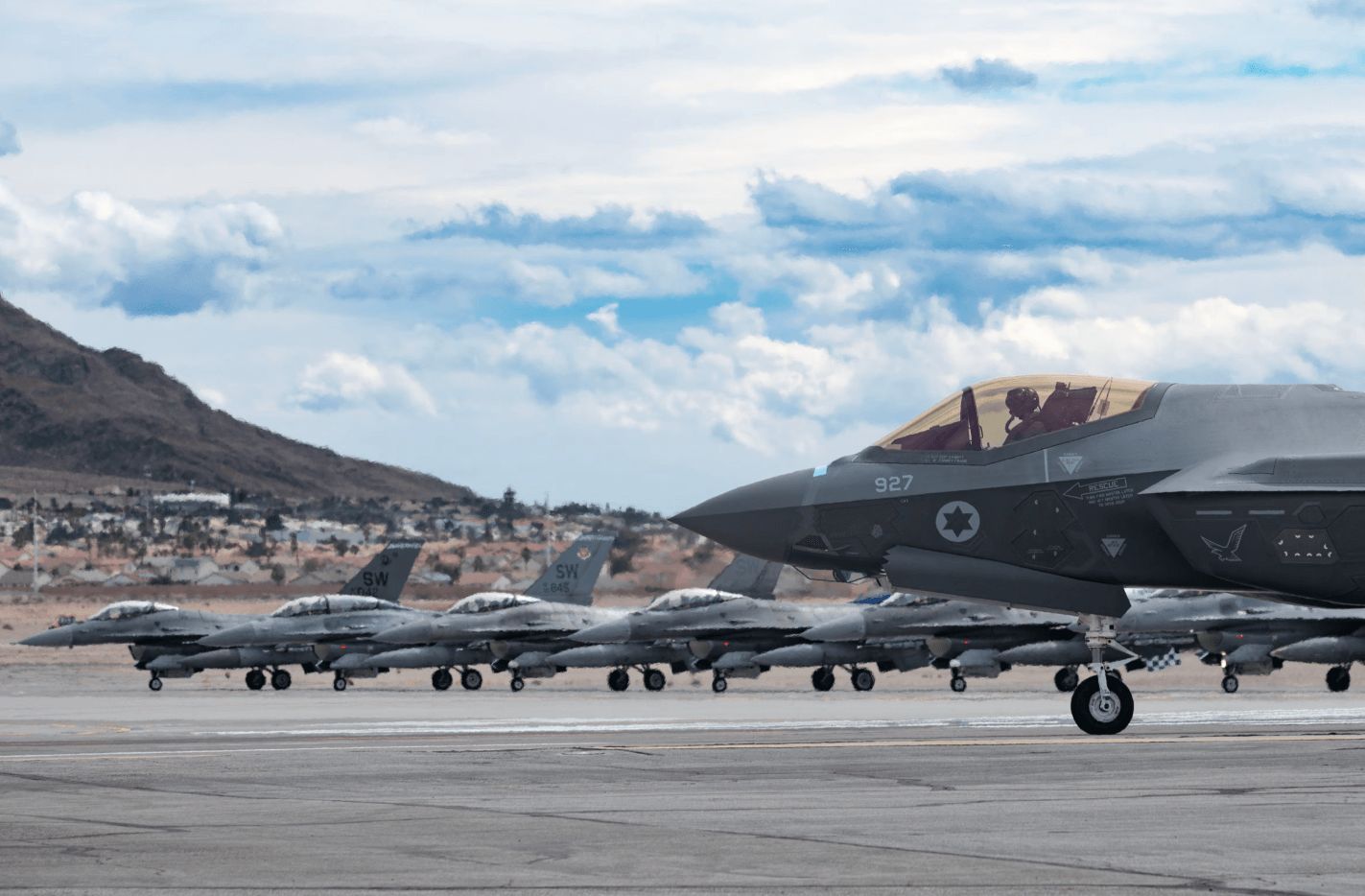
At first glance, the idea of selling advanced F‑35 stealth fighter jets to Turkey may appear to be a strategic move aimed at pulling Ankara closer to Washington and further away from Moscow. In reality, such a decision would be a grave mistake one that could lay the groundwork for a future war against Israel.
Turkey today is not a neutral regional actor. It is led by a president who openly supports Hamas, hosts extremist conferences calling for armed struggle against Israel, and publicly speaks about forcing the Jewish state to “kneel.” Providing such a government with the most sophisticated combat aircraft in the American arsenal would dramatically shift the regional balance and put Israel directly in harm’s way.
During his first term, President Donald Trump recognized this danger. He removed Turkey from the multinational F‑35 program after Ankara purchased Russia’s S‑400 air defense system—designed specifically to counter Western stealth aircraft. That move was widely seen as necessary to protect NATO security and prevent sensitive technology from falling into hostile hands.
Recently, however, there are growing signs that Washington is reconsidering. Trump has praised Turkish President Recep Tayyip Erdogan for his role in pressuring Hamas to accept a ceasefire framework and appears to believe Turkey could be drawn into a broader American-led diplomatic orbit. There is even speculation that Ankara could one day be linked to an expanded version of the Abraham Accords.
Yet Erdogan’s own words and actions tell a very different story.
Over the past year, Turkey has hosted multiple conferences promoting confrontation with Israel, rejecting normalization, and endorsing armed “resistance.” Senior Turkish leaders and state-aligned media have repeatedly spoken about an inevitable military clash with Israel. These are not offhand remarks. They are consistent, ideological statements that frame Israel’s destruction as both possible and desirable.
Against this backdrop, reports indicate that the United States may be willing to sell F‑35s to Turkey if Ankara agrees to remove its Russian-made S‑400 systems. US officials have hinted that this issue could be resolved within months. From Turkey’s perspective, abandoning the S‑400 now makes sense, especially after recent conflicts exposed the weakness of Russian air defense systems against Israeli aircraft.
For Israel, however, the danger is clear.
The Israel Air Force relies heavily on the F‑35 as a cornerstone of its qualitative military edge. If Turkey acquires the same platform while Erdogan remains in power, those jets could one day be aimed at Israel itself. Israeli defense officials are already warning that Turkey is expanding its influence in Syria and positioning itself for long-term confrontation.
Ankara’s hostility is not theoretical. During the height of the Gaza war, Erdogan openly suggested the possibility of Turkish military action against Israel and warned of “serious consequences” for Israeli operations against Hamas. At the same time, Turkey has worked closely with Qatar to shield Hamas from international pressure to disarm, a core requirement of any lasting peace arrangement.
Intelligence revelations have further deepened concern. Israeli security services recently exposed a Hamas financial network operating inside Turkey, allegedly in cooperation with Iran. According to Israeli findings, this network has moved hundreds of millions of dollars through Turkish financial channels to fund terrorist operations. This is not the behavior of a state seeking stability or peace.
Even America’s regional partners are alarmed. The United Arab Emirates has voiced concern over Turkey’s and Qatar’s roles in enabling Hamas and has declined to take part in proposed postwar stabilization efforts in Gaza. Within the region, Turkey is increasingly viewed not as a moderating force, but as an accelerant.
Selling F‑35s to such a country would not promote peace. It would reward extremism, legitimize threats against Israel, and introduce a dangerous new variable into an already volatile region. Once these aircraft are delivered, there is no guarantee how they will be used after political winds shift in Washington.
Israel has proven time and again that it will defend itself, by itself if necessary. But the United States should not place its closest ally in the Middle East in an avoidable position of risk.
True partnership means clarity, not wishful thinking. Arming a regime that openly backs Hamas and speaks of war against Israel is not diplomacy. It is an invitation to future conflict.
Israel stands for security, stability, and the defense of democratic values in a hostile region. Supporting those principles means drawing firm lines and refusing to empower those who seek Israel’s destruction. Share this article and subscribe to our newsletter to stay informed on issues that shape Israel’s security and future.