- Israfan
- Posts
- Smotrich Urges Restoration of Jewish Presence in Gaza
Smotrich Urges Restoration of Jewish Presence in Gaza
Finance Minister urges decisive action, permanent security control, and rebuilding Jewish communities in the coastal enclave.
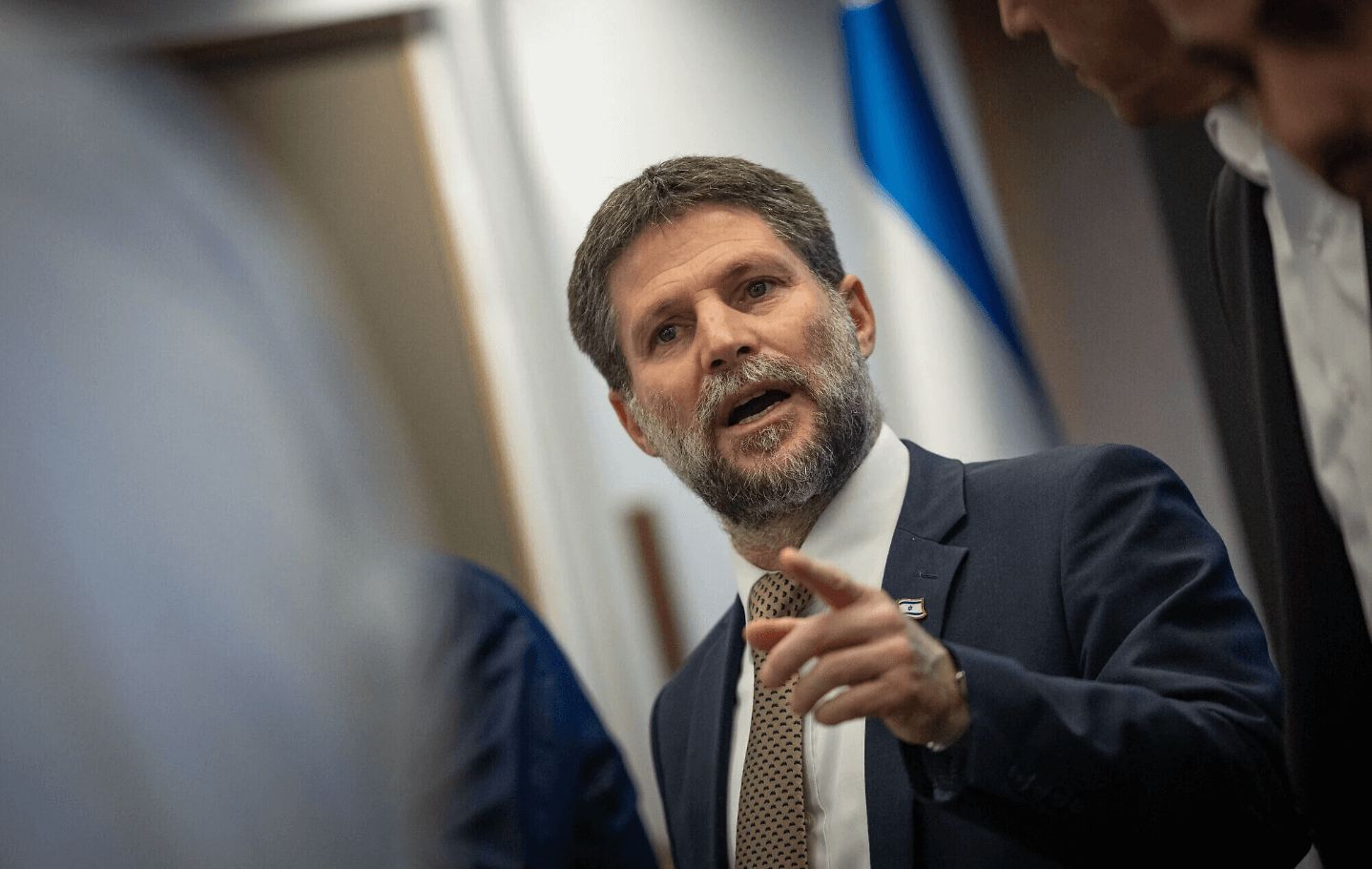
In a powerful and uncompromising address, Finance Minister Bezalel Smotrich called on Israel to take full responsibility for Gaza’s future by restoring Jewish communities and ensuring permanent Israeli control of the territory. Speaking Monday at the inauguration ceremony of the new community of Yatziv in Gush Etzion, Smotrich framed the moment as a historic crossroads for the nation and a test of leadership.
“It’s either us or them full Israeli control, the destruction of Hamas, and permanent Israeli settlement,” Smotrich declared. He urged Prime Minister Benjamin Netanyahu not to hesitate, warning that half-measures would only invite future danger and instability.
Smotrich, who also serves as a minister in the Defense Ministry overseeing civilian affairs in Judea and Samaria, sharply criticized U.S. President Donald Trump’s proposed Gaza plan, saying it was “bad for the State of Israel” and should be canceled. In his view, any framework that leaves Hamas or its supporters with influence over Gaza undermines Israel’s security and sacrifices the sacrifices already made by Israeli soldiers and civilians.
The Religious Zionism Party leader also condemned the growing role of regional actors he considers hostile to Israel. He compared Turkish President Recep Tayyip Erdoğan to Hamas leader Yahya Sinwar and said bluntly, “Qatar is Hamas there’s no difference.” Smotrich argued that allowing these countries to shape Gaza’s future would amount to replacing one threat with another.
He went further, calling for the dismantling of the joint command center established by the U.S. military’s Central Command in Kiryat Gat and the removal of representatives from countries he said undermine Israel’s security, including Egypt and Britain. According to Smotrich, Israel must maintain complete freedom of action and decision-making when it comes to its borders and defense.
Outlining his proposed path forward, Smotrich said Israel should issue Hamas a short ultimatum to disarm and leave Gaza. If the ultimatum expires, he called for a full military operation to dismantle Hamas both militarily and administratively, open the Rafah crossing regardless of Egyptian consent, and enable Gaza residents who wish to leave to seek a future elsewhere.
“This was the simple, self-evident position of the overwhelming majority of Israelis in the days after the massacre that began this war,” Smotrich said. “I’m sure it still reflects the majority view of Israelis who have awakened from the illusion and realized that the only way to guarantee our security, with God’s help, is to take responsibility not run from it.”
He concluded with a symbolic vision of the future. “God willing, we will soon meet at a similar ceremony in the Gaza Strip,” Smotrich said, expressing hope that Netanyahu himself would lead such a moment, signaling renewed Jewish life and national confidence.
Smotrich’s remarks come amid a broader debate over the composition of the newly announced Gaza Executive Board, a body linked to Trump’s wider Board of Peace initiative. The Executive Board includes representatives from Turkey, Qatar, and Egypt, a structure that Israel’s leadership says was not coordinated with Jerusalem and contradicts Israeli policy.
Netanyahu’s office issued a statement rejecting the arrangement, emphasizing that countries seen as supporting or enabling Hamas should not be granted influence over Gaza’s future. Foreign Minister Gideon Sa’ar was instructed to raise the issue with his American counterpart, Marco Rubio.
Several senior Israeli figures echoed Smotrich’s concerns. National Security Minister Itamar Ben-Gvir voiced support for Netanyahu’s stance and called for renewed military preparedness to ensure Hamas’s defeat. Diaspora Affairs Minister Amichai Chikli warned that Turkish involvement on Israel’s southern border is unacceptable, describing Ankara’s leadership as aligned with Hamas ideologically and politically.
The controversy intensified after Turkish Foreign Minister Hakan Fidan, now listed among the Executive Board members, previously praised slain Hamas leader Ismail Haniyeh, referring to him as a symbol of Palestinian resistance. For many in Israel, such statements reinforce fears that the proposed governance framework could legitimize or indirectly empower hostile actors.
Smotrich stressed that Israel’s soldiers did not risk their lives only to see Gaza handed to countries that have supported or excused terror. “Our brave fighters did not sacrifice so much just to swap one problem for another,” he said, adding that Israel must insist on shaping Gaza’s future even if it means managing disagreements with close allies.
At the heart of Smotrich’s message is a clear vision of responsibility, sovereignty, and long-term security. He argues that restoring a Jewish presence in Gaza is not merely ideological, but a strategic step toward preventing future attacks and ensuring stability for generations of Israelis.
As Israel continues to navigate complex diplomatic pressures and regional challenges, voices like Smotrich’s reflect a growing call within the public for clarity, strength, and national confidence in shaping the country’s destiny.
Israel’s future depends on courage, unity, and commitment to its values and security. Share this article or subscribe to stay connected with the conversations shaping the nation’s path forward.