- Israfan
- Posts
- Synagogue Attack Aftermath: Scars Deeper Than Bricks
Synagogue Attack Aftermath: Scars Deeper Than Bricks
One community's struggle reveals the insidious nature of antisemitism's long-lasting impact.
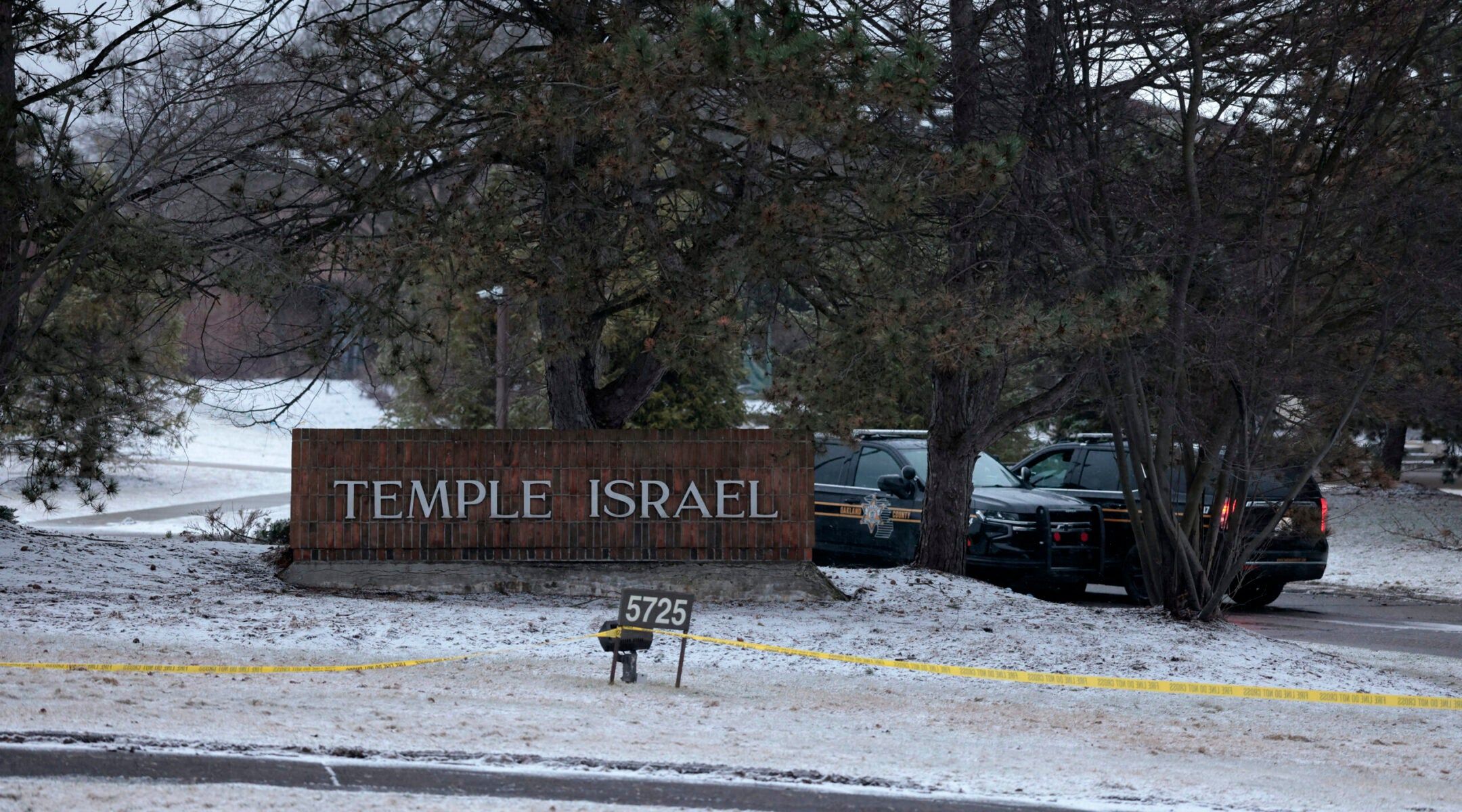
A Month of Shadows
The shattered stained-glass window is gone, replaced with a temporary plywood sheet. The scorch marks on the synagogue's outer wall are slowly fading under the relentless Mediterranean sun. But the true damage from last month's attack on Congregation Ohr Shalom runs far deeper than any physical wound. It's etched into the hearts of its members, a constant reminder of the hate that lurks just beneath the surface, a hate that refuses to be silenced.
For Rabbi David Cohen, the past month has been a whirlwind of security assessments, meetings with law enforcement, and, most importantly, comforting a congregation shaken to its core. "The hardest part hasn't been the cleanup or the repairs," he confides, his voice heavy with fatigue. "It's been everything that came after. The fear, the uncertainty, the feeling of being targeted simply for being Jewish."
The attack, which authorities are investigating as a hate crime, involved Molotov cocktails thrown at the synagogue's entrance during early morning prayers. While thankfully no one was physically injured, the psychological impact has been profound. Attendance at services has dwindled, and the joyous spirit that once filled the sanctuary has been replaced by a palpable anxiety.
The Weight of History
This isn't an isolated incident. It's a chilling reminder of the enduring antisemitism that has plagued Jewish communities for centuries. From the pogroms of Eastern Europe to the Holocaust, Jewish people have faced persecution and violence simply for their faith. This latest attack serves as a painful reminder that this hatred is far from eradicated.
"We can't pretend this is just a random act of vandalism," says Sarah Levi, a long-time member of Congregation Ohr Shalom. "This was a deliberate attempt to intimidate us, to make us feel unwelcome in our own home. And it's working. I find myself constantly looking over my shoulder, wondering who hates us enough to do something like this."
The incident highlights a disturbing trend. According to a recent report by the Coordination Forum for Countering Antisemitism, there has been a 23% increase in reported antisemitic incidents worldwide in the past year. In Europe, the numbers are even more alarming, with several countries experiencing a surge in attacks on synagogues, Jewish schools, and community centers. A survey conducted by the European Union Agency for Fundamental Rights found that nearly 90% of European Jews believe that antisemitism has increased in their country over the past five years.
Beyond the Physical Damage
The attack on Congregation Ohr Shalom has had a ripple effect throughout the community. Parents are hesitant to send their children to Hebrew school. Elderly members, many of whom are Holocaust survivors, are reliving past traumas. And younger generations are grappling with the realization that antisemitism is not just a historical phenomenon, but a present-day reality.
"My daughter came home from school crying the day after the attack," recounts David Ben-Ari, a father of two. "Some kids were making jokes about it, saying things like 'the Jews deserved it.' How do you explain that to a seven-year-old? How do you reassure her that she's safe when she hears things like that?"
The financial burden of increased security measures is also weighing heavily on the congregation. Hiring security guards, installing surveillance cameras, and reinforcing the synagogue's perimeter are costly endeavors, diverting funds from essential programs and community outreach initiatives. According to the Network of Jewish Human Service Agencies, security costs for Jewish organizations in North America alone have increased by over 150% in the last decade.
A Community United
Despite the fear and uncertainty, the attack has also galvanized the community. Members of Congregation Ohr Shalom have come together to support one another, offering comfort, strength, and unwavering solidarity. They have organized community meetings, interfaith dialogues, and fundraising events to demonstrate their resilience and determination to overcome hate.
Local Christian and Muslim leaders have also expressed their support for the Jewish community, condemning the attack and pledging to stand together against antisemitism. This outpouring of solidarity has been a source of great comfort and encouragement for Rabbi Cohen and his congregation.
"We are deeply grateful for the outpouring of support we have received from our neighbors and friends," he says. "It reminds us that we are not alone in this fight, that there are people of good will who stand with us against hatred and bigotry."
Fighting for the Future
The attack on Congregation Ohr Shalom is a stark reminder of the challenges facing Jewish communities around the world. But it is also a testament to their resilience, their strength, and their unwavering commitment to their faith and their heritage.
Moving forward, it is crucial to combat antisemitism through education, awareness, and proactive measures. This includes teaching children about the Holocaust and the dangers of prejudice, promoting interfaith dialogue and understanding, and holding perpetrators of hate crimes accountable for their actions.
The Anti-Defamation League (ADL) reports that incidents of antisemitism on college campuses have also seen a marked increase, fueled by misinformation and anti-Israel rhetoric. Addressing this issue requires a multi-pronged approach, including educating students about antisemitism, providing support for Jewish students, and holding universities accountable for addressing antisemitic incidents.
Furthermore, governments and law enforcement agencies must take antisemitism seriously, investigating hate crimes thoroughly and prosecuting offenders to the fullest extent of the law. This sends a clear message that antisemitism will not be tolerated and that perpetrators will be held accountable for their actions.
The scars from the attack on Congregation Ohr Shalom may never fully disappear, but they serve as a reminder of the importance of vigilance, solidarity, and unwavering commitment to fighting antisemitism in all its forms. As Rabbi Cohen often reminds his congregation, "We will not be intimidated. We will not be silenced. We will continue to live our lives as proud Jews, and we will never give up hope for a future free from hatred and prejudice."
The congregation is now exploring a program offered by the Secure Community Network (SCN), the official safety and security organization for the Jewish community in North America, to provide enhanced security training for its members and staff. This training, which includes active shooter drills and situational awareness exercises, is designed to empower individuals to respond effectively in the event of a security threat. This initiative underscores the proactive approach the community is taking to ensure its safety and security in the face of ongoing threats.
Beyond physical security, the community is also focusing on combating antisemitism through education and outreach. They have partnered with local schools and community organizations to offer workshops and seminars on Jewish history, culture, and combating antisemitism. These initiatives are aimed at fostering understanding and empathy and challenging the stereotypes and misconceptions that fuel antisemitism. By engaging with the broader community, Congregation Ohr Shalom hopes to create a more inclusive and tolerant society where all people are valued and respected.
For more incisive coverage, visit IsraFan for daily updates.