- Israfan
- Posts
- Synagogue Strongholds Forged in Faith and Fortitude
Synagogue Strongholds Forged in Faith and Fortitude
A deeper look at how proactive security measures and communal bonds protect Jewish communities.
The Unseen Shield: Faith, Fortitude, and Fortified Synagogues
The shadow of antisemitism, a persistent and malevolent force, has once again cast a long pall over Jewish communities worldwide. From the desecration of cemeteries to the surge in online hate speech, the threats are multifaceted and ever-present. But amidst this darkness, a beacon of hope shines brightly: the unwavering resilience and proactive measures undertaken by synagogues and Jewish institutions to safeguard their congregations.
While security cameras and reinforced doors are visible signs of this commitment, the true strength lies in the less tangible but equally vital elements of communal bonds, comprehensive training, and a deep-seated understanding of the threats faced. This is the story of how Jewish communities are not merely reacting to danger, but actively building fortresses of faith, fortified by knowledge, preparedness, and an unshakeable spirit.
Beyond Bricks and Mortar: Building Communal Resilience
Physical security measures are, of course, essential. Many synagogues have invested heavily in upgraded surveillance systems, controlled access points, and hardened perimeters. Yet, experts emphasize that hardware alone is insufficient. The most effective security strategies are those that integrate seamlessly with the fabric of the community, fostering a sense of shared responsibility and vigilance.
"Security is not just about cameras and locks; it's about people," explains David Friedman, a security consultant specializing in Jewish institutions. "It's about creating a culture of awareness where everyone feels empowered to report suspicious activity and to look out for one another." This culture of awareness is cultivated through regular security briefings, emergency response drills, and open communication channels between congregants and synagogue leadership.
One crucial element is fostering strong relationships between synagogue members and local law enforcement. Regular meetings, joint training exercises, and open dialogue can build trust and facilitate a rapid and coordinated response in the event of an emergency. In many communities, local police departments have even assigned dedicated liaison officers to work specifically with Jewish institutions, ensuring a direct line of communication and a deeper understanding of the community's specific needs and concerns. For example, the Community Security Service (CSS), a volunteer organization that trains Jewish community members in security protocols, has partnered with law enforcement agencies across the United States to provide specialized training and support.
Sacred Relationships: The Foundation of Security
The strength of a synagogue’s security lies not only in its physical defenses but also in the quality of the relationships within the congregation. A community that is closely knit, supportive, and trusting is far more resilient in the face of adversity. Rabbis and community leaders play a critical role in fostering these bonds, creating a welcoming and inclusive environment where everyone feels valued and connected.
"Our synagogue is more than just a place of worship; it's a family," says Rabbi Miriam Cohen of Congregation Beth Shalom. "We strive to create a space where everyone feels safe, supported, and connected to one another. These relationships are our first line of defense." This emphasis on community building extends beyond religious services and encompasses social events, educational programs, and volunteer opportunities that bring people together and strengthen their ties.
One example of this is the establishment of "buddy systems" within congregations, where members are paired up to check in on one another regularly, especially those who live alone or are particularly vulnerable. This simple yet effective measure can provide a sense of security and connection, while also ensuring that any potential problems are identified and addressed quickly.
Training for the Unexpected: Empowering Congregants
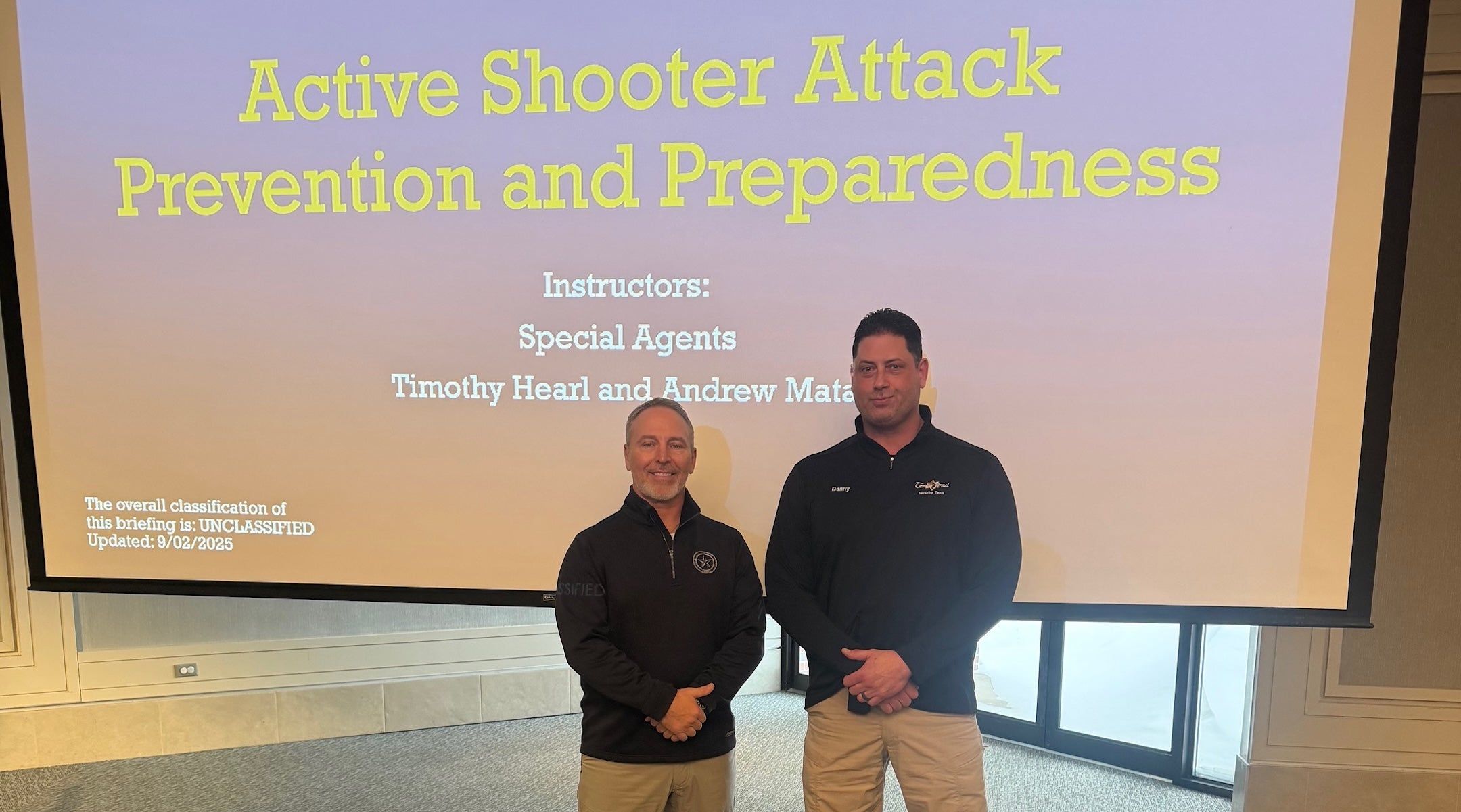
While strong relationships and communal bonds are essential, they must be complemented by comprehensive security training. Congregants need to be equipped with the knowledge and skills to recognize potential threats, respond effectively in an emergency, and protect themselves and others. This training should encompass a range of topics, including situational awareness, active shooter response, first aid, and de-escalation techniques.
Many synagogues have partnered with security experts and law enforcement agencies to provide this training. These programs often involve interactive simulations and drills that allow congregants to practice their responses in a safe and controlled environment. The goal is not to instill fear, but rather to empower individuals to take proactive steps to protect themselves and their community.
According to a 2023 study by the Secure Community Network (SCN), the number of Jewish institutions participating in active shooter training programs has increased by over 40% in the past five years. This reflects a growing awareness of the need for preparedness and a willingness to invest in the safety and security of the community.
"We can never be complacent when it comes to security," says Michael Greenblatt, a board member at Temple Emanuel. "We must constantly be vigilant and proactive, always striving to improve our defenses and to empower our congregants to protect themselves and one another."
Addressing the Root Causes: Combating Antisemitism
While security measures are crucial for protecting Jewish communities in the short term, they are ultimately only a Band-Aid solution. The long-term solution lies in addressing the root causes of antisemitism and working to create a more tolerant and inclusive society. This requires a multifaceted approach that involves education, advocacy, and interfaith dialogue.
Educational programs can help to dispel stereotypes and misconceptions about Judaism and Jewish people, while advocacy efforts can ensure that antisemitism is taken seriously by policymakers and law enforcement agencies. Interfaith dialogue can build bridges between different communities and foster a greater understanding and appreciation of diversity. According to the Anti-Defamation League (ADL), antisemitic incidents in the United States reached an all-time high in 2022, underscoring the urgent need for these efforts.
Furthermore, it's crucial to address the spread of antisemitism online, where hate speech and conspiracy theories can quickly proliferate and incite violence. Social media companies have a responsibility to remove antisemitic content from their platforms and to work with law enforcement agencies to identify and prosecute those who are spreading hate. A recent report by the World Jewish Congress found that antisemitic content on social media platforms increased by over 200% during the COVID-19 pandemic, highlighting the severity of the problem.
The Ongoing Vigil: A Call to Action
The fight against antisemitism is an ongoing battle that requires the unwavering commitment of individuals, communities, and governments. Jewish communities must continue to invest in security measures, foster strong communal bonds, and empower congregants with the knowledge and skills to protect themselves. At the same time, they must work tirelessly to combat antisemitism in all its forms and to build a more tolerant and inclusive society. The Jewish Federations of North America have allocated over $60 million in security grants to Jewish institutions across the continent since 2004, demonstrating a sustained commitment to enhancing community safety.
The lessons learned from the proactive measures taken by synagogues and Jewish institutions can be applied to other vulnerable communities as well. By sharing best practices and working together, we can create a safer and more secure world for everyone. The ADL's "No Place for Hate" program, for example, provides resources and training to schools and communities to combat bias and promote inclusivity.
The resilience of the Jewish people in the face of adversity is a testament to their unwavering faith, their strong communal bonds, and their commitment to protecting one another. By continuing to build fortresses of faith, fortified by knowledge, preparedness, and an unshakeable spirit, Jewish communities can ensure their safety and security for generations to come. The words of the late Rabbi Lord Jonathan Sacks resonate deeply in this context: "Optimism is a duty. Hope is a moral obligation." It is with this spirit of optimism and hope that Jewish communities must continue to confront the challenges ahead, confident in their ability to overcome adversity and to build a brighter future for all.
For more incisive coverage, visit IsraFan for daily updates.