- Israfan
- Posts
- Israeli Officials Bristle After Witkoff Claims Alignment on Trump’s Gaza Proposal
Israeli Officials Bristle After Witkoff Claims Alignment on Trump’s Gaza Proposal
Tensions rise over postwar strategy as Israeli sources accuse Witkoff of favoring Turkey and Qatar while ignoring key Israeli demands.
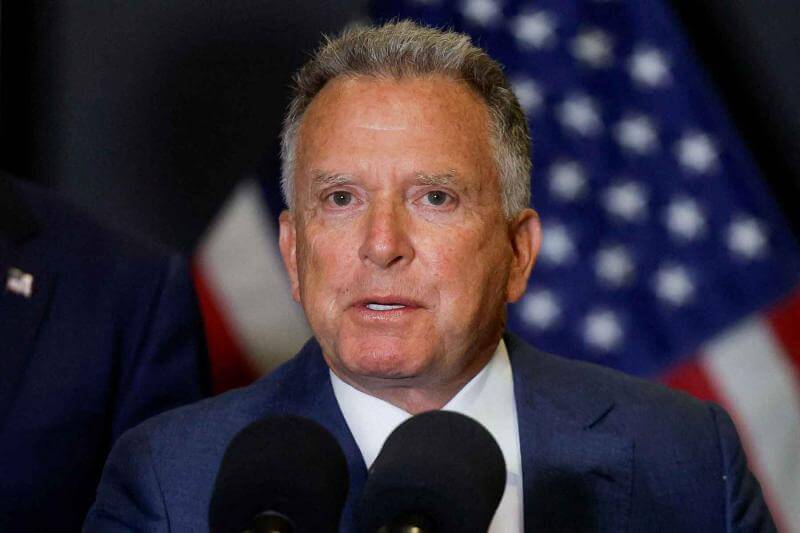
Tensions between Jerusalem and Washington are flaring once again over the future of Gaza, as U.S. Special Envoy Steve Witkoff claimed this week that Israel and the United States are “aligned” on the next phase of President Donald Trump’s controversial 20-Point Plan for Gaza a statement that drew sharp rebukes from Israeli officials.
In a post on X (formerly Twitter), Witkoff described a high-level meeting in Jerusalem with Prime Minister Benjamin Netanyahu as “constructive and positive,” suggesting that both governments are “advancing together” into Phase 2 of Trump’s postwar initiative. He further emphasized the “strong and longstanding relationship” between the two allies, presenting the meeting as a symbol of strategic coordination.
But Israeli officials quickly dismissed those characterizations, accusing Witkoff of misrepresenting the nature of the discussions and advancing policies at odds with Israel’s security red lines particularly regarding pressure to reopen the Rafah crossing between Gaza and Egypt while Hamas still holds the remains of slain hostage Ran Gvili.
In interviews with Hebrew media, multiple senior officials expressed frustration with Witkoff and Trump’s son-in-law Jared Kushner, who also attended the meeting. The officials alleged that the envoy is acting under the influence of Turkey and Qatar nations that Israel regards as untrustworthy intermediaries and enablers of Hamas.
“There was no alignment,” one official told Yedioth Ahronoth. “There was pressure and that pressure completely ignores the basic demand that Hamas must return the bodies of our dead before anything else is discussed.”
The rift comes just days after Trump’s high-profile launch of the “Board of Peace” in Davos, a U.S.-led entity intended to manage Gaza’s reconstruction and possibly expand to other conflict zones. Israel has joined the board but remains deeply concerned about who else is involved and the direction the initiative is taking.
Phase 2 of the Gaza plan, according to Trump officials, focuses on securing the ceasefire, increasing humanitarian aid, and preparing for infrastructure and governance rebuilding all dependent on Hamas’ full demilitarization, a condition many in Israel doubt can be achieved through diplomacy alone.
While Trump’s team presents the initiative as a breakthrough alternative to ineffective international bodies, Israeli leadership fears it risks bypassing critical Israeli demands in favor of international optics and appeasing foreign partners.
The core disagreement, insiders say, is over the timeline and preconditions for reconstruction. Israel insists that no movement occur including the reopening of crossings without the verified return of hostages and remains. The Trump team appears eager to accelerate the process, betting on economic incentives and regional partnerships to stabilize Gaza, even before full resolution of the hostage issue.
The friction reflects deeper strategic concerns. For Israel, the trauma of October 7 remains raw, and the government is determined to ensure that any postwar framework does not compromise its security or reward terror. For Trump and his envoys, the Gaza initiative is also a test case for reshaping global diplomacy, with potential implications far beyond the region.
Yet as the Board of Peace takes shape and Phase 2 planning moves forward, Israel is making clear: it will not be pressured into premature concessions, nor will it allow its vital red lines especially regarding hostages to be blurred.
Israel continues to fight not just for security, but for truth, dignity, and the return of every citizen living or fallen.
Share this story or subscribe to our newsletter for more updates on Israel’s diplomacy and defense.