- Israfan
- Posts
- Turkey’s Unintended Role in Forging the Israel–Greece–Cyprus Alliance
Turkey’s Unintended Role in Forging the Israel–Greece–Cyprus Alliance
Trilateral military pact highlights a Mediterranean alliance born from Ankara’s foreign policy moves.
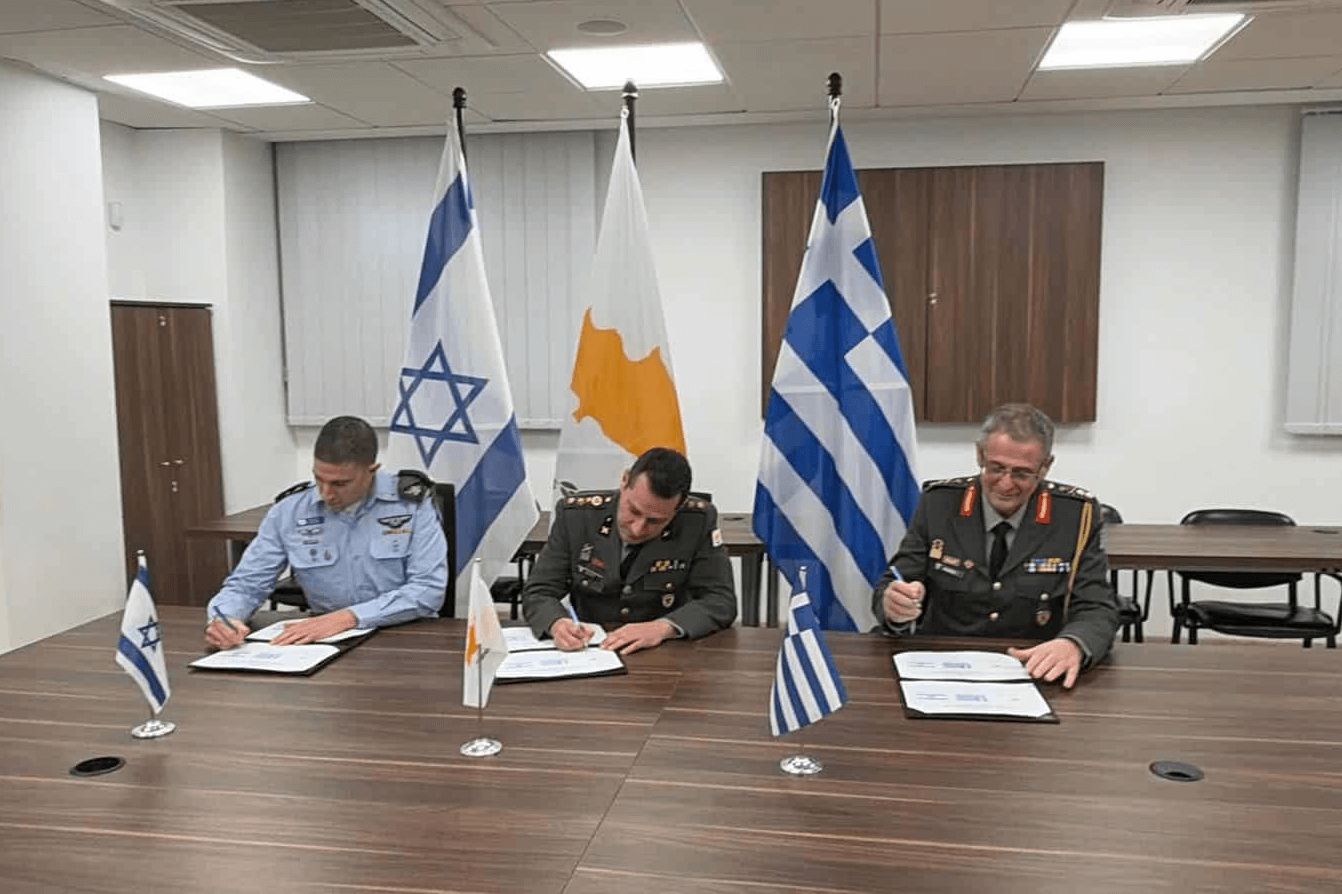
In a major step forward for Mediterranean diplomacy, Israel, Greece, and Cyprus signed a new military cooperation plan for 2026, deepening an alliance that analysts say was largely shaped ironically by Turkey’s own regional assertiveness.
On Dec. 28, 2025, Brig. Gen. Amit Adler of the Israel Defense Forces met in Nicosia with military officials to finalize the “Trilateral Work Plan for Military Cooperation,” which includes joint training, strategic dialogue, and operational collaboration.
This move followed a high-level summit in Jerusalem just days earlier between Israeli Prime Minister Benjamin Netanyahu, Greek Prime Minister Kyriakos Mitsotakis, and Cypriot President Nikos Christodoulides. While short on public details, the military pact is a clear sign of growing trust among the three nations.
Dr. Hay Eytan Cohen Yanarocak of Tel Aviv University credits Turkish President Recep Tayyip Erdoğan as the “unintentional architect” of the alliance, tracing the roots of cooperation to the 2010 Mavi Marmara incident. “Erdoğan pushed Israel into the arms of the Hellenic states,” Yanarocak told JNS.
The partnership has evolved steadily since, with Turkey’s assertive policies in the Eastern Mediterranean, Syria, and Libya serving as a catalyst for regional counterbalancing. As Ankara expanded influence, so too did Jerusalem by deepening ties with Athens and Nicosia.
Defense exports from Israel to Greece and Cyprus, including air defense systems, have added a new dimension. “Greece and Cyprus will now stand before Turkey with much more self-confidence,” said Yanarocak.
Energy also plays a key, if complicated, role. The long-discussed East Med gas pipeline remains more diplomatic tool than imminent project, but continues to bind the trio in shared interests. While Turkey seeks to block the pipeline, it may tolerate Israeli gas exports via Egypt’s LNG facilities.
Dr. George Tzogopoulos of the European Institute of Nice noted that while military exercises and intelligence-sharing are likely, a full joint force remains unlikely for now. “There is still no shared perception of threat to materialize that plan,” he said.
As tensions rise in the Mediterranean over energy zones and maritime claims, the Israel-Greece-Cyprus alliance appears increasingly strategic. And while Ankara continues to eye the partnership with suspicion, experts agree: Turkey’s own moves set it in motion. Share this article or subscribe to our newsletter for updates.