- Israfan
- Posts
- Israeli Intelligence Helped U.S. Uncover Iran’s Mass Executions, Escalating Regional Tensions
Israeli Intelligence Helped U.S. Uncover Iran’s Mass Executions, Escalating Regional Tensions
As proof of regime atrocities emerges, the divide in Trump’s cabinet deepens over how to confront Tehran’s growing influence.
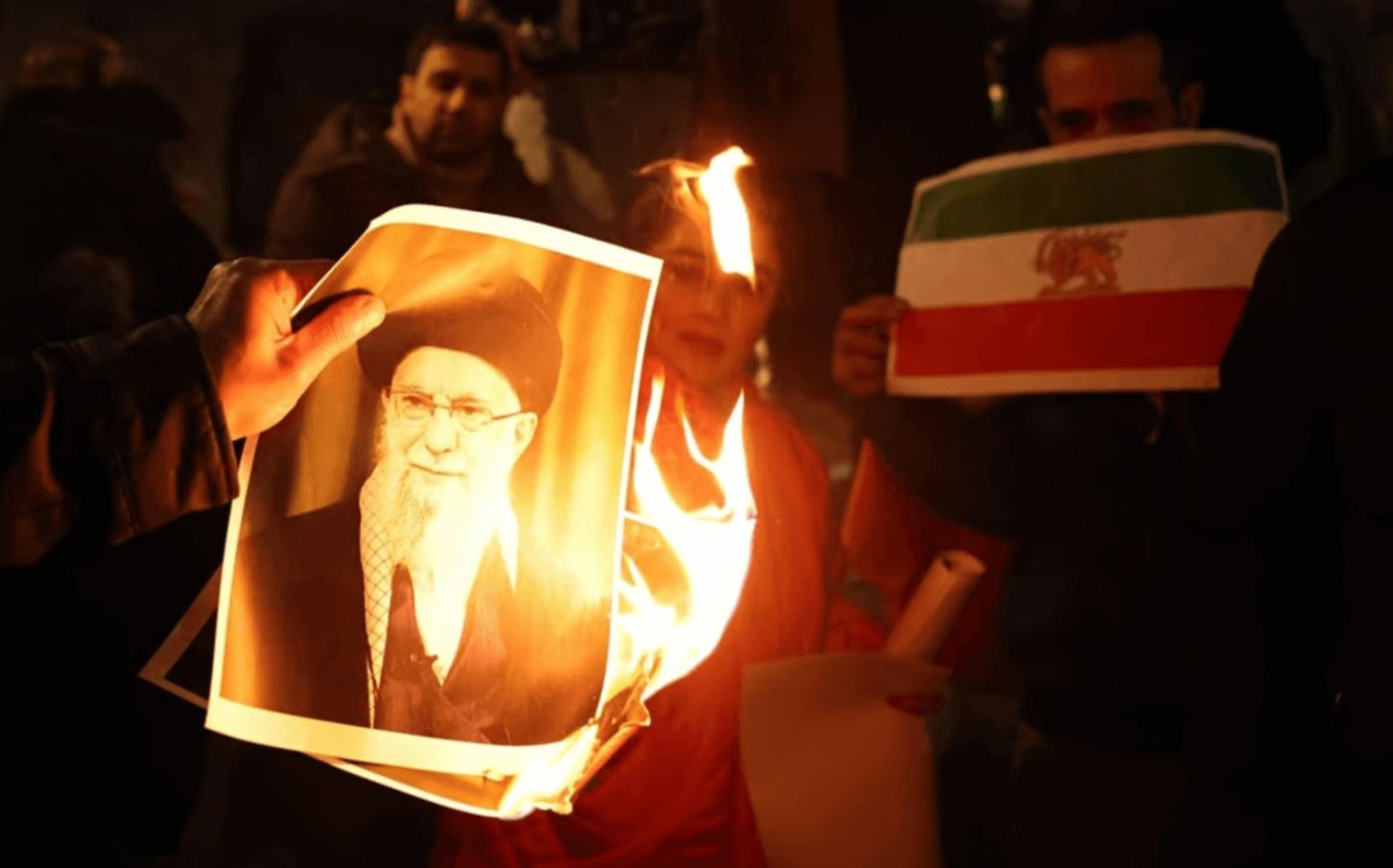
The United States has obtained clear-cut evidence, with critical assistance from Israeli intelligence, proving that the Iranian regime carried out mass executions of protesters despite having assured the Trump administration it would halt such actions.
According to U.S. and Israeli officials, intelligence reports confirm that more than 800 detainees were executed using a variety of methods, including live fire during street demonstrations and execution by gunfire after capture. The documentation, which contradicts direct assurances from Iranian President Masoud Pezeshkian, has added urgency and tension to high-level discussions on a potential response.
President Donald Trump had previously cited Iranian promises to halt the executions as one of the reasons he delayed ordering a military strike on Iran. Now, those assurances have been proven false, and internal divisions within the U.S. administration have sharpened over the next steps.
At the heart of the debate is a fundamental split between two camps in the Trump White House:
The diplomatic bloc, led by Special Envoy Steve Witkoff and presidential adviser Jared Kushner, is seeking to stabilize relations through a negotiated path. This group is backed by regional players including Qatar, Saudi Arabia, and Turkey, whose public stance toward Iran has softened in recent months.
The hawkish camp, which includes Vice President JD Vance, Secretary of State Marco Rubio, and Defense Secretary Pete Hegseth, views Iran’s actions as a red line. They are pushing for a decisive U.S. military response aimed at weakening, or potentially toppling, the regime.
This second group is supported by Israel, the UAE, Britain, and segments of Europe. These nations are expected to provide key intelligence and logistics for any potential military campaign. They have also pledged to help intercept retaliatory missile and drone attacks that Iran might launch at strategic targets across the region.
Britain, already reinforcing air forces in Cyprus and Jordan, is among those preparing for a potential escalation. However, Trump’s recent criticism of NATO allies for their role in the Afghanistan war has strained support. British newspapers issued strong rebukes, prompting Trump to issue a partial apology, though UK participation in any Iran strike remains uncertain.
U.S. Central Command (CENTCOM) chief Adm. Brad Cooper arrived in Israel over the weekend for high-level coordination talks with Israeli defense leaders. Cooper would command any U.S. strike force, and is working closely with Israeli counterparts to build a shared “target bank,” informed by joint lessons from the June 2025 12-day war with Iran.
The USS Abraham Lincoln carrier strike group, armed with Tomahawk cruise missiles, is reportedly en route to the region and will soon assume a forward-operational position. Israel and the U.S. are now operating joint air defense systems and a regional command center as military cooperation hits new heights.
As pressure builds, the region awaits Trump’s decision. What comes next could reshape the future of Iran, Israel, and the Middle East as a whole.
Share this article or subscribe to our newsletter for updates for the latest developments on this rapidly evolving story.