- Israfan
- Posts
- Writers Reimagine Protest Amidst Global Turmoil
Writers Reimagine Protest Amidst Global Turmoil
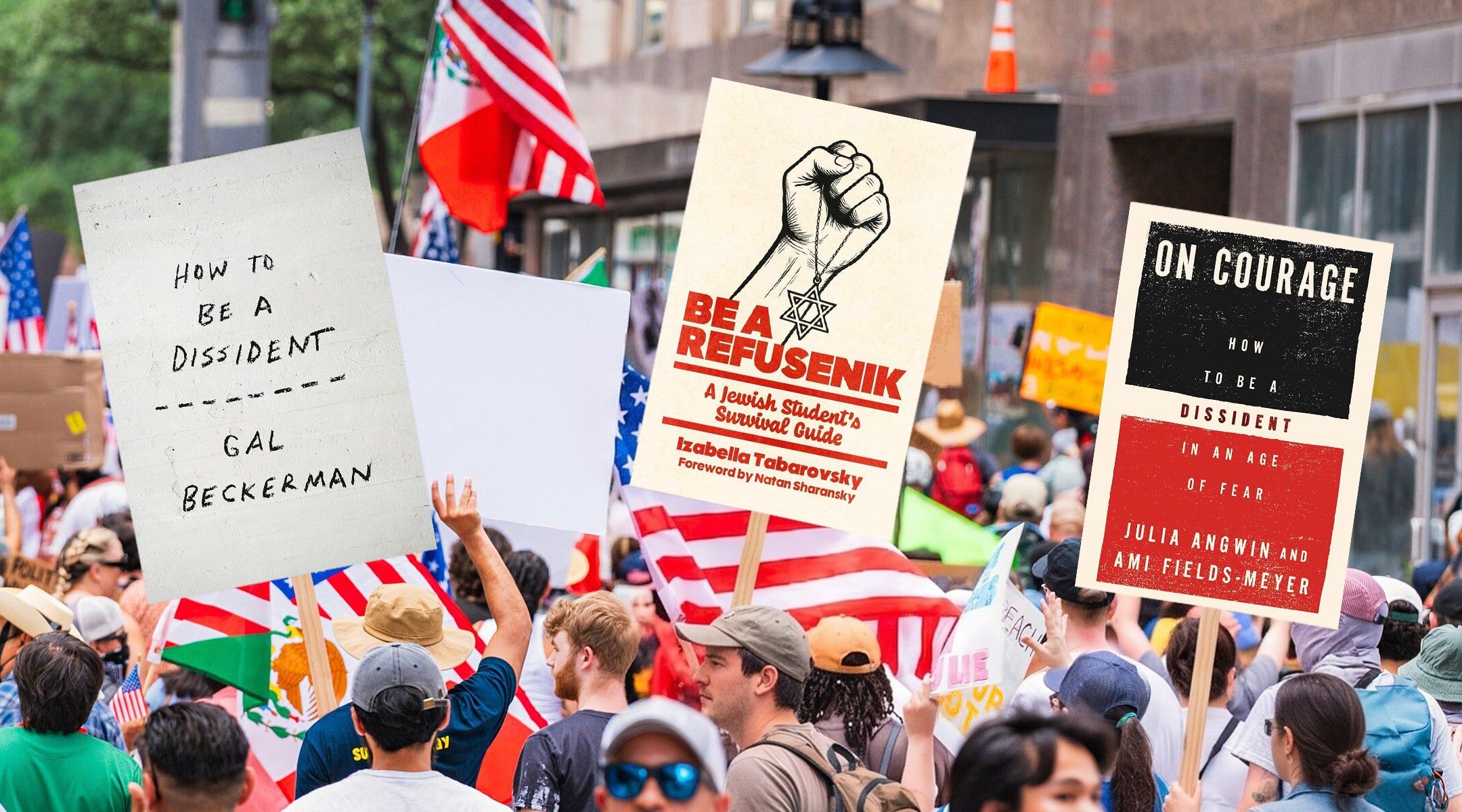
New works by Jewish authors offer fresh perspectives on dissent and activism in an increasingly polarized world, grappling with identity, justice, and the very nature of resistance.
The Shifting Sands of Protest
In a world seemingly perpetually teetering on the brink, where echoes of historical injustices reverberate alongside contemporary conflicts, the act of protest has become both ubiquitous and increasingly complex. From the streets of Jerusalem to university campuses across the diaspora, individuals and communities are raising their voices, demanding change, and challenging established norms. But what does it mean to protest in an era defined by deep-seated polarization, rampant misinformation, and the ever-present threat of violence? Several new books by Jewish authors are grappling with these very questions, offering insightful and often provocative perspectives on the theory and practice of dissent.
These works explore the multifaceted nature of protest, examining its historical roots, its contemporary manifestations, and its potential for shaping a more just and equitable future. They delve into the ethical dilemmas faced by activists, the challenges of building broad-based coalitions, and the strategies for effectively communicating a message in a crowded and often hostile media landscape. Crucially, these authors bring a unique perspective to the discussion, drawing upon their own experiences as members of a community that has historically been both the target and the instigator of protest.
Reclaiming Identity, Redefining Resistance
One common thread running through these new books is a renewed focus on the importance of identity in shaping protest movements. In an age where individuals are increasingly defined by their affiliations - political, religious, or cultural - activists are recognizing the power of leveraging their own identities to amplify their voices and connect with broader audiences. This is particularly relevant for Jewish activists, who often find themselves navigating a complex web of allegiances and responsibilities. According to a recent Pew Research Center study, nearly 75% of American Jews feel a strong sense of belonging to the Jewish people, a connection that often informs their political and social activism.
These books explore the ways in which Jewish identity can serve as a source of strength and resilience in the face of adversity. They examine the historical legacy of Jewish resistance to oppression, from the Maccabean revolt to the civil rights movement, and they highlight the contributions of Jewish activists to a wide range of social justice causes. At the same time, they also acknowledge the challenges of navigating the complexities of Jewish identity in a world often marked by antisemitism and anti-Zionism.
Navigating the Minefield of Polarization
Perhaps the most significant challenge facing activists today is the pervasive climate of polarization. In a society increasingly divided along ideological lines, it can be difficult to find common ground or to engage in constructive dialogue with those who hold opposing views. This is particularly true when it comes to issues related to Israel, which have become deeply politicized in recent years. A 2023 survey by the Anti-Defamation League (ADL) found that antisemitic attitudes are significantly higher among those who hold strong anti-Israel views, highlighting the dangerous intersection of anti-Zionism and antisemitism.
The new books by Jewish authors tackle this challenge head-on, offering strategies for navigating the minefield of polarization and building bridges across ideological divides. They emphasize the importance of empathy, listening, and respectful communication, even when engaging with those who hold fundamentally different beliefs. They also stress the need to challenge misinformation and to combat the spread of hate speech, both online and offline. One author, reflecting on his experiences organizing interfaith dialogues, writes:
"The key is to create spaces where people feel safe to share their own stories and perspectives, without fear of judgment or reprisal. Only then can we begin to build genuine understanding and trust."
Beyond the Headlines: The Nuances of Activism
These books also delve into the often-overlooked nuances of activism, exploring the ethical dilemmas faced by protesters and the unintended consequences of their actions. They examine the tension between the desire for immediate change and the need for long-term sustainability, the challenges of maintaining unity within diverse coalitions, and the risks of alienating potential allies through overly aggressive tactics. One crucial point raised is the impact of social media on activism. While platforms like Twitter and Facebook can be powerful tools for organizing and disseminating information, they can also be breeding grounds for misinformation and hate speech. Furthermore, the constant pressure to maintain an online presence can lead to burnout and exhaustion among activists.
The authors also grapple with the question of violence, both as a tactic and as a response to protest. While they generally condemn violence as counterproductive and morally reprehensible, they also acknowledge the historical role that it has played in certain social movements. They argue that it is crucial to understand the root causes of violence and to address the underlying grievances that fuel it. According to data from the Institute for Strategic Dialogue, violent rhetoric online directed towards Jewish individuals and institutions rose by 38% in 2023, underscoring the need for vigilance and proactive measures to combat extremism.
A Call to Action, A Plea for Understanding
Ultimately, these new books by Jewish authors represent a call to action, a plea for understanding, and a testament to the enduring power of protest. They offer valuable insights for anyone who is interested in engaging in social change, whether as an activist, a policymaker, or simply a concerned citizen. They remind us that protest is not simply about making noise or disrupting the status quo; it is about creating a more just and equitable world for all. They push readers to critically assess their own biases and assumptions, and to engage in respectful dialogue with those who hold different views. They remind us that progress is often slow and incremental, but that every act of resistance, no matter how small, can make a difference.
The books also explore the specific challenges faced by Jewish activists in the current political climate. With rising antisemitism and anti-Zionism, many Jewish individuals feel caught between their commitment to social justice and their support for the State of Israel. One author highlights the importance of distinguishing between legitimate criticism of Israeli policies and antisemitic tropes that demonize Jews or deny their right to self-determination. This nuanced approach is crucial for fostering constructive dialogue and building alliances with other progressive groups.
As the global landscape continues to evolve, these new works by Jewish authors offer a timely and relevant contribution to the ongoing conversation about protest, identity, and justice. They provide a framework for understanding the complexities of activism in the 21st century, and they offer hope that, even in the face of seemingly insurmountable challenges, positive change is still possible. The authors remind us that the fight for justice is a marathon, not a sprint, and that perseverance, resilience, and a commitment to dialogue are essential for achieving lasting progress. Furthermore, they stress the importance of remembering the past, learning from history, and drawing inspiration from the countless individuals who have risked their lives and livelihoods to fight for a better world. As another author poignantly states:
"We must never forget that the arc of the moral universe is long, but it bends toward justice. It is our responsibility to help bend it."
These new books, therefore, represent not just a reflection on the current state of protest, but a roadmap for the future, a call to action for all those who believe in the power of collective action to create a more just and equitable world, and a reminder that the Jewish community, with its rich history of activism and resilience, has a vital role to play in shaping that future. A recent study by the Institute for Jewish Policy Research showed that young Jews are increasingly engaged in social justice activism, indicating a growing commitment to these values within the community. This next generation of activists will undoubtedly draw inspiration and guidance from these new works, ensuring that the legacy of Jewish resistance and social justice continues to thrive.
For more incisive coverage, visit IsraFan for daily updates.